Oslo fine dining: Michelin restaurants, costs, and what to book
Oslo: the taste of Oslo food tour
Duration: 4 hours
- Tastings included
- Small group
Which Oslo restaurants have Michelin stars?
As of 2026, Maaemo leads with three Michelin stars. Multiple Oslo restaurants hold one or two stars including Kontrast, Statholdergaarden, and Hoestokk. Tasting menus at three-star Maaemo start at NOK 2,700 to 3,200 ($290–344) per person before drinks. Two-star restaurants run NOK 1,800–2,400 ($194–258). One-star options start around NOK 1,200 ($129).
Oslo’s place on the world fine-dining map
Ten years ago, asking for Oslo’s best fine-dining restaurants would have prompted a list of solid French-influenced hotel restaurants and one or two ambitious Scandinavian places that were doing interesting things. The picture in 2026 is completely different. Oslo has become one of Europe’s most significant fine-dining cities, shaped by the New Nordic movement that first emerged in Copenhagen and found particularly fertile ground in Norway’s exceptional local ingredients.
The keystone is Maaemo, which holds three Michelin stars and is regularly cited alongside Noma, El Celler de Can Roca, and the Fat Duck in discussions of the world’s most interesting restaurants. But the Michelin presence extends down through multiple starred restaurants and a dense constellation of ambitious smaller places that show the same principles at more accessible prices.
This guide covers the Oslo fine-dining scene honestly — what the experience is like, what it costs, and whether the extraordinary prices are justified.
| Where | Bjørvika (Maaemo), city centre (Kontrast, Statholdergaarden) |
| Cost | Around NOK 950–3,200 (USD 102–344) per person, tasting menu only |
| Time needed | 2–4 hours for a full tasting menu |
| Booking | Maaemo: 2–3 months ahead; one-star options: 1–2 weeks |
| Best time | Weekday dinners are easier to book than weekends |
Maaemo: the flagship
Address: Schweigaards gate 15, Bjørvika (east of the Opera House).
Maaemo (which means “Mother Earth” in Old Norse) has held three Michelin stars since 2016 and has been consistently among Norway’s — and arguably Europe’s — most discussed restaurants since its opening. Chef Esben Holmboe Bang’s approach is rigorous: a tasting menu built entirely from Norwegian ingredients, many of them wild or from small-scale Norwegian producers, with techniques that lean heavily on Norway’s traditional preservation methods — fermentation, smoking, curing, drying.
A dinner at Maaemo is not a meal in any conventional sense. It runs three to four hours, covers 20 or more courses, and tells a story about Norwegian food culture through ingredients you likely haven’t encountered before: cloudberry cream, fresh sea urchin from the Norwegian coast, cured reindeer heart, brown butter from mountain-grazing cows, wild herbs from Oslofjord islands.
Price: The tasting menu runs approximately NOK 2,700 to 3,200 ($290–344) per person for food. Wine pairing adds NOK 1,800 to 2,500 ($194–268) per person. A full dinner for two with drinks can reach NOK 9,000 to 12,000 ($968–1,290).
Booking: Reservations open months in advance on the restaurant’s website. Weekend slots are extremely competitive. Check the site monthly for cancellations if you can’t get a reservation on release day. Dietary requirements can typically be accommodated with advance notice.
Practical details: Jacket optional. The address is in Bjørvika, a 10-minute walk from Oslo Central Station or a short taxi from anywhere in the centre. The interior was redesigned in 2020 and is deliberately warm and non-intimidating for a three-star environment.
Is it worth it? For serious food enthusiasts: emphatically yes. For people who don’t think much about food normally: probably not at this price. Maaemo is a singular experience that uses Norway’s exceptional ingredients in a way that no other restaurant does. But it requires genuine interest in food to justify the cost.
Kontrast: two stars, slightly more accessible
Address: Mariboes gate 7, city centre.
Kontrast is the two-star establishment that many Oslo food lovers consider Maaemo’s closest rival in terms of quality, with a slightly less formal atmosphere and a slightly lower price point. Chef Magnus Ek runs a similar philosophy — seasonal Norwegian ingredients, modern technique, a genuine narrative through the menu — but with a warmer, less austere energy.
The tasting menu runs approximately NOK 1,600 to 2,000 ($172–215) per person for food. Wine pairing adds NOK 1,200 to 1,600 ($129–172). A full dinner for two with pairing: NOK 5,600 to 7,200 ($602–774).
Booking is easier than Maaemo — three to six weeks ahead is usually sufficient for weekend slots.
Statholdergaarden: history and elegance
Address: Rådhusgata 11, city centre.
One of Oslo’s oldest and most elegant fine-dining restaurants, operating in a building from the 1600s in the historic city centre. The approach here is more classical than New Nordic — French technique applied to Norwegian ingredients, with a tasting menu that emphasises luxury produce (langoustine, Håvard lobster, aged Norwegian beef) alongside seasonal vegetables.
Tasting menu approximately NOK 1,400 to 1,800 ($151–194) per person. Two Michelin stars (verify current status — the star count has been consistent but confirm before booking).
The physical space — candlelit rooms, stone walls, oil paintings — is the most classically romantic fine-dining environment in Oslo.
The one-star and near-star tier
Oslo has a number of one-Michelin-star restaurants and several Bib Gourmand designations that offer the quality without the three-figure price tags:
Katla (Nedre Slottsgate 3): One star, seasonal Norwegian with a lighter, brighter style than the heavier tasting-menu experiences. Approximately NOK 950 to 1,200 ($102–129) for the tasting menu per person.
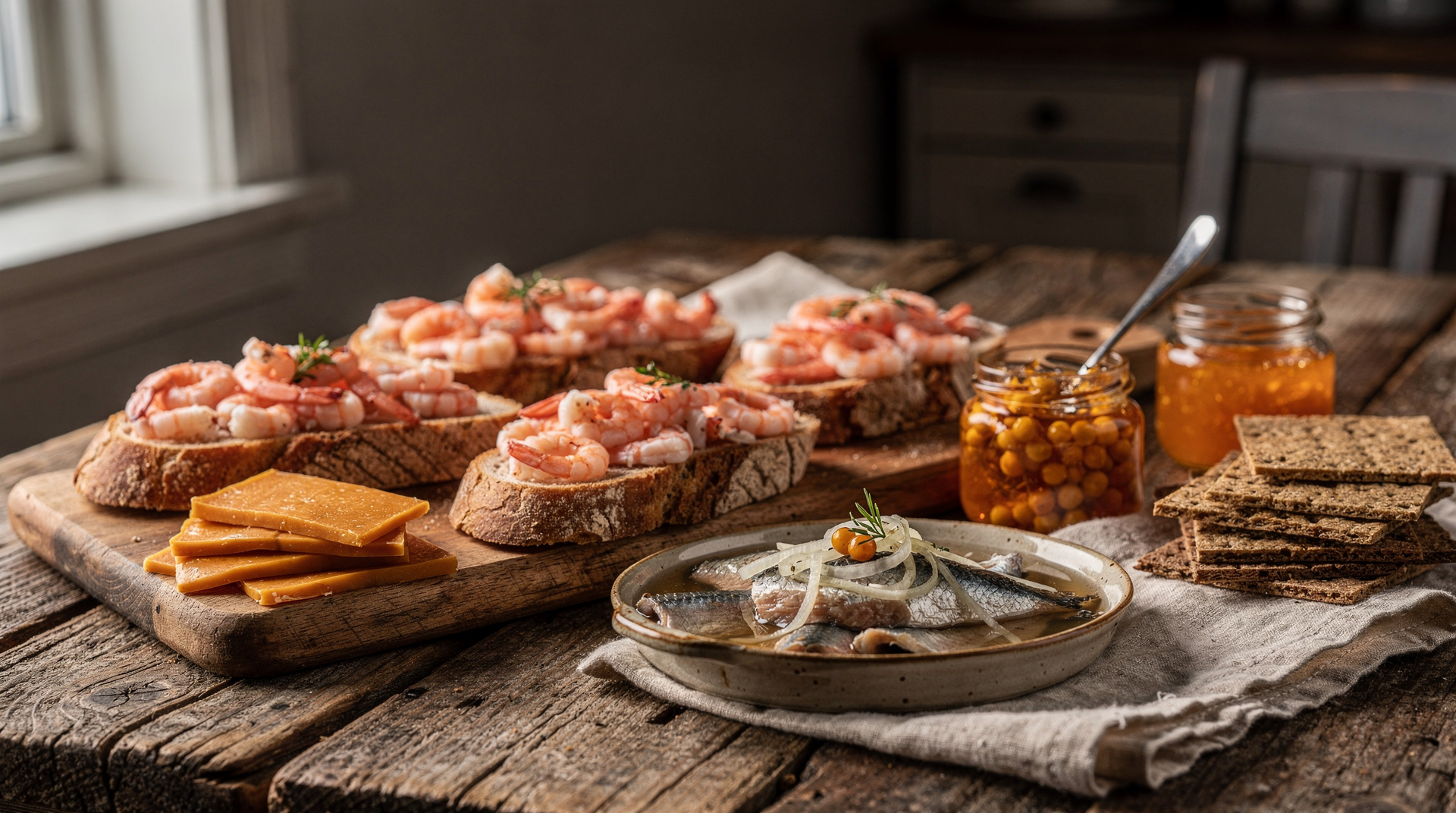
Hoestokk (Rådhusgata 27): One star, focused on Norwegian coastal ingredients. The smørbrød (open-faced sandwich) lunch here is one of the best-value fine-dining adjacent experiences in Oslo at around NOK 280–380 ($30–41) per person for a set lunch.
Arakataka (Mariboes gate 7): Not starred but Michelin-guide listed, with a consistently excellent small-plates approach that many visitors find the most pleasurable way to access Oslo’s serious food scene. Sharing plates NOK 130–210 ($14–23) each. A full dinner for two with wine NOK 900–1,400 ($97–151).
Comparing Oslo’s top fine-dining tier
| Restaurant | Stars | Style | Tasting menu (per person) | Booking lead time |
|---|---|---|---|---|
| Maaemo | 3 | Rigorous New Nordic, wild ingredients | NOK 2,700–3,200 | 2–3 months |
| Kontrast | 2 | New Nordic, warmer energy | NOK 1,600–2,000 | 3–6 weeks |
| Statholdergaarden | 2 | Classical French-Norwegian | NOK 1,400–1,800 | 3–4 weeks |
| Katla | 1 | Lighter, brighter Norwegian coastal | NOK 950–1,200 | 1–2 weeks |
| Arakataka | Listed, unstarred | Small-plates, Michelin-guide | NOK 900–1,400 for two | Days |
The New Nordic movement in context
The term “New Nordic” gets applied to everything from ambitious three-star tasting menus to restaurants that put dill on a butter board and call it Scandinavian. Understanding what it actually means helps calibrate expectations:
At its most rigorous (Maaemo, Kontrast), New Nordic means:
- Seasonal and local ingredients — sometimes hyper-local (from specific farms, forests, or fjord areas)
- Traditional preservation techniques — fermentation, smoking, curing, pickling — used as flavour-building tools, not just preservation
- Restraint in presentation — allowing ingredients to speak rather than elaborate plating for its own sake
- Cultural narrative — the meal tells a story about Norwegian food history, climate, and landscape
At its worst, it means small portions of cold things arranged on slate with excessive use of herbs that shouldn’t be together. The best way to know which you’re getting is to read the chefs’ stated philosophy and check current reviews.
Practical considerations for fine dining in Oslo
Cancellations: All of Oslo’s starred restaurants have strict cancellation policies — typically 48 to 72 hours advance notice required, or you’re charged 50–100% of the menu price. Buy travel insurance that covers dining cancellations if you’re booking something expensive.
Dietary restrictions: All Oslo fine-dining restaurants accommodate advance-notified dietary requirements. Maaemo specifically notes that their menu can be adapted for vegetarians, vegans, and common allergies. Notify when booking, not when you arrive.
Timing: Fine dining dinners in Oslo typically start at 18:30 or 19:00. Some restaurants do only one sitting per night; others do 18:30 and 21:00. A full tasting menu experience will run three to four hours. Factor this into your evening — post-dinner drinks in the bar area are common.
Combination: If you’re doing a serious fine-dining meal, balance it with a budget-eating day before or after. Oslo’s cost adds up quickly when you’re eating at every level; the contrast between a Maaemo dinner and a Grønland lunch the next day is also genuinely interesting.
For Oslo’s full food spectrum from street food to Michelin, see the complete where to eat in Oslo guide.
What to drink alongside the tasting menu
Wine pairings at Maaemo and Kontrast are curated specifically for each course and lean heavily on natural and biodynamic producers, including a growing number of Norwegian and Nordic wines that most visitors have never encountered. The pairing genuinely changes the meal — several courses are built around a specific wine interaction rather than a generic match — but it also roughly doubles the bill, so it’s worth deciding in advance whether the pairing matters to you or whether a shorter à la carte wine list suits the evening better.
Non-drinkers are well accommodated: Maaemo and Kontrast both offer non-alcoholic pairings using fermented juices, teas, and Norwegian botanicals that are taken as seriously as the wine list, not treated as an afterthought. If beer is more your interest than wine, see the Oslo craft beer guide for where the city’s other drinking culture lives.
How fine dining fits into a short Oslo trip
A single fine-dining dinner works well as the centrepiece of one evening in a 3- or 4-day Oslo trip rather than something to repeat nightly — both for budget reasons and because a three-to-four-hour tasting menu is genuinely filling in a way that changes the following day’s eating plans.
Many visitors pair a Maaemo or Kontrast dinner with a lighter lunch and a walk through Bjørvika or along the harbour beforehand, arriving with an appetite rather than full from a big lunch. If you’re building a food-focused itinerary around Oslo more broadly, the Oslo food tours guide and Norwegian food to try guide cover the everyday end of the spectrum that balances out a splurge night.
Planning the rest of the day around a tasting menu
A long dinner reshapes the hours around it. Mornings before a big evening work best when they are unhurried: a coffee stop from the Oslo coffee culture guide is a good example of the lighter pace that suits the day, and a gentle walk keeps your energy for the evening. A museum visit also fits well, since the national museum guide and the Oslo best museums ranked page both help you choose something calm that does not tire you out before you sit down to eat.
If you are weighing the cost of the evening against the rest of the trip, the Oslo daily costs guide and the Oslo trip cost breakdown show how a single splurge dinner sits inside a realistic budget. Many travellers decide that one memorable meal is easier to justify when the other days are kept simple, using ideas from the cheap eats guide or the Oslo on a budget guide.
Where you stay also matters for a late finish. Choosing a base close to the restaurant district means a short walk or a brief taxi ride home rather than a long journey on public transport after several hours at the table; the where to stay in Oslo guide and the Oslo public transport guide help you plan the return trip before you go. For a complete weekend built around eating well, the food and design weekend itinerary shows one way to pace a dinner like this alongside daytime sightseeing.
Choosing between the tiers
It helps to be clear about what you want from the evening before you book. If the goal is the single most ambitious Norwegian menu you can find, the three-star flagship is the obvious answer, and the time you spend securing a reservation is part of the experience. If you would rather have a relaxed, warm atmosphere with the same underlying philosophy, the two-star tier is an excellent compromise. If you simply want to taste how modern Norwegian cooking thinks, the lighter one-star and small-plates places let you do that without committing an entire evening, and they are easier to fit around other plans.
Whichever you pick, read the restaurant’s current menu description and booking terms close to your date, because menus change with the seasons and policies can shift. Arrive hungry, tell the staff about any dietary needs when you book, and give yourself the time to enjoy the pacing rather than rushing to another engagement afterwards. The point of a meal like this is the slow unfolding of courses, and the best nights are the ones with nothing else scheduled.
Finally, remember that a dinner of this kind is as much about the story as the food. Ask the servers about where ingredients come from, why a technique was chosen, or what a particular dish says about the season. Most teams are glad to explain, and the conversation often becomes the part of the evening you remember longest.
Frequently asked questions about Oslo fine dining
How far in advance should I book Maaemo?
Maaemo releases reservations months in advance and slots fill almost immediately on release day. Aim to book two to three months ahead for weekend slots, six to eight weeks for weekdays. Check the restaurant's website for the release calendar. Cancellation waitlists exist and are worth joining.Is Oslo fine dining worth the price?
For dedicated food enthusiasts: yes. Maaemo's three-star experience uses Norwegian ingredients at their best — wild herbs, game, fjord seafood, fermented produce — in a way that is distinctively Norwegian rather than generic luxury. For casual visitors, the price-to-pleasure ratio is harder to justify given Oslo's general expense.What is the New Nordic cuisine at Oslo fine dining?
New Nordic cuisine emphasises seasonal, local ingredients — often from Norway's coast, forests, and mountains — prepared with minimal intervention. Techniques include fermentation, curing, drying, and smoking. At its best (Maaemo, Kontrast) this means genuinely new flavour experiences. At worse imitations, it means small portions of barely seasoned vegetables.Are there Michelin-starred restaurants in Oslo below NOK 1,500 per person?
Bib Gourmand restaurants (Michelin's 'good value' designation, not starred) exist in Oslo at NOK 500–900 ($54–97) for a full meal. These include several Grünerløkka bistros and some city-centre options. True starred restaurants don't typically price below NOK 1,200 per person for a full tasting menu experience.Do Oslo fine dining restaurants have dress codes?
Smart casual is universally accepted. Maaemo and similar high-end restaurants don't enforce black-tie requirements but the environment is formal enough that casual shorts and trainers would feel out of place. Oslo's general attitude is relaxed — nobody will turn you away for dressing practically, but the occasion typically inspires dressing up.
Top experiences
Bookable activities with verified prices and instant confirmation on GetYourGuide.