A summer day hopping the Oslofjord islands: what we actually did
Oslo: Hovedøya and Nakholmen island hopping tour
Duration: 3 hours
- Hovedøya
- Swimming spots
The day that changed how I think about Oslo
Before I spent a summer day on the Oslo islands, I thought of Oslo primarily as a city of museums, expensive restaurants, and ambitious architecture. That version of Oslo is real and worth your time. But there is another Oslo — one that emerges specifically in July and August, in the 18 to 19 hours of usable daylight, on the dozen small islands sitting in the Oslofjord fifteen to thirty minutes from the city centre by ferry — that I had completely missed on earlier visits.
I want to tell you about one specific day, because the logistics are genuinely a little confusing the first time, and because an account of what actually happens is more useful than a theoretical guide.
| Where | Rådhusbrygge pier 4 or Aker Brygge pier 3, into the inner Oslofjord |
| Cost | Standard Ruter fare or day pass, around NOK 115 (USD 12) for 24 hours |
| Time needed | A full day for three islands; half a day for one or two |
| Best time | Late May through August for full ferry frequency |
| Booking | None needed — standard public ferries, no reservation |
The islands compared
| Island | Character | Best for | Time from city |
|---|---|---|---|
| Gressholmen | Small, car-free, wild orchids | Quiet mornings, a short walk | ~15 min |
| Hovedøya | Monastery ruins, forest, best beach | First-time visitors, one-stop trip | ~15–20 min |
| Lindøya | Summer cabin colony | Local atmosphere, no attractions | ~20 min |
| Nakholmen | Quietest, fewest visitors | Escaping the crowds entirely | ~20–25 min |
The ferry system: simpler than it looks
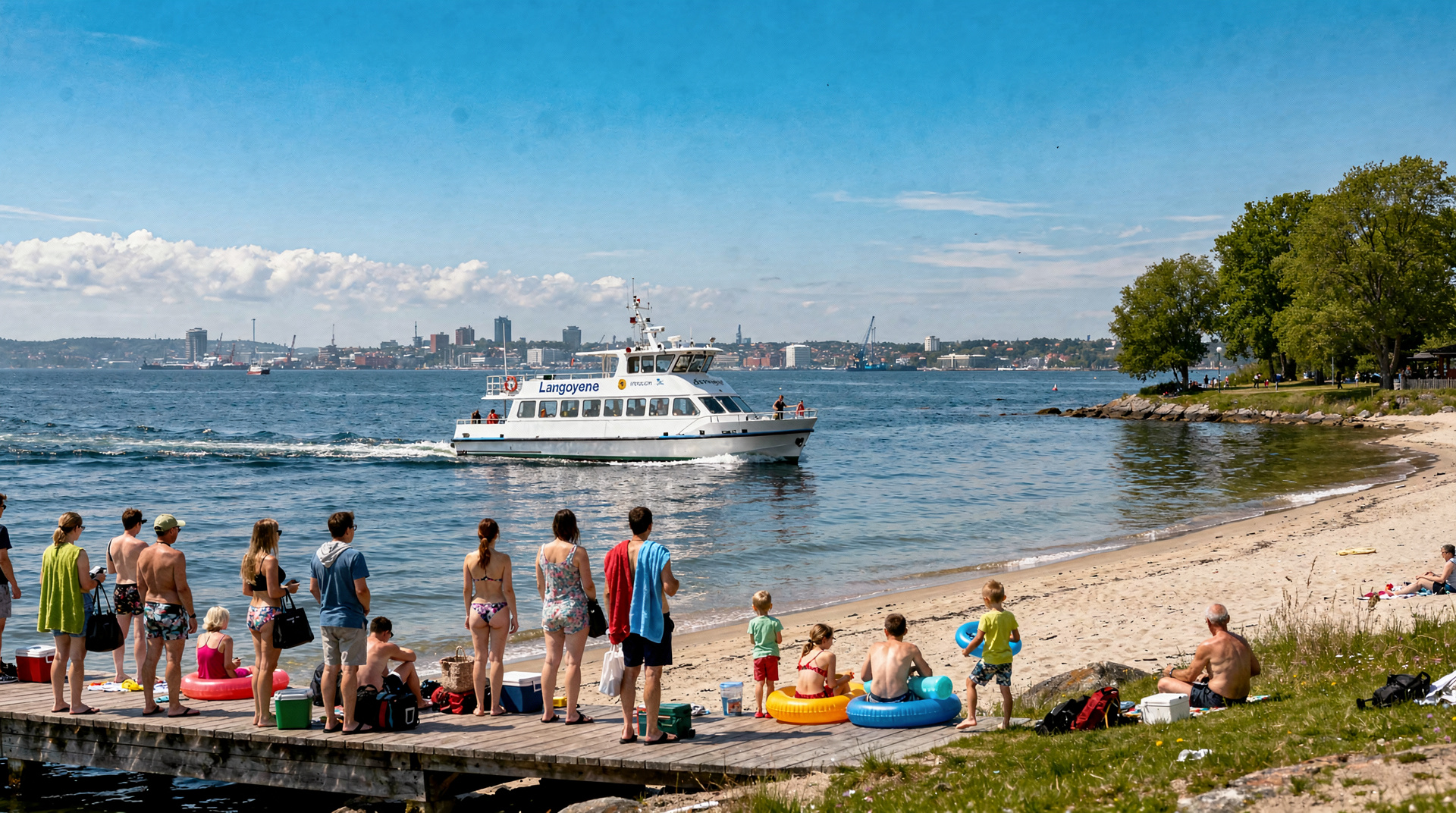
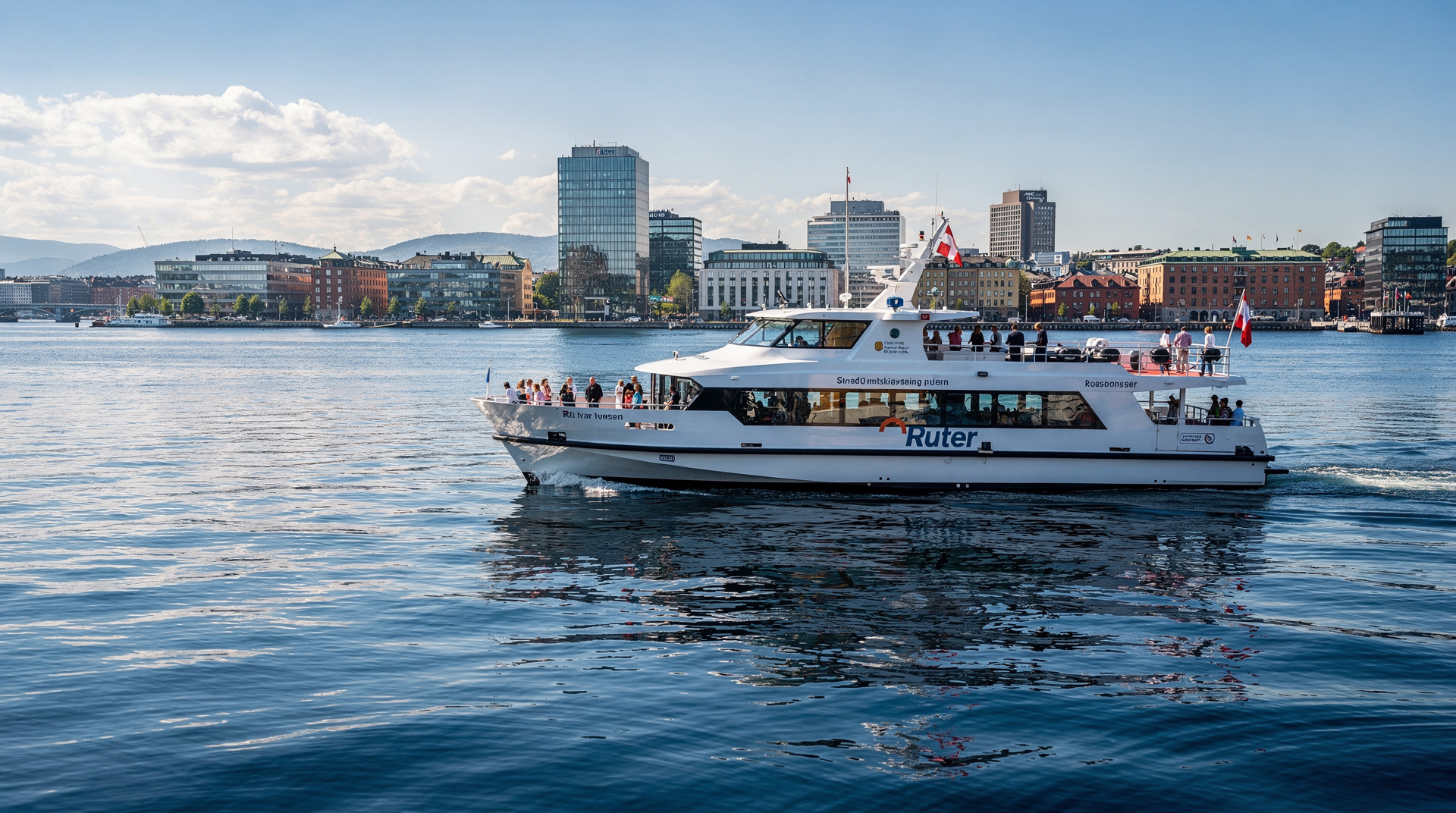
The islands are served by regular ferries that run from Rådhusbrygge pier 4 (the City Hall pier, also used by sightseeing boats) and from Aker Brygge pier 3. These are not tourist boats: they are standard Ruter public transport ferries, and your Ruter travel card or day pass covers the trip.
In summer (roughly late May through August), ferries run frequently — every 20 to 30 minutes during peak hours — and stop at a rotating sequence of islands. The main stops accessible from Rådhusbrygge are Gressholmen, Lindøya, Nakholmen, and Hovedøya. Bygdøy is also on the summer ferry route, although that is a peninsula rather than an island and the museums there make it a different kind of visit.
The Oslofjord ferries guide has the current timetables and route maps, which change slightly each season. The basic principle is simple: catch a ferry from pier 4, ride for 15 to 20 minutes, and you are on an island.
Første stopp: Gressholmen
We left Rådhusbrygge at 9:30am — early enough to have the island roughly to ourselves for the first hour before the summer crowds arrived. Gressholmen is the closest island to the city, about 15 minutes by ferry, and the smallest of the main archipelago.
It is car-free, has no permanent residents, and its facilities amount to: a small café (open in summer), a network of gravel paths, a few beaches, and a remarkable collection of orchids that bloom in the meadows in June and July. The meadow area is a designated nature reserve — one of the few places in urban Oslo where wild orchid species still grow in significant numbers.
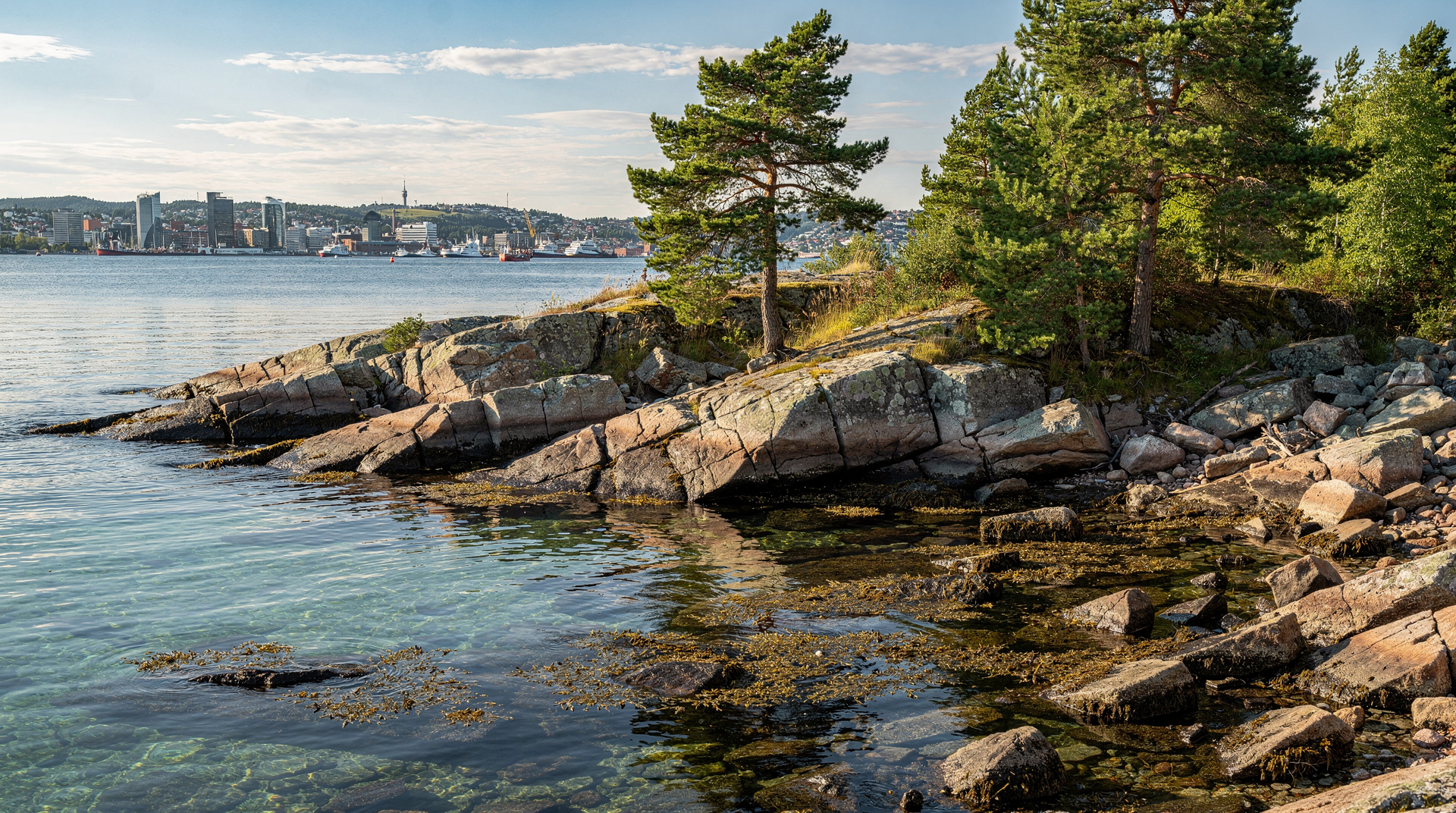
We had coffee and slightly overpriced pastries at the café (NOK 60 for a coffee, NOK 55 for a pastry — island premium, unavoidable) and walked the island perimeter in about 40 minutes. The view back toward Oslo from Gressholmen’s southeastern shore — the city skyline rising above the water with the Barcode and Opera House visible — is one of the better Oslo views precisely because you are seeing it from the water.
Reaching Hovedøya: the most interesting island
Hovedøya is the historical heart of the Oslo island archipelago. A Cistercian monastery was established here in 1147 and its ruins — not fully excavated but substantial and evocative — are visible on the island’s eastern shore. The monastery was built by monks from Kirkstead Abbey in Lincolnshire, which is a connection I find unexpectedly moving: English monks crossing the North Sea in the twelfth century to build in stone on an island in a Norwegian fjord.
We took the ferry from Gressholmen to Hovedøya at around 11am. The crossing takes about five minutes.
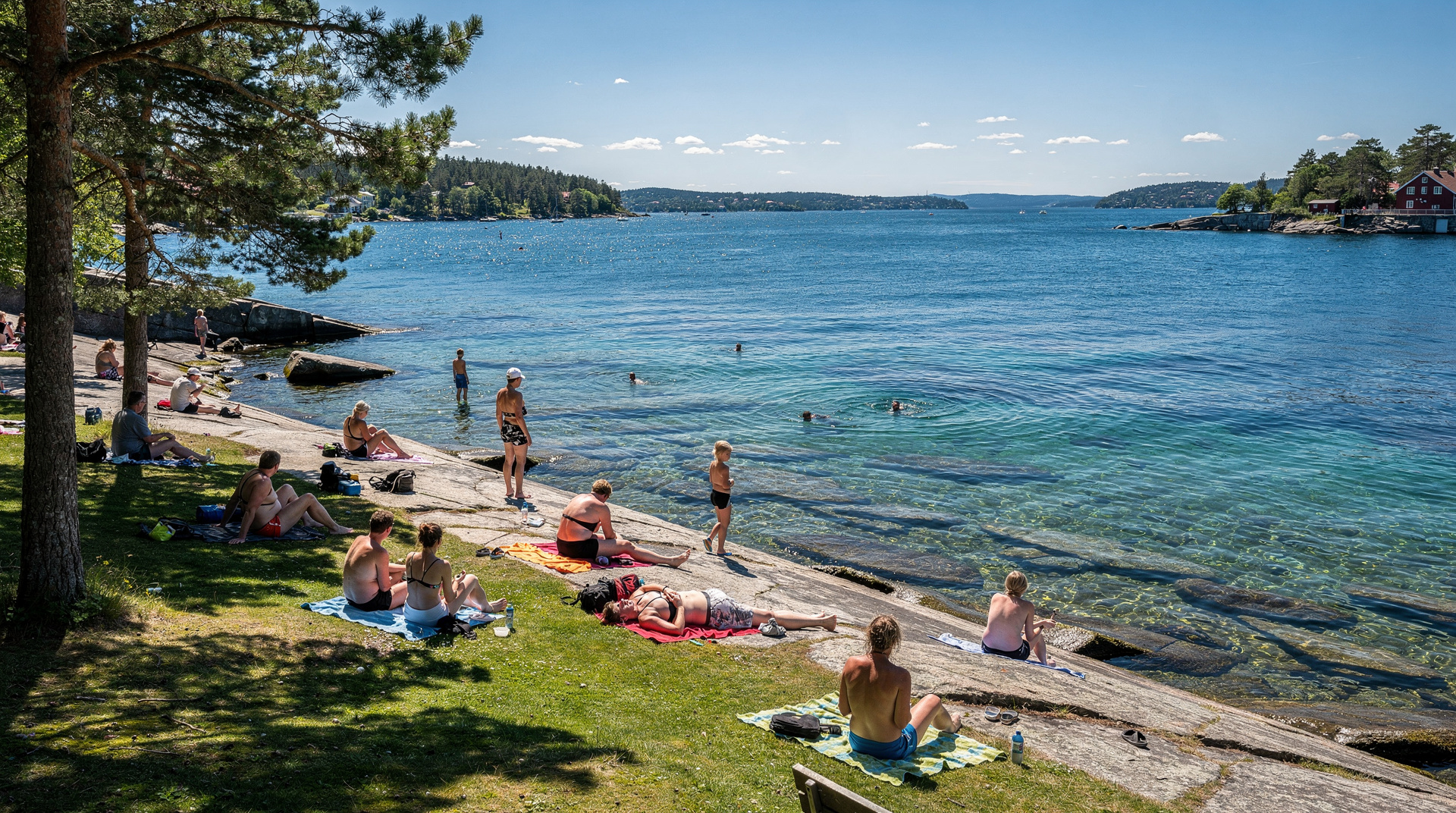
Hovedøya is larger and hillier than Gressholmen. The interior is forested and criss-crossed with signed walking trails. There are several beaches on the southern shore — the main beach is sandy and extremely popular on hot days, with families and groups occupying every available metre of shore. The water temperature in July reaches 20 to 22°C in good summers, which is cold by Mediterranean standards but entirely reasonable for Oslo.
We spent three hours on Hovedøya, which included: walking to the monastery ruins (20 minutes from the main pier, well-signed), following the western ridge trail with views back toward the Oslofjord, a swim from the eastern beach, and lunch at the island’s small kiosk — a packed lunch from a city supermarket would have been both better and cheaper (NOK 180 for a basic sandwich meal at the island kiosk). Lesson learned and not regretted.
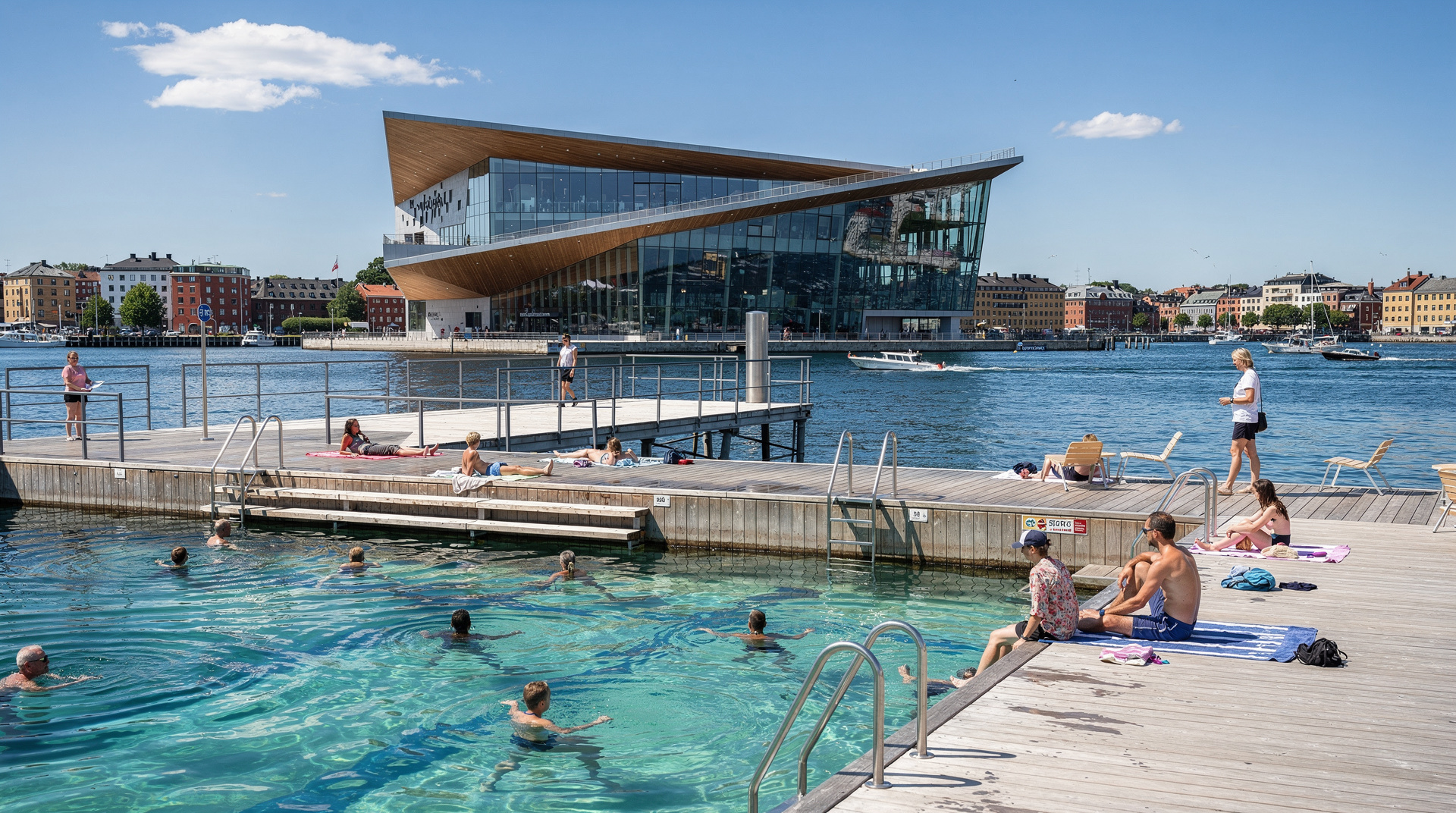
For more on the island swimming spots and what each beach is like, the Oslo swimming spots guide covers every major option, and the wider Oslo beaches guide puts the island beaches alongside mainland options if you are comparing.
Lindøya: the summer cabin colony
The afternoon brought us to Lindøya, which is the most distinctively Norwegian of the inner islands. Lindøya is occupied by a colony of summer cabins — small, colourful wooden structures, most privately owned through long-term lease arrangements with the city — that represent a form of Norwegian summer life that is almost impossible to explain to visitors from countries without this tradition.
The cabins are tiny. Many have been in the same family for generations. They have small gardens and small jetties and small boats. Lindøya in July smells of barbecue smoke and sunscreen and the particular piney warmth of Norwegian summer timber. It is intensely, almost defiantly ordinary in the best possible way.
The island has no formal tourist attractions. There is a small café by the pier. The walking trails connect the cabin areas with a wooded central ridge and a few swimming spots. We were there for about 90 minutes, ate ice cream, walked the island perimeter, and watched Oslo commuters arrive on the afternoon ferry to their cabins — a Friday ritual that, even on a Tuesday in July, was happening with the ease of long practice.
The Oslo islands destination guide covers the full history and character of each island, including the ones further out that require longer ferry trips.
Coming back: the evening ferry and the skyline
We returned to the city from Lindøya at around 5:30pm, taking a direct ferry back to Rådhusbrygge. The return journey produced the best view of the day: Oslo from the water in the long low evening light, the city gathered at the head of its fjord, the sun still two hours from setting, everything gilded and slightly impossible-looking.
Oslo does not get the midnight sun — at 59.9°N, the summer solstice brings about 18 to 19 hours of daylight but the sun does set, reaching its lowest point around 11pm before beginning to rise again before 4am. The quality of the light from about 7pm through 11pm on clear summer evenings is extraordinary — warm, raking, and persistent in a way that transforms even ordinary urban architecture.
The ferry cost for the whole day: NOK 115 (USD 12) for a 24-hour Ruter pass, which covered all island ferries plus all city transport.
The practical guide to doing this yourself
A few things we learned that are worth knowing:
Start before 10am in July. The popular beaches on Hovedøya fill up significantly by midday on warm days. An early start means an hour of relative quiet on the islands before the crowds arrive.
Bring a picnic. The island cafés and kiosks are convenient but expensive and have limited quality. A small supermarket at Aker Brygge or near your accommodation the night before means dramatically better food at half the price.
Check the ferry timetable before you go. The island hopping guide has the current timetable links. Ferries run frequently in summer but inter-island connections (Gressholmen to Lindøya without going back to the city) require checking which boats serve which routes in sequence.
Water shoes for rocky beaches. Some of the smaller swimming spots have underwater rocks. A pair of lightweight water shoes in your day bag makes the swimming far more comfortable.
Bring sunscreen in May and June, not just July. Norwegian summer UV levels are genuinely high even when the air temperature is mild. The combination of full daylight for 19 hours and a low sun angle creates deceptive UV exposure.
The full logistics of the island ferry system, with current seasonal schedules, are in the Oslofjord ferries guide.
For a curated day plan that combines island hopping with a specific itinerary, the Oslo and Oslofjord islands day itinerary builds out the logistics in detail.
Doing it with kids, or on your own terms
Our day worked well as two adults moving at our own pace, but the islands are genuinely good for families too — shallow, calm water at several beaches and short ferry hops that keep young children engaged rather than restless. The family fjord activities guide covers which islands and beaches work best with children in tow. If you would rather get off the standard ferry route entirely, kayaking the Oslofjord or renting a paddleboard lets you reach quiet coves between the islands that the ferries do not stop at.
Going further out
If the inner islands leave you wanting more, Nesodden is a short ferry ride further out and has a genuinely different, more residential character than the tourist-facing inner archipelago — worth a half-day if you have already done Hovedøya and Lindøya. Timing matters more than people expect for any of this: our best time to visit Oslo guide explains why late May through August is the real window for full ferry frequency and warm-enough swimming.
Top experiences
Bookable activities with verified prices and instant confirmation on GetYourGuide.