The sauna boom explained: why Oslo fell head over heels for floating saunas
Oslo: self-service public floating sauna ticket, Tjuvholmen
Duration: 1 hour
- Floating sauna
- Fjord swim
From cold water to hot timber: Oslo’s sauna revolution
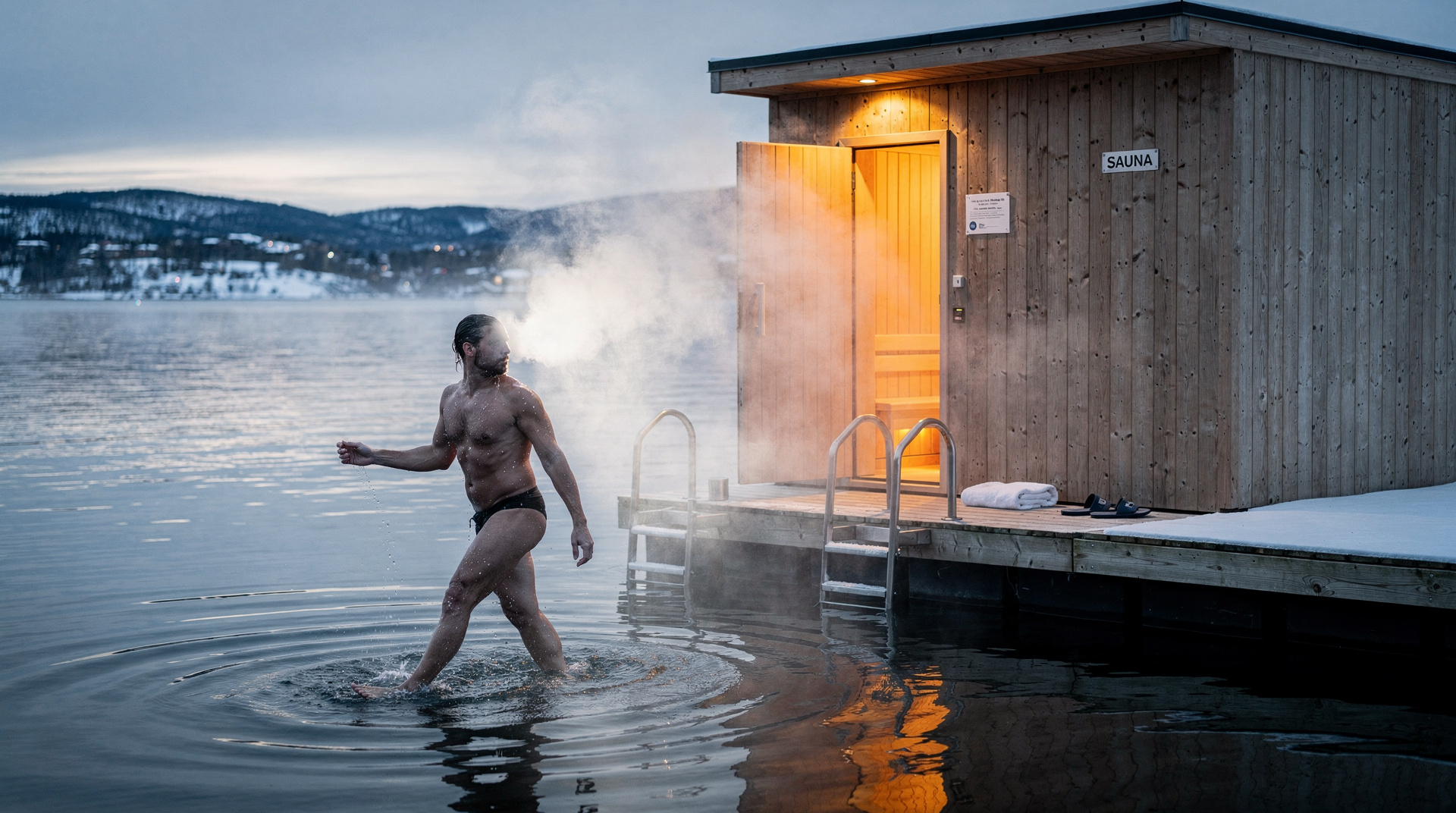
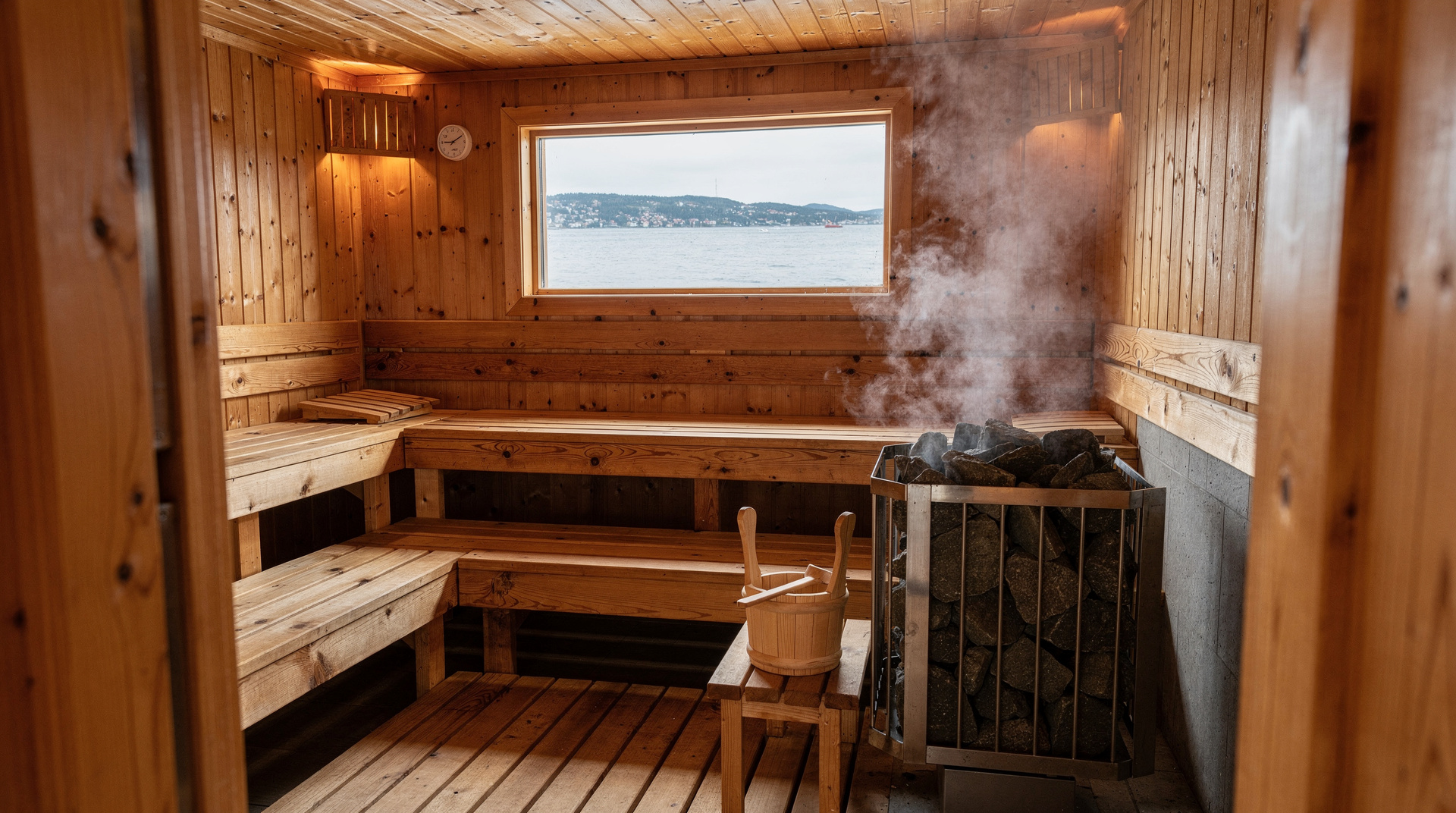
There is a moment, somewhere around your third minute in a floating sauna above the Oslofjord, when the absurdity of the situation hits you. You are sitting in a cedar-lined box, sweating dramatically, while through the small porthole window a silent electric ferry glides past. Outside, the water temperature is around 8°C. In twenty minutes, you will jump into that water voluntarily. And then — this is the truly strange part — you will feel absolutely wonderful.
| Cost | NOK 200–400 per person for a 2-hour public session |
| Booking | Advance booking essential in summer; easier in winter |
| Where | Tjuvholmen, Aker Brygge, Bjørvika waterfront |
| Best season | Peaks in summer; winter sessions are arguably more intense |
| What to bring | Towel (rentable), swimwear; some venues provide robes |
I had that moment at Tjuvholmen Sjøbad on a grey February afternoon, and I have been trying to explain the appeal of Oslo’s floating saunas to puzzled friends ever since. The question they ask is usually the same: how did this happen? How did a city that is already cold, dark, and famously expensive manage to turn sweating-on-a-raft into one of its signature experiences?
The answer is part cultural revival, part urban planning accident, and part genuine community need. And it is worth unpacking properly.
The Finnish root and the Norwegian rediscovery
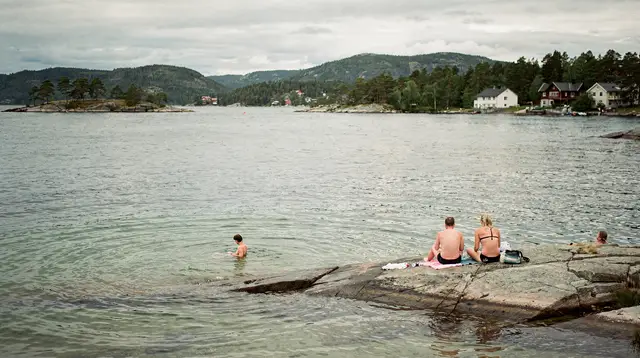
Sauna culture is not new in Scandinavia — it has been practiced continuously in Finland for thousands of years and has long existed in Norwegian rural and coastal communities. What is relatively new is the urban sauna: the idea that city dwellers, not just cabin owners or serious athletes, have a right to regular heat-and-plunge rituals.
For much of the twentieth century, Oslo’s relationship with the sauna was institutional. Gyms had them. Some apartment buildings had communal ones. But the intimate, wood-heated experience — the kind where you sit with strangers and nobody speaks above a murmur — had largely migrated to private cabins outside the city.
The shift began in the early 2010s, when a handful of architects and urban planners started asking what should happen to the piers and industrial harbour areas being vacated as Oslo’s port moved operations out of the city centre. The answer, somewhat experimentally at first, was: swimming and saunas.
The harbour transformation that made it possible
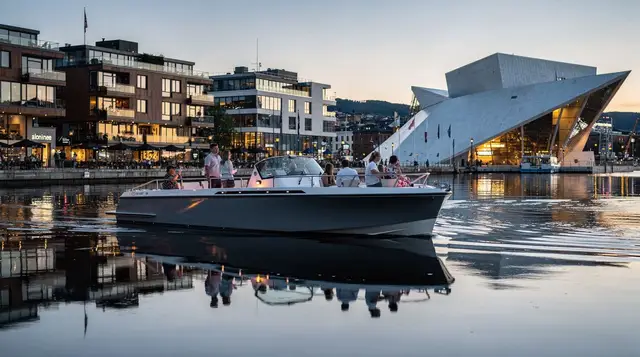
Oslo’s harbour redevelopment is the essential backdrop to the sauna boom. The opening of the Oslo Opera House in 2008 accelerated what planners had already been designing: a publicly accessible waterfront stretching from Bjørvika in the east through Aker Brygge to Tjuvholmen in the west.
As the cargo cranes came down and new promenades replaced them, there was suddenly legal, accessible, and beautiful water right in the middle of the city. The Oslofjord at this stretch is clean enough to swim in — Oslo takes its water quality seriously — and the infrastructure of floating piers and marina berths was already in place.
The first purpose-built public bathing facilities appeared around 2015-2016. Initially they were fairly modest: some outdoor showers, changing facilities, a simple jumping platform. But Norwegians are pragmatic. If you are going to build a bathing facility in a country where the outdoor swimming season is roughly eight weeks long, you are going to need heat.
Enter the floating sauna.
What makes a floating sauna different
A floating sauna is not simply a sauna that happens to be near water. The floating part is essential to the experience, and not just for the views (though the views from the Oslofjord are genuinely excellent — the islands of Hovedøya and Lindøya on clear days, the gentle hills of Nesodden across the water).
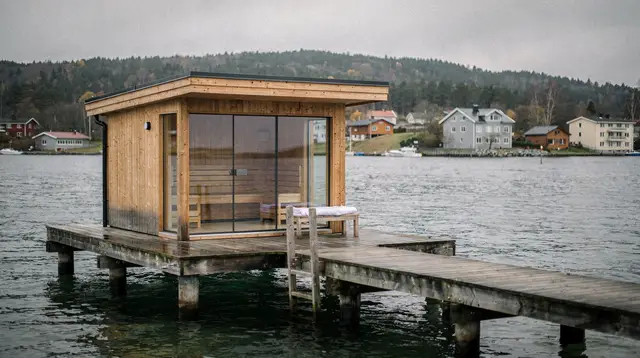
The floating platform creates immediate, effortless access to cold water. You do not walk down stairs, navigate a path, or cross a road. You open a door, step onto a small wooden deck, and the fjord is right there. The transition from extreme heat to extreme cold — which is the physiological core of the Nordic sauna ritual — becomes almost frictionless.
This matters more than it sounds. The cold plunge is the part that most non-Scandinavians approach with terror, but it is also the part that produces the most dramatic physical effect: the rush of endorphins, the clarity of mind, the slightly euphoric feeling that makes sauna converts evangelical about the whole business. Easy fjord access makes the cold plunge far more likely to actually happen.
For a deeper look at how to approach your first session, the Oslo sauna etiquette guide covers the unwritten rules that make the experience more enjoyable for everyone.
The key venues and what they offer
By the time I first visited in 2021, Oslo had developed several distinct floating sauna venues, each with its own character.
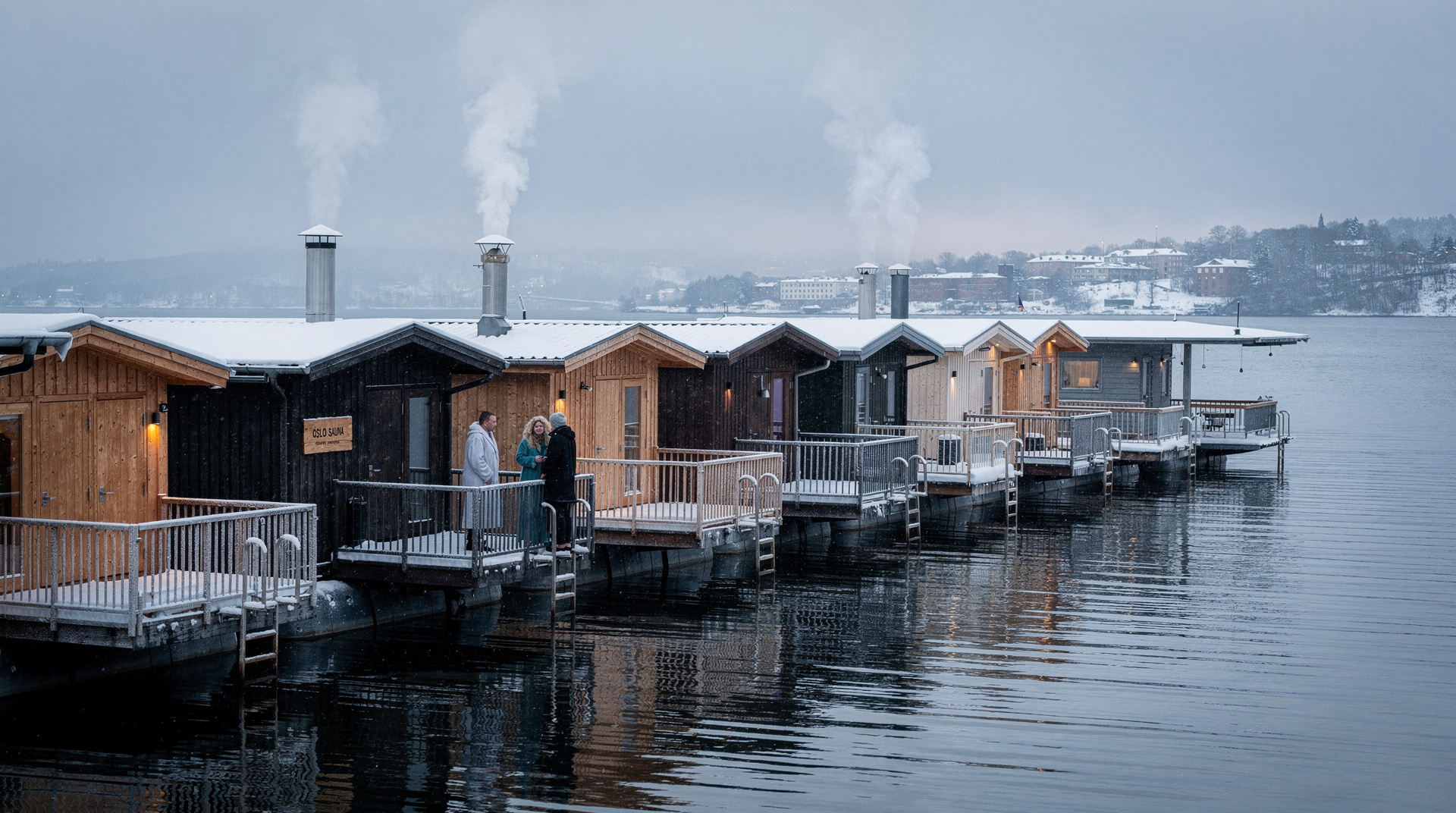
Tjuvholmen Sjøbad sits at the tip of the Tjuvholmen peninsula, in the heart of the gallery-and-restaurant district. It is the most architecturally polished of the venues, with beautifully designed wooden structures and some of the best views in the city. It attracts a mix of art-world professionals, tourists, and regular Oslo residents who have bought annual memberships. Booking ahead is strongly recommended, especially on weekends.
Sunn, on the Aker Brygge waterfront, takes a more social, café-centric approach. There is food, there is a bar, and the atmosphere is noticeably louder and more convivial. If Tjuvholmen Sjøbad is the contemplative option, Sunn is where you go when you want the sauna to be part of an evening out.
KOK Oslo operates floating sauna barges that can be rented privately — a popular option for company events, birthdays, or groups of friends who want the experience without the public booking queue. The private hire market is a significant part of Oslo’s sauna economy and reflects how quickly the concept moved from novelty to established social infrastructure.
For a full comparison of the venues and what each charges, the full Oslo sauna comparison guide has up-to-date prices and booking notes. Expect to pay NOK 200 to 400 (USD 22 to 43) per person for a two-hour session at most public venues. Our dedicated Tjuvholmen Sjøbad guide goes deeper on that specific venue if it is the one you are most likely to book, including current pricing and how far ahead you realistically need to reserve.
| Venue | Vibe | Typical price | Booking pressure |
|---|---|---|---|
| Tjuvholmen Sjøbad | Contemplative, design-forward | NOK 250–400/2hrs | High in summer |
| Sunn (Aker Brygge) | Social, café-centric | NOK 200–350/2hrs | Moderate |
| KOK Oslo (private hire) | Group/private barge | Priced per group | Book weeks ahead |
The social function nobody advertises
Here is the thing about Oslo’s sauna culture that surprised me most: it is fundamentally egalitarian in a way that very few Oslo experiences are.
Oslo is an expensive city. Almost every social activity has a price tag attached, and those price tags are high. A coffee is NOK 50 to 70. A beer in a bar is NOK 100 to 130. A restaurant meal is NOK 350 to 600 per person. The cumulative cost of simply going out in Oslo creates a kind of social segregation: those who can afford to participate freely and those who budget carefully.
The sauna sidesteps some of this. Not entirely — the sessions are not free, and the mid-range price still represents real money. But the experience has a levelling quality that comes directly from the format. Everyone is in the same steamed wooden room, everyone is sweating equally, and the complete absence of phones and screens creates the kind of conversation that Oslo’s sleek cafés and restaurants somehow suppress. I have had more genuine exchanges with strangers in Oslo saunas than in any other context in the city.
Norwegians I have talked to about this describe the sauna as a space where the usual social distances collapse. The combination of heat, proximity, and vulnerability — you are, after all, half-naked and dripping — creates a social neutrality that Norwegians, who are not always famous for approaching strangers, seem to find liberating.
Why February is actually a good time to go
You might expect the floating sauna boom to be a summer phenomenon — and it does peak in summer, when the combination of sauna and cold plunge in 17 to 20°C water is genuinely magical. But the winter sauna experience is, in many ways, more impressive.
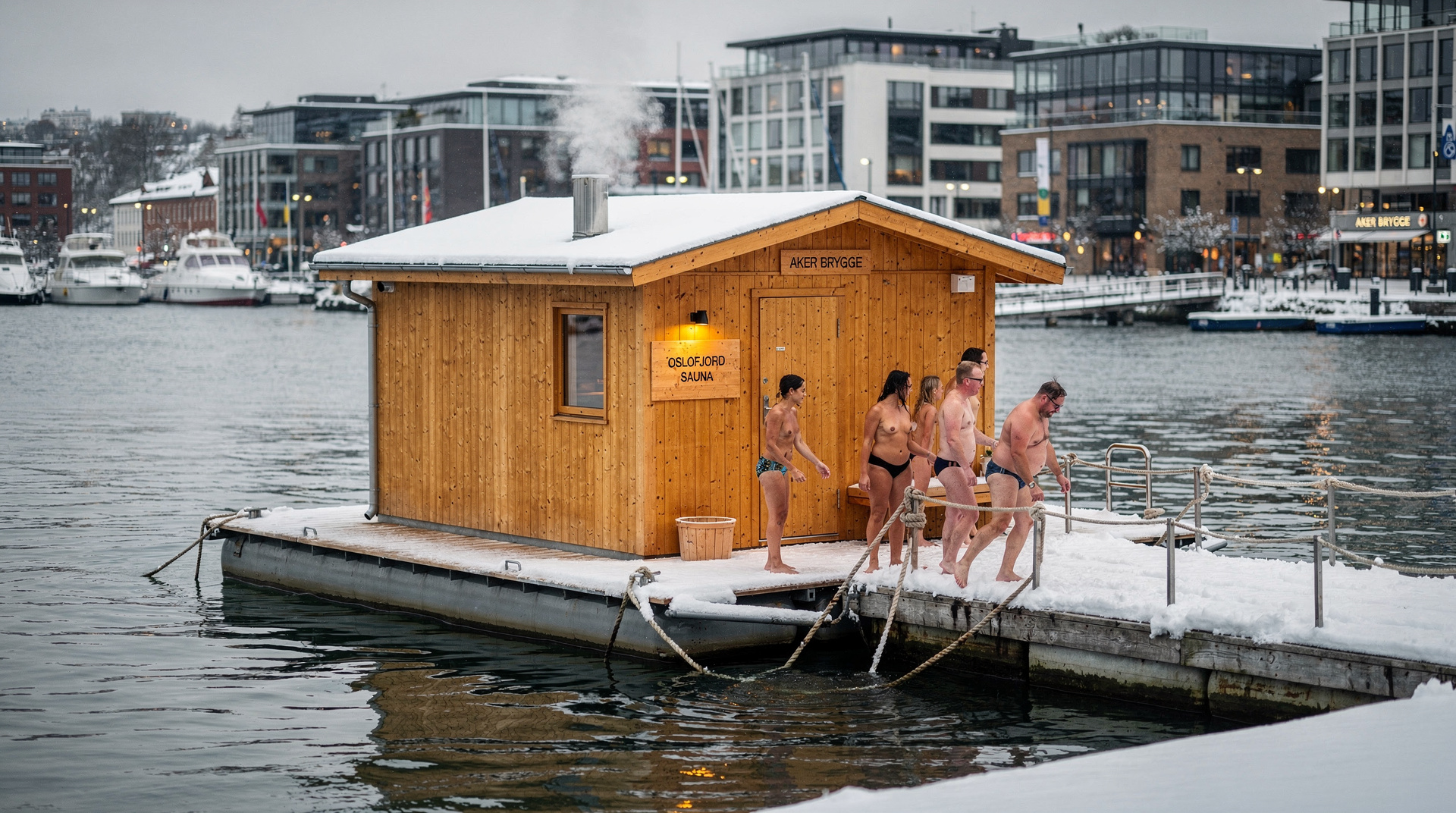
In February, when I made my first visit, Oslo was at about -3°C. The fjord water was close to its winter minimum of around 5 to 8°C. Stepping from a 90°C sauna into that water is a genuinely intense experience — one that makes every subsequent minute in the heat feel like a reward for courage.
More practically: winter bookings are easier to secure. Summer slots at the popular venues fill within hours of becoming available. In February, you can often book a same-week session without difficulty.
The darkness also does something interesting to the atmosphere. Oslo in winter has about six to seven hours of usable daylight. By 4pm it is fully dark, and a floating sauna session that starts at 3pm and runs into the early evening involves watching the city lights reflect on the fjord water, which is one of Oslo’s better aesthetic experiences. There are candles. There is silence, mostly. It is, unexpectedly, one of the more romantic things Oslo has to offer.
How the sauna fits into a wider Oslo swimming culture
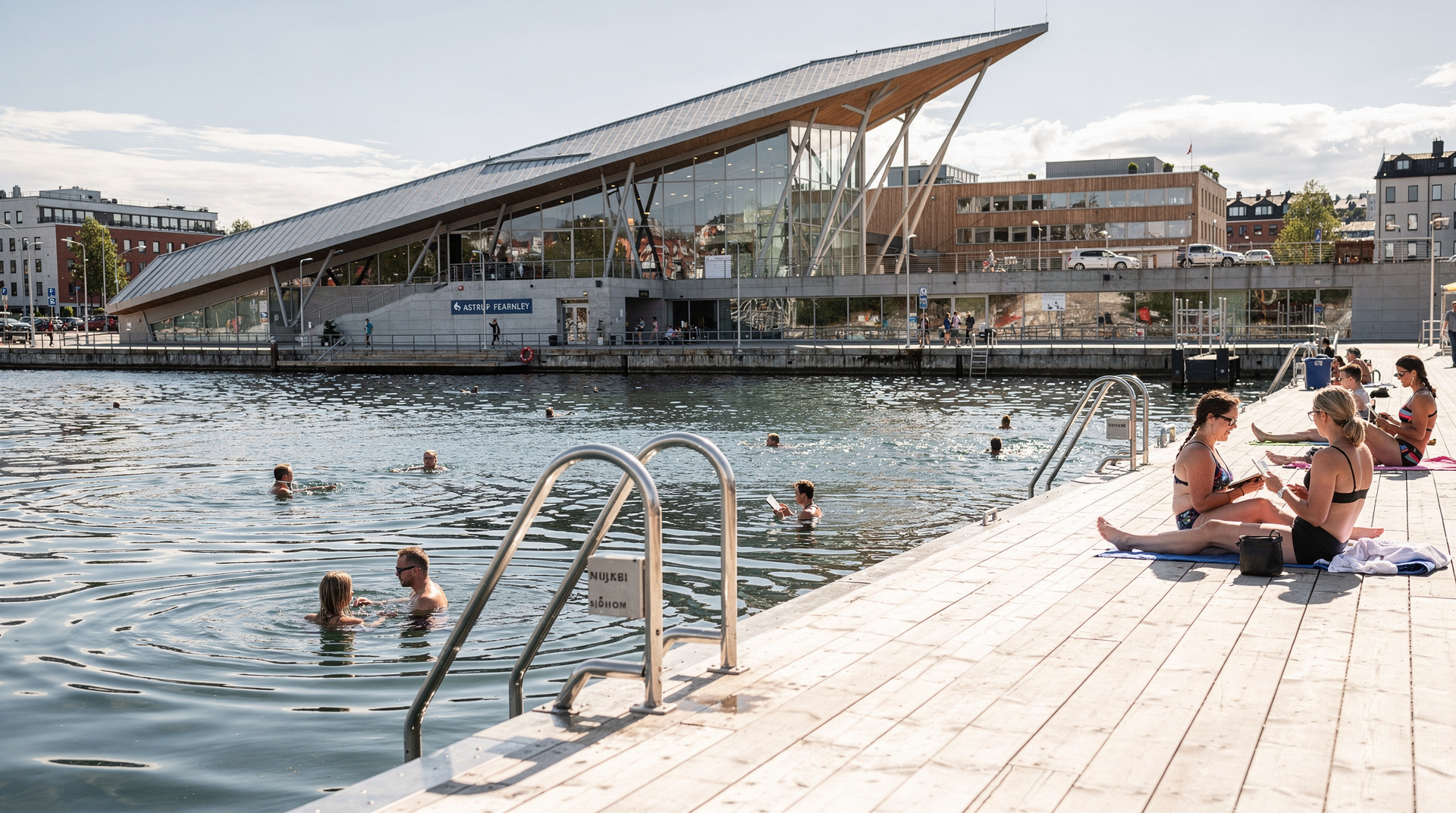
The floating sauna boom did not emerge in isolation — it grew alongside a broader revival of open-water swimming in Oslo, which our Oslo swimming spots guide covers in full. Many sauna venues sit directly beside, or share infrastructure with, public bathing spots that predate the sauna craze by decades.
The cultural logic is the same in both cases: Oslo residents have reclaimed a harbour that used to be an industrial no-go zone and turned it into the city’s most-used piece of public infrastructure, hot or cold. If you book a sauna session, budget extra time to also just swim from the adjacent rocks or platform — it is usually free once you are there, and it is arguably the more essential part of the experience than the sauna itself.
Booking a session as a first-timer
If you have never been to a floating sauna, a few practical notes will save you an awkward first visit. Sessions are typically sold in fixed time blocks (60 to 120 minutes), shared with other bookings unless you have arranged a private hire. Arrive with swimwear already on under your clothes to save time changing.
Guided floating sauna sessions exist for visitors who would rather not navigate booking apps in Norwegian, and these typically include a host who explains etiquette and timing on the spot — useful if this is your first Nordic sauna experience of any kind. Whichever way you book, check the etiquette guide first: the unwritten rules (quiet voices, no phones, alternating heat and cold rather than staying in the sauna the whole session) matter more to a good experience than any amount of expensive design.
The commercialisation question
A boom that started as something organic and community-driven inevitably attracts commercial interest, and Oslo’s sauna scene is navigating that now.
Several of the newer venues feel more like wellness brands than neighbourhood institutions. The branding is more elaborate, the Instagram feeds more curated, the merchandise more aggressively promoted. Prices at some newer operators have crept above NOK 500 per person for sessions that do not obviously justify the premium.
Long-term Oslo residents who remember the early, more informal sauna scene sometimes express ambivalence about this. The city’s own urban development policies still require that a significant proportion of waterfront sauna facilities remain publicly accessible and reasonably priced — a political commitment that has so far kept the experience from becoming purely luxury territory.
For now, the boom shows no signs of cooling, whatever the water temperature. Oslo’s floating saunas have become part of the city’s identity in a way that feels durable. They solve a real problem — the need for outdoor communal experience in a cold, dark, expensive city — and they do it with Nordic elegance.
Visiting the saunas: practical notes
If you are planning a visit, a few things are worth knowing. Most venues operate on advance booking; walk-ins are rarely available on weekends. Towels can usually be rented if you forget yours. Mixed-gender sessions are the norm at most public venues; some operators offer women-only slots on certain days.
The complete guide to Oslo’s floating saunas covers every active venue, current prices, booking links, and tips for first-timers.
For context about where the saunas sit in Oslo’s broader wellness culture, the sauna and cold plunge guide explains the health claims, the ritual, and what to actually expect from your first session.
If you are staying in the Aker Brygge and Tjuvholmen area, you will be within walking distance of two or three sauna venues — it is worth building an afternoon session into your Oslo itinerary regardless of season. For a broader sense of what else works well in the cold months, see our winter in Oslo post and the winter activities guide.
Come in February. Bring a towel. Jump in the water. You will not regret it.
Top experiences
Bookable activities with verified prices and instant confirmation on GetYourGuide.