Oslo active outdoors: 3-day hiking, kayak and forest itinerary
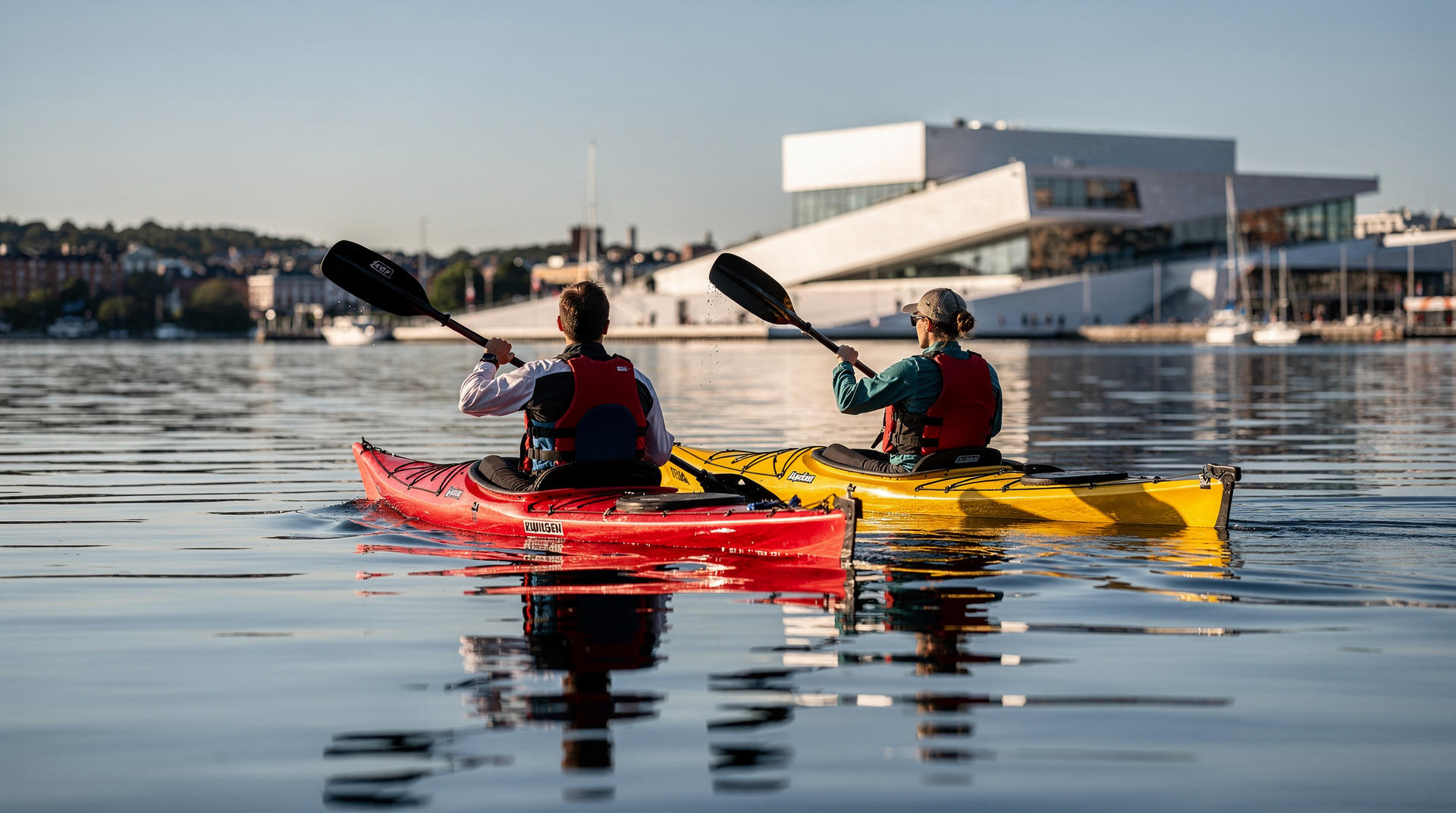
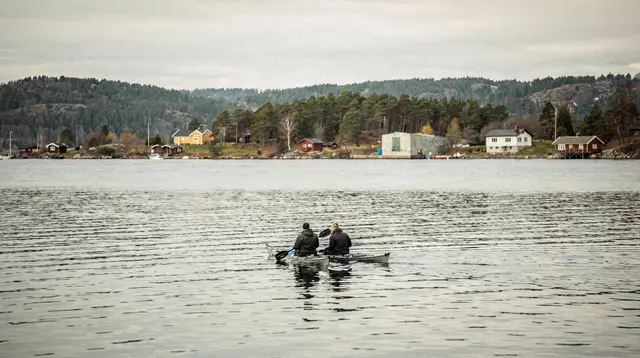
Oslo: 3-hour kayaking trip on the Oslofjord
Duration: 3 hours
- Kayak + gear
- Guided
Oslo for active travellers: 3 days of outdoor adventure
Oslo is an unusual capital: a city of 700 000 people where the forested Nordmarka wilderness begins at the metro terminus, and where you can kayak the same fjord the polar explorer Amundsen sailed in and out of. Active outdoor experiences are genuinely embedded in Oslo life — the Norwegian concept of friluftsliv (open-air living) is not a marketing phrase here, it is what people actually do on weekday evenings and weekends.
This 3-day itinerary focuses on outdoor activities: kayaking on the Oslofjord, a summit hike, forest walking in Nordmarka, and the floating sauna experience that ties the fjord connection together. It is designed for May–September (when kayaking and island activities operate fully) with a winter adaptation note for each major activity.
Difficulty note: This itinerary is rated moderate. Individual activities range from easy (floating sauna, forest walk) to moderate (Vettakollen summit hike, 3-hour kayak). None require specialised skills — guides provide equipment and instruction for activities that need it.
Equipment: You need no specialised equipment for any activity on this itinerary. Kayak and snowshoe tours provide everything. For hiking: standard waterproof walking shoes or trainers are adequate for Vettakollen in good conditions; proper hiking boots preferred.
| Where | Aker Brygge, Tjuvholmen, Nordmarka, Sognsvann, Holmenkollen |
| Cost (mid-range) | Around NOK 5 400 / ~USD 585 per person |
| Time needed | Three full days |
| Getting there | Flytoget or Vy train to Oslo S, then metro/tram |
| Best time | May–September for kayaking and SUP; winter version substitutes skiing |
Day 1: kayaking the Oslofjord
Morning: fjord preparation and harbour walk
08:30 — Walk to Aker Brygge and the inner harbour
Start at the waterfront. Understanding the geography of the inner Oslofjord before you kayak it makes the experience richer. Walk from Oslo S to Aker Brygge (15 minutes). From the pier, look east toward Bjørvika (the Munch Museum’s Lambda tower), west toward the sailing harbour, and south toward the outer islands. This is the water you will be paddling.
Stop for coffee and a light breakfast — kayaking on a full stomach is uncomfortable. A flat white and a sandwich from Åpent Bakeri at Aker Brygge (NOK 110–145 / ~USD 12–16) is ideal. Brief and efficient.
10:00 — Pre-kayak logistics
Meet the kayak tour operator at the harbour (typically near Aker Brygge or the Sjøsiden launch point). The guided 3-hour kayaking trip includes all equipment — sit-on-top kayaks for beginners, sea kayaks for more confident paddlers. A 15-minute safety and technique briefing precedes launch.
Morning and midday: 3-hour Oslofjord kayak
10:15 — Oslofjord kayak tour (3 hours)
The paddling route typically circles the inner harbour area, passes below Akershus Fortress (a remarkable perspective on a 700-year-old military structure from the water), and heads toward the outer islands depending on conditions and group pace. In calm weather, you may reach Hovedøya island (monastery ruins visible from the water) before returning.
What makes this worthwhile compared to a cruise: the silence, the scale, and the physical engagement. At water level, the fortress walls tower dramatically. The reflection of city buildings in the fjord is clear and still. Wildlife (seabirds, the occasional seal in the outer areas) is common.
Duration: 3 hours, approximately 7–10 km of paddling. Suitable for all fitness levels above basic. Approximately NOK 650–750 / ~USD 70–81. See our kayaking guide for operator comparison and what to expect.
Note: The kayak tour runs May–September. In winter, substitute with a winter fjord cruise (Oslo winter skyline cruise with fish soup), cross-country skiing, or snowshoeing from the same day’s budget.
13:30 — Post-kayak lunch at Aker Brygge
After 3 hours on the water, you will be hungry. Mid-range lunch: Fiskeriet Youngstorget (Youngstorget 2, 15-minute walk, excellent fish and chips, NOK 220–310 / ~USD 24–33). Quick option: Lekter’n at Aker Brygge for a fjord-side fish burger (NOK 175–220 / ~USD 19–24). Avoid the upscale restaurants along the main Aker Brygge strip — you are wet, salty, and do not need a starched tablecloth.
Afternoon: floating sauna recovery
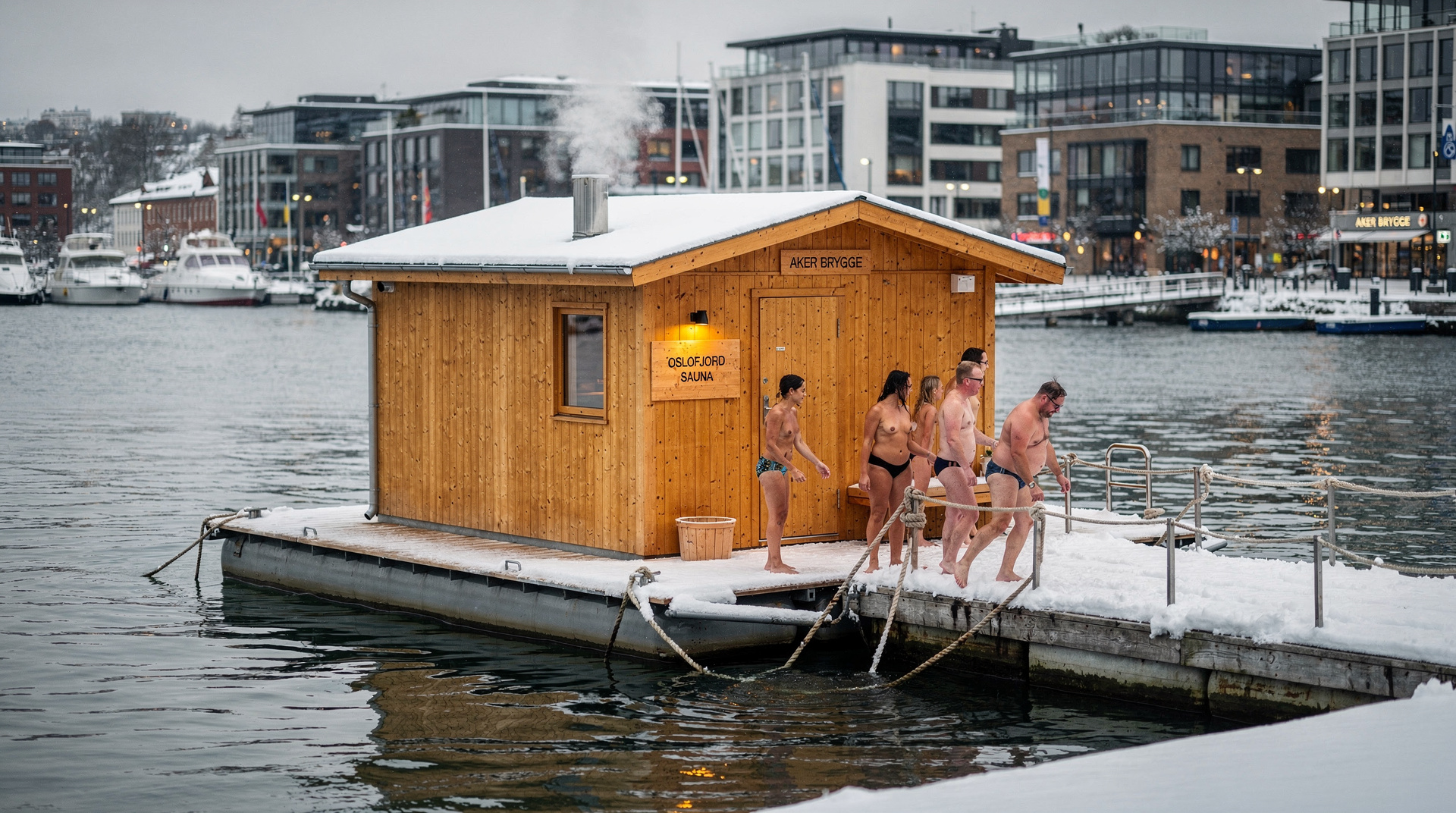
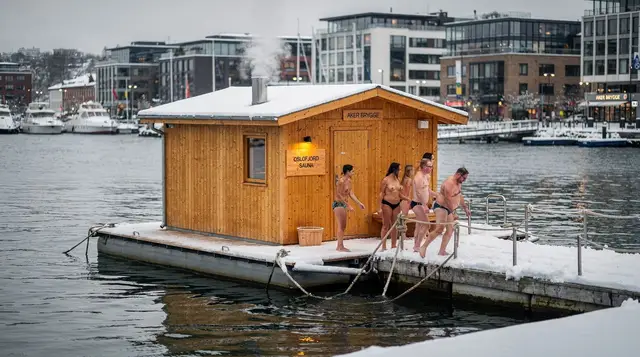
15:00 — Floating sauna at Tjuvholmen
After a morning of physical activity, the floating sauna is ideal recovery. Book a 1.5-hour session at the Tjuvholmen floating sauna — the heat loosens the muscles used kayaking, and the cold plunge into the fjord stimulates the circulation in a way that any physiotherapist would approve. NOK 200–250 / ~USD 21–27. Towel rental available.
The sauna and kayak launch point are close to each other at the Aker Brygge/Tjuvholmen waterfront, making Day 1 a coherent water-focused day. See our floating sauna guide.
17:00 — Walk the Akerselva river path
A post-sauna walk north along the Akerselva from Nyland Allé to Grünerløkka (2 km, 30 minutes) is a pleasant cool-down. The river path passes waterfalls, a former textile mill (now creative workspace), and public art installations.
Evening: Grünerløkka dinner
19:00 — Dinner in Grünerløkka
After an active day, appetite is real. Grünerløkka has the best combination of quality and value for a serious dinner without tourist prices. Villa Paradiso (Olaf Ryes plass 8) for Neapolitan pizza (NOK 200–280 / ~USD 21–30) or Smelteverket (Trondheimsveien 2, slightly north) for burgers and Norwegian craft beer (NOK 250–380 / ~USD 27–41).
Day 2: Vettakollen summit hike
Morning: forest hiking in Nordmarka
09:00 — Metro to Sognsvann or Vettakollen trailhead
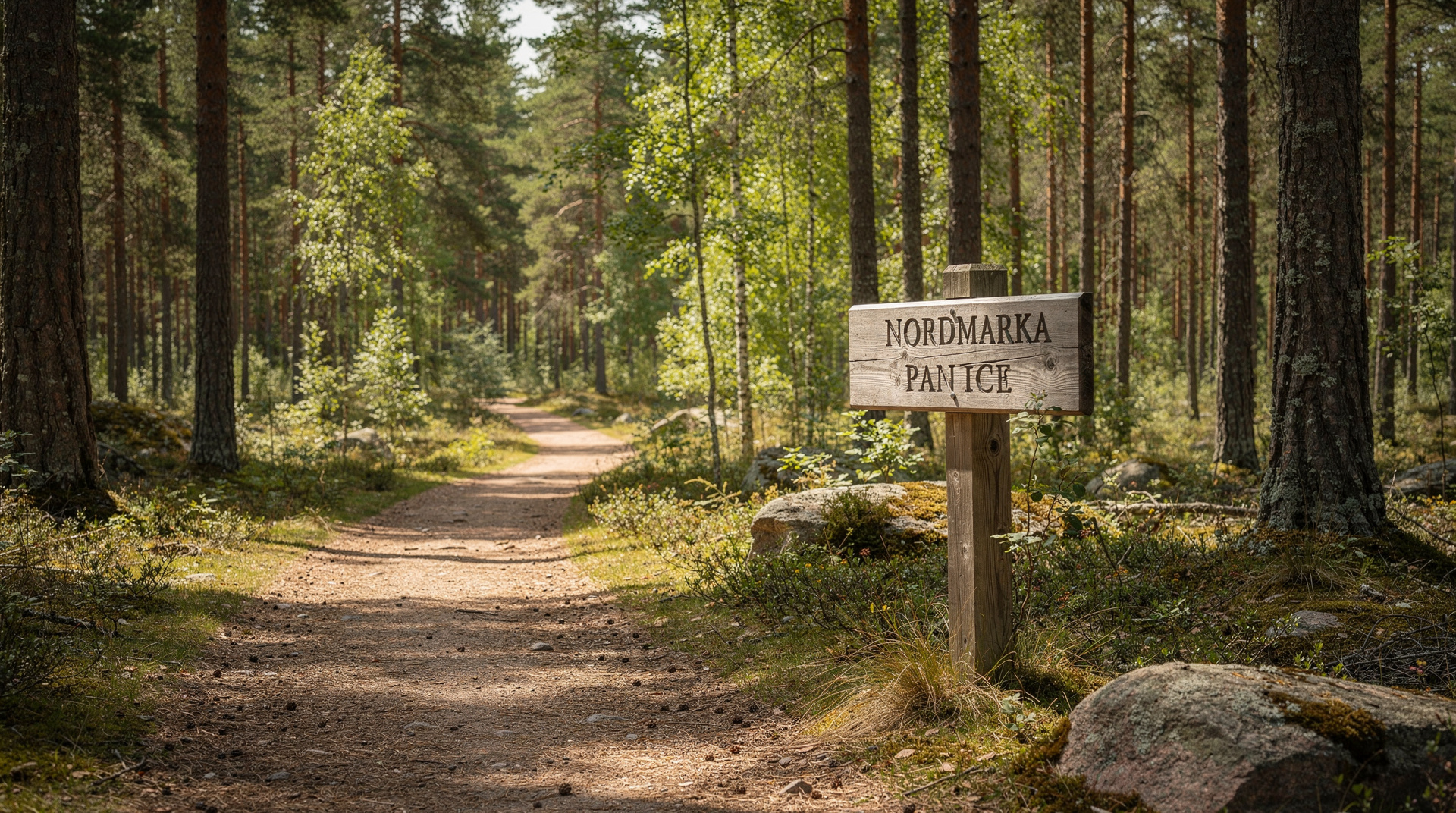
Metro line 3 (T-banen) from Nationaltheatret to Sognsvann (end of line, ~30 minutes). This is the main trailhead for eastern Nordmarka. Alternatively, metro line 1 to Holmenkollen or Voksen Skog for the western trails.
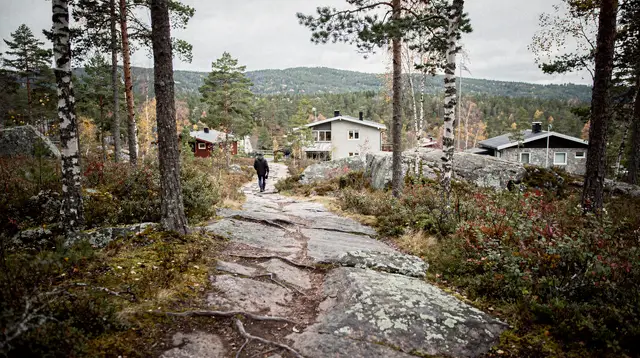
09:35 — Hike to Vettakollen summit
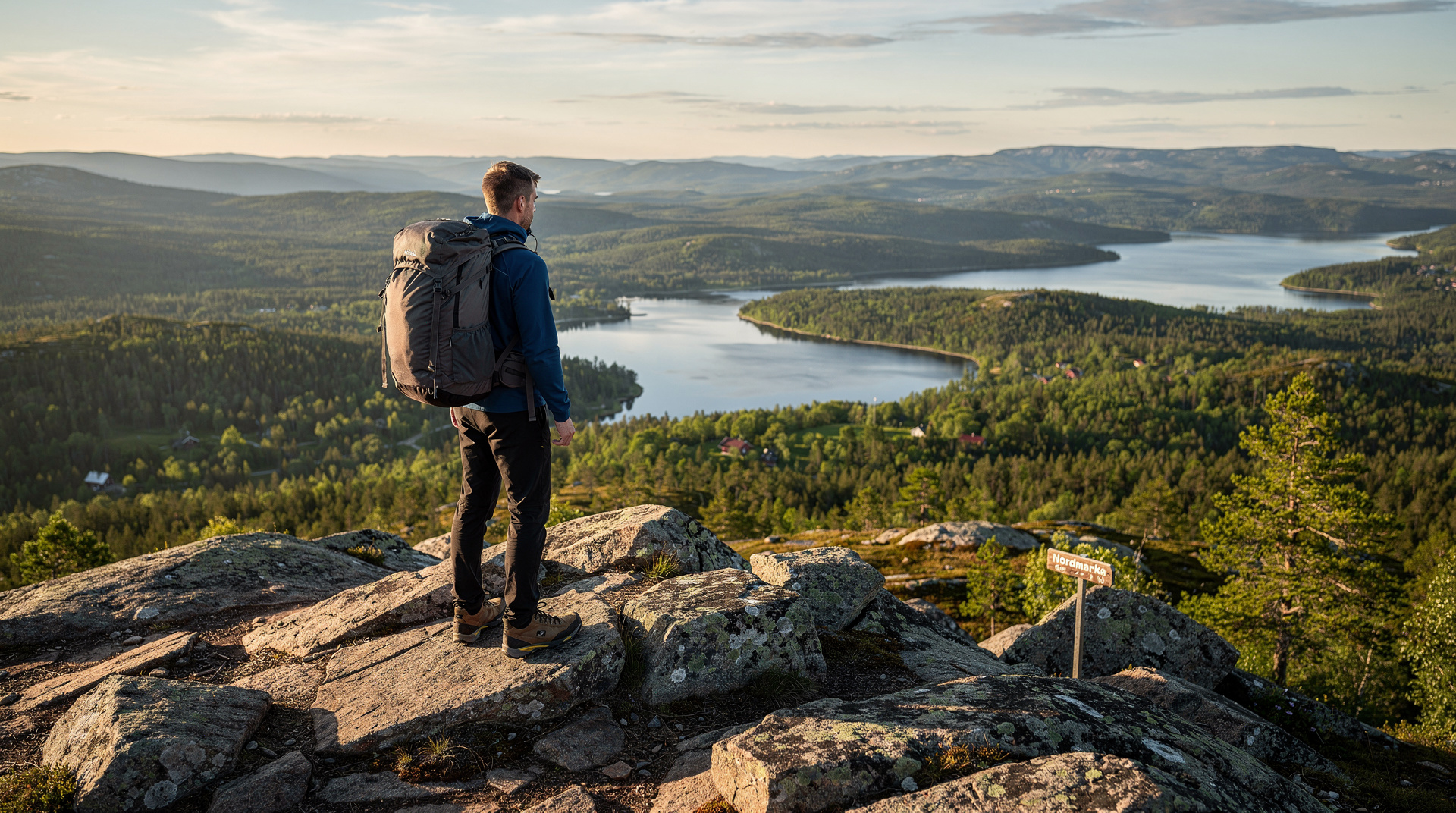
Vettakollen (altitude 477 m) is one of the most accessible summits within the Nordmarka network, offering panoramic views over Oslo and the Oslofjord on a clear day. The guided version of the Vettakollen hike (book through the GYG catalog) takes 3 hours and includes a local guide who explains Norwegian forest ecology, friluftsliv culture, and the history of Oslo’s relationship with Nordmarka.
Self-guided: the trail from Sognsvann to Vettakollen is clearly marked (red circles on trees, DNT cairns). Distance: ~5 km one-way; allow 1.5–2 hours up and 1–1.5 hours down. The path is forested throughout with no exposed ridgeline — suitable for regular trainers in dry conditions.
12:30 — Ullevålseter cabin or packed lunch
Ullevålseter (approx. 4 km from Sognsvann) is a traditional Norwegian skiing cabin open year-round serving waffles, coffee and simple lunch. Waffle with brown cheese: NOK 85 / ~USD 9. Or bring a packed lunch (prepare the night before, or buy from a Kiwi before the metro).
Afternoon: Sognsvann Lake
13:30 — Sognsvann Lake
Return to Sognsvann station. The lake at Sognsvann (Oslo’s most popular swimming lake in summer) is the gathering point for Oslo’s outdoor culture — families, joggers, picnickers, and swimmers on warm days. Water temperature in July: 18–20°C (cold by Mediterranean standards, pleasant by Norwegian). A 5 km circuit of the lake on the flat, well-maintained path takes 60–75 minutes. Free.
15:00 — Metro back to city
Return to city centre (~30 minutes). The afternoon gives time for a museum visit (Day 2 is a good day to combine with the National Museum or Munch Museum if culture complements outdoor days in your preferences) or simply a café stop.
Evening: forest bonfire or city dinner
Option A (summer evening): The guided scenic forest walk with coffee and bonfire waffles departs in the early evening — a 3-hour guided forest walk in the Nordmarka hills above the city, with a bonfire camp stop for coffee and traditional waffles. This is the Oslo locals’ summer evening activity. ~NOK 550–650 / ~USD 59–70.
Option B (any season): Dinner at Mathallen Oslo (Vulkan, Grünerløkka area, 5-minute walk from Akerselva river) with its 35-vendor covered food market and adjacent restaurant options. Budget NOK 160–280 / ~USD 17–30 for a market meal.
Day 3: forest to fjord walk and Holmenkollen
Morning: forest to fjord walk
09:30 — Forest to fjord guided walk
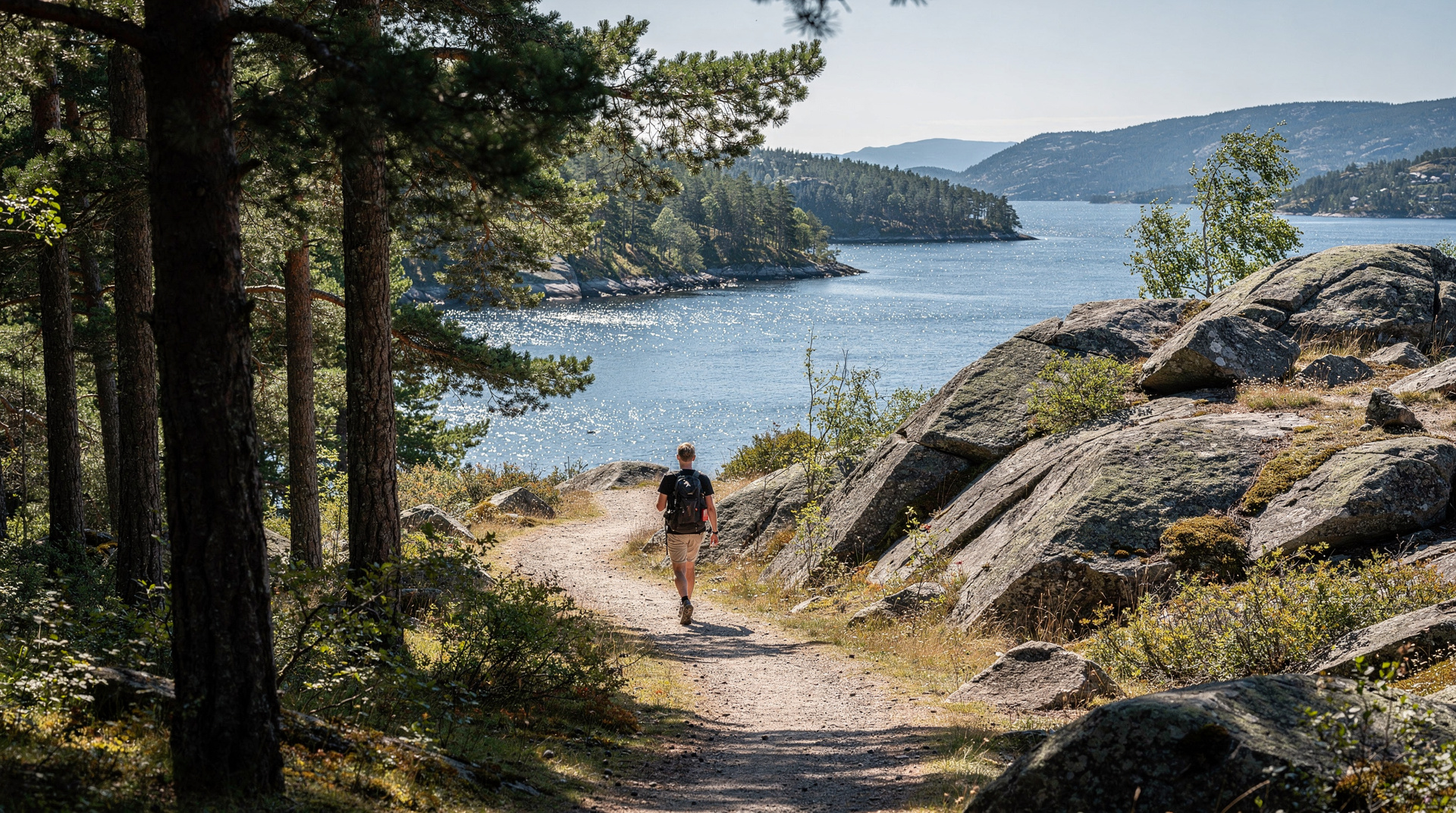
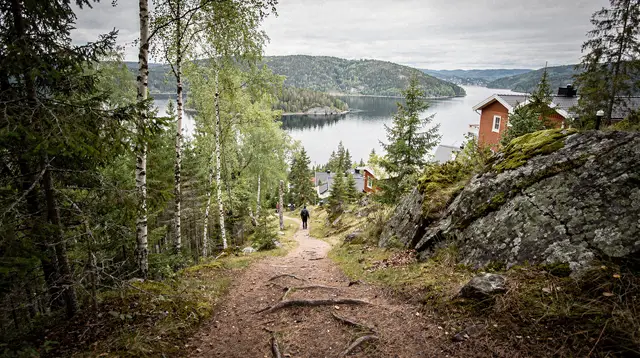
The “forest to fjord” concept is central to Oslo’s identity — the city occupies the band between the inland forested hills and the saltwater fjord. This guided 3-hour walk descends from the forest edges above the city through residential Oslo neighbourhoods to the fjord waterfront. The route reveals the transition from spruce forest to birch forest to city parks to harbour — a micro-ecology transect through the entire Oslo landscape. ~NOK 500–600 / ~USD 54–64.
Self-guided alternative: Walk from Sognsvann metro station down through Voksen Skog, past the Holmenkollen ski jump, through Frognerseteren, and down into Frogner and Aker Brygge. The entire descent is ~12 km and takes 3.5–4 hours — a satisfying day in itself.
Midday: Holmenkollen
12:30 — Holmenkollen
Whether you arrive at Holmenkollen by guided walk or by metro (line 1 from Nationaltheatret, 30 minutes), allow time for the ski jump tower (NOK 150 / ~USD 16, free with Oslo Pass) and the Ski Museum base. On a clear day, the tower viewpoint at 343 metres elevation gives the best panorama over Oslo and the Oslofjord of any accessible city viewpoint. See our Holmenkollen guide.
The Holmenkollen restaurant serves lunch from ~NOK 200 / ~USD 21 for a traditional Norwegian dish with the view.
Afternoon: SUP paddleboard or last fjord activity
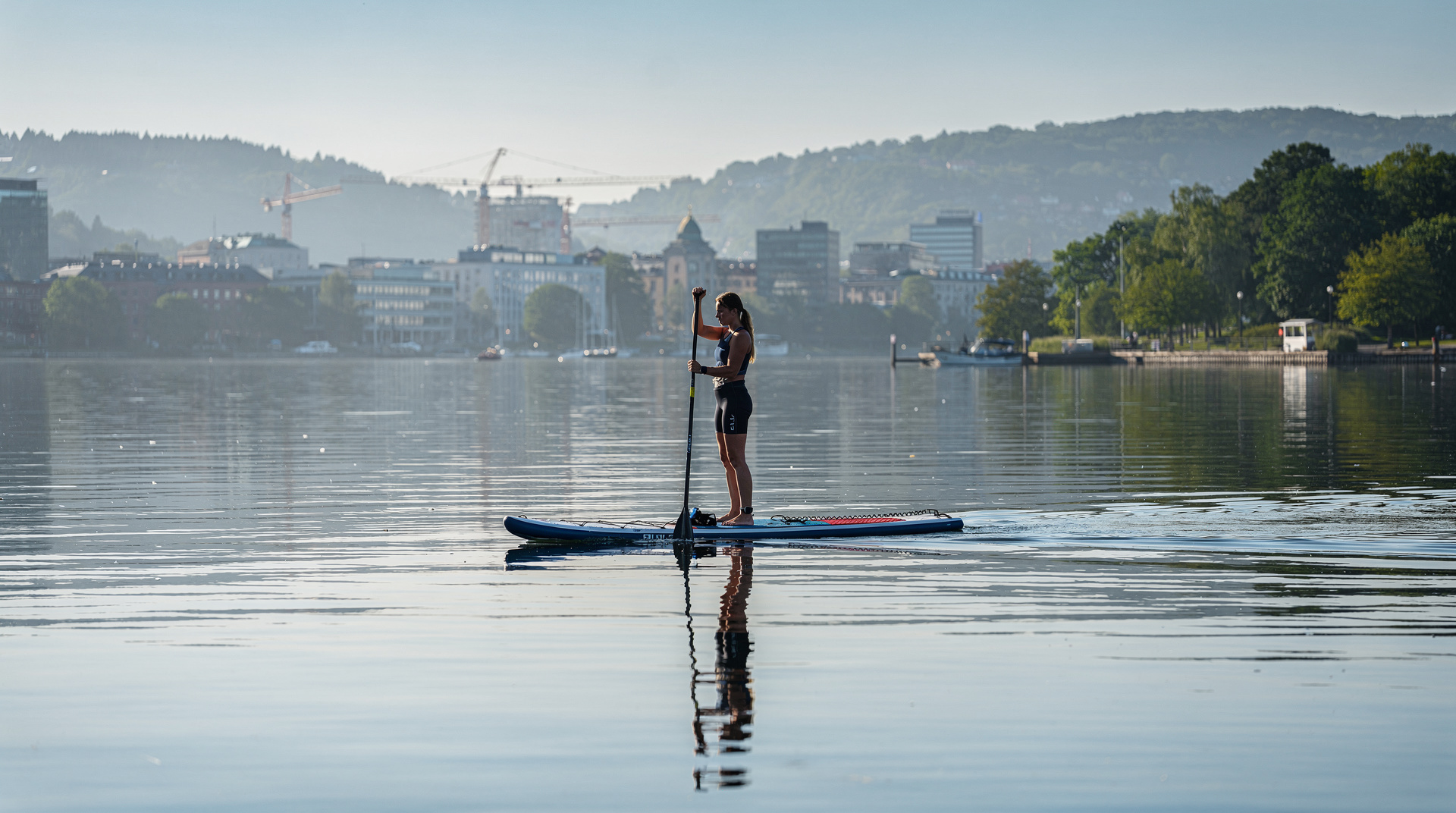
14:30 — Stand-up paddleboarding on the Oslofjord (summer)
Stand-up paddleboard rental (SUP) is available at several points along the Aker Brygge and Tjuvholmen waterfront in summer (June–August). A 2-hour rental with safety briefing costs approximately NOK 400–500 / ~USD 43–54. Less physically demanding than kayaking, and excellent for a final afternoon on the water. See our SUP guide.
In winter: Substitute with a 3-hour cross-country skiing session at Sognsvann (rental and guide available) or a final snowshoe walk.
17:00 — Return to city centre
Evening: active traveller’s farewell dinner
19:00 — Dinner suited to a high-activity day
After three active days, you want food that is satisfying rather than delicate. Best options:
- Smelteverket (Trondheimsveien 2): a converted iron foundry, enormous portions, exceptional craft beer selection. Burgers, ribs, and Norwegian comfort food from NOK 250–380 / ~USD 27–41.
- Lorry (Parkveien 12, Frogner): an Oslo institution since 1977, known for its enormous beer menu (200+ varieties) and solid Norwegian menu. NOK 220–350 / ~USD 24–38 for mains.
- Stopp pressen (Grünerløkka area): neighbourhood bar with excellent food and no tourist pressure.
21:00 — Last evening
Oslo’s Akerselva river path is genuinely pleasant at any hour in summer — the long evening light on the waterfalls and old mill buildings. A final hour’s walk before turning in costs nothing.
Summer vs winter: how the three days change
The itinerary above is written for May–September, but Oslo’s outdoor culture runs year-round, and a winter version of the same three days replaces each water activity with its snow equivalent rather than cancelling the day.
| Day | Summer version | Winter version |
|---|---|---|
| 1 | Oslofjord kayaking | Winter fjord cruise with fish soup, or cross-country skiing |
| 2 | Vettakollen summit hike | Same hike (snowshoes may be needed above the treeline) |
| 3 | Forest to fjord walk, SUP paddleboarding | Cross-country skiing at Sognsvann, snowshoeing from the same trailhead |
The floating sauna on Day 1 works in both seasons and is, if anything, more dramatic in winter — the contrast between the 80–90°C sauna and freezing air is more intense than the summer version. See our Oslo winter activities guide and cross-country skiing guide if you are planning this itinerary between November and March.
How this compares to the standard city itineraries
If you are choosing between this active itinerary and one of the standard sightseeing itineraries, the honest difference is indoor content: this route deliberately skips the Munch Museum, the National Museum, and most of Bygdøy in favour of physical activity. If culture and museums matter as much as the outdoors to you, the standard 3-day itinerary covers the major museums with only Holmenkollen as its outdoor component. Some visitors successfully combine both — doing this active itinerary’s kayak and hike days, then adding a fourth museum-focused day borrowed from the standard itinerary.
Rainy-day contingency
Norwegians hike in rain as a matter of course, and a forest walk in light drizzle is not a reason to cancel Day 2 or Day 3. Genuinely heavy rain is different: if a storm is forecast, the kayak operator will usually confirm by morning whether the tour runs, and the Vettakollen hike is safe but far less rewarding without the summit views. On a washout day, swap the outdoor block for the National Museum or Munch Museum and resume the itinerary the following day if your schedule allows.
Practical notes for active Oslo visitors
Clothing and kit: For kayaking: wear clothes you do not mind getting wet. Windproof top recommended. The tour operator provides a dry bag for valuables and a splash jacket if needed. For hiking: waterproof walking shoes or boots. Backpack with 1.5L water minimum. In summer, 30 SPF sunscreen — the Norwegian sun at 59°N is deceptively strong in June–July.
Weather consideration: Oslo’s weather in May–September is variable. A planned kayak tour in rain is usually fine (the guide will confirm if conditions are safe). A forest hike in light rain is entirely normal — Norwegians hike in all weather. If heavy rain is forecast, the National Museum or Munch Museum make excellent alternatives.
Physical fitness required: The Vettakollen hike requires basic walking fitness — 5 km each way with 350 m elevation gain. The kayak tour requires upper body endurance for 3 hours. Neither requires specialised athletic training.
Total 3-day budget (per person, mid-range): Kayak tour NOK 700 + floating sauna NOK 230 + Vettakollen guided hike NOK 500 + forest/bonfire walk NOK 600 + SUP NOK 450 + Ruter 3-day pass NOK 360 + meals 3 days NOK 2 100 + coffee/snacks NOK 500 = approximately NOK 5 440 / ~USD 585.
Frequently asked questions about active outdoor Oslo
Do I need to be fit to enjoy these activities?
Moderate fitness is sufficient for all activities. The Vettakollen hike has the most sustained elevation gain (350 m) but is at a manageable pace with a guide. Kayaking requires endurance rather than strength — 3 hours of paddling is manageable for most people who can swim. If you have any doubts, communicate with the tour operator before booking.
Is kayaking on the Oslofjord safe?
Yes, with a guide and in the inner harbour. The guided tour operates in protected inner-fjord waters, away from shipping lanes. Participants must be able to swim. Life jackets are provided and required. The tour does not operate in unsafe weather.
Can I hike Nordmarka without a guide?
Yes — Norwegian trails are clearly marked and maps are available at ut.no (the Norwegian trekking association’s digital trail map). The Sognsvann-Vettakollen route is one of the most used in Nordmarka and hard to get lost on. A guide adds context and ecological knowledge but is not required.
What is the best outdoor season in Oslo?
June and July for maximum daylight and warmest water. May and September for fewer crowds and cool, comfortable hiking temperatures. January–March for cross-country skiing. All seasons have specific outdoor offerings — Oslo’s outdoor culture is genuinely year-round. See our best time to visit guide.
Is there a free way to access Nordmarka?
The metro to Sognsvann or Frognerseteren is included in the Ruter pass (NOK 128/day or free with Oslo Pass). Once in the forest, all trails are free to use under Norway’s allemannsretten (public right to roam on uncultivated land). Guided tours cost extra but are not required.
Can I combine active Oslo with museum visits?
Easily. Active mornings and museum afternoons (or vice versa) work well in Oslo’s compact layout. The Munch Museum, National Museum, and Fram Museum all work as afternoon activities after a morning on the water or in the forest.
Do I need to book the kayaking and hiking activities in advance?
The guided kayak tour should be booked at least a few days ahead in peak summer (July–August), as group sizes are limited and good-weather days sell out fastest. The Vettakollen hike can be done independently without any booking, or with a guide booked a day or two ahead. The floating sauna and forest bonfire walk both benefit from booking 2–3 days out. See our kayaking guide for operator-specific booking windows.
Top experiences
Bookable activities with verified prices and instant confirmation on GetYourGuide.
Oslo: 3-hour kayaking trip on the Oslofjord
- Kayak + gear
- Guided
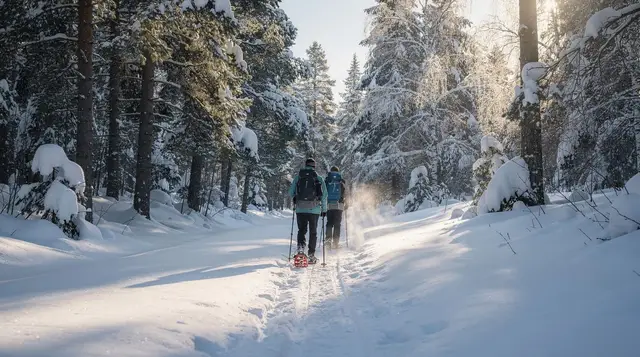
From Oslo: Oslomarka forest guided snowshoeing tour
- Winter only
- Snowshoes included
Oslo: self-service public floating sauna ticket, Tjuvholmen
- Floating sauna
- Fjord swim
Oslo summit: a scenic hiking adventure to Vettakollen
- Panoramic views
- Local guide
Oslo nature walk: forest to fjord
- Forest + fjord
- Local guide