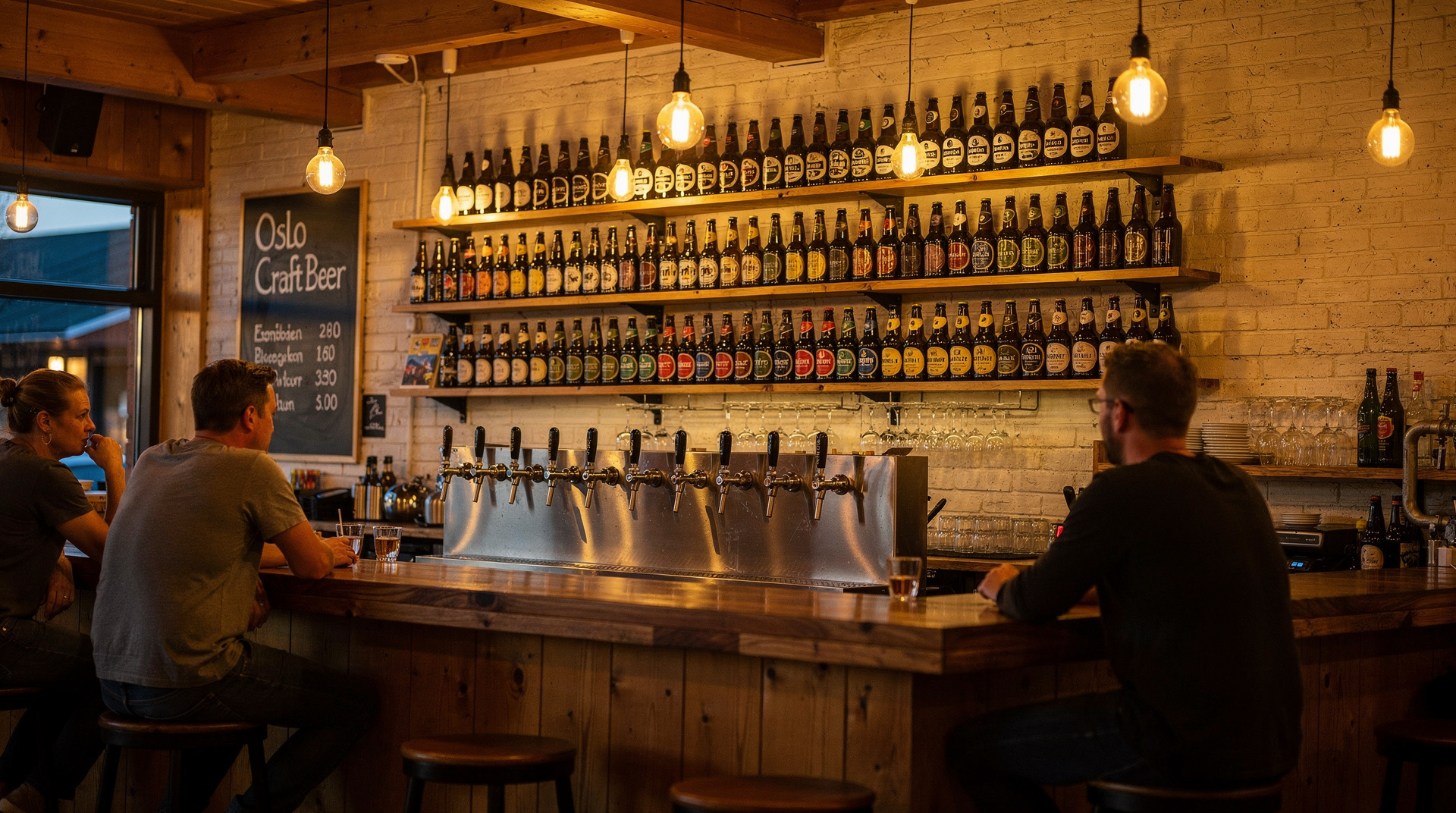
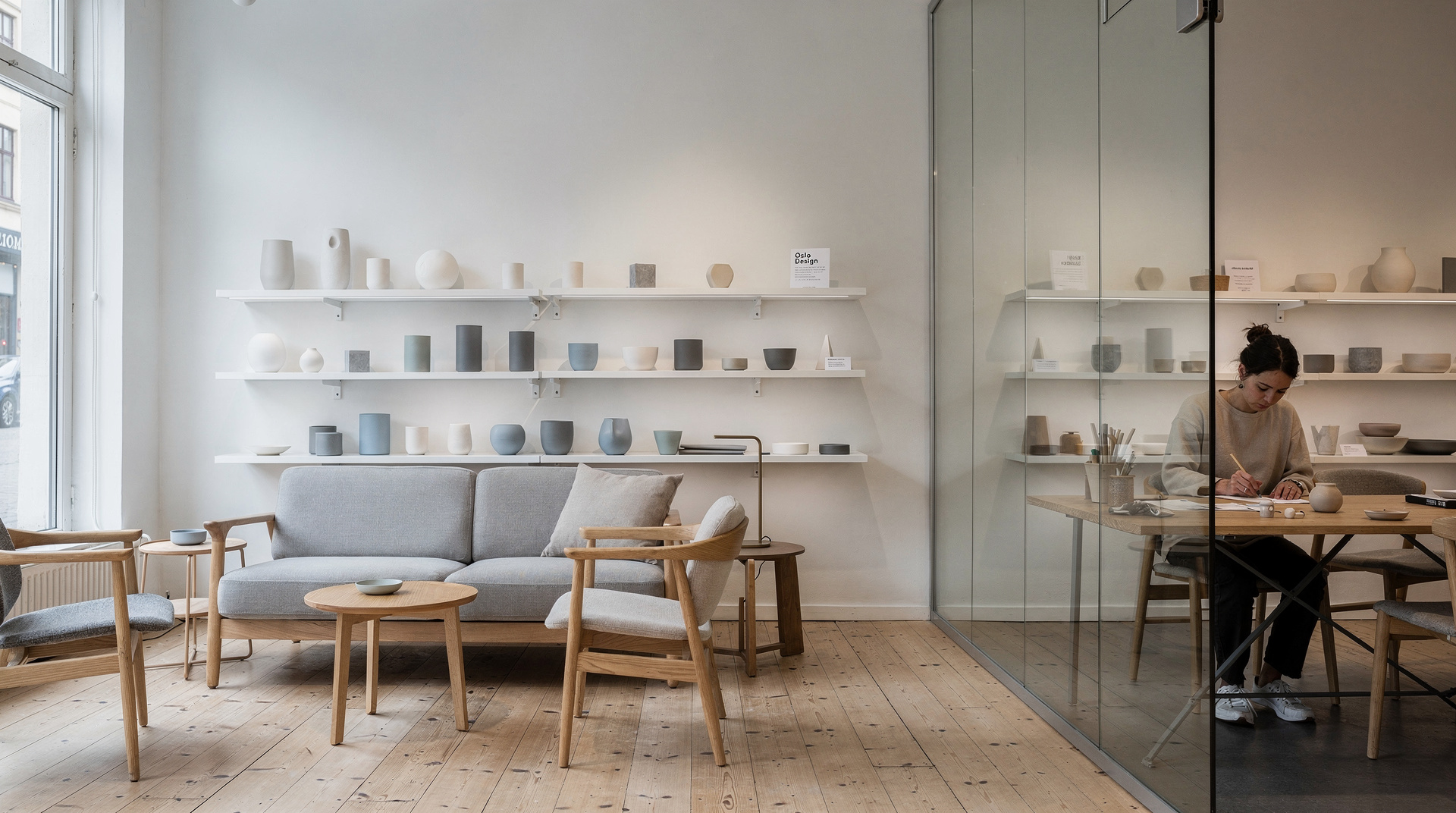
Oslo food and design weekend: 2-day itinerary
Oslo: 3.5-hour walking tour for great food
Duration: 3.5 hours
- Tastings included
- Local guide
Oslo for food lovers and design enthusiasts
Oslo’s food and design culture has changed dramatically in the past decade. The city that was once synonymous with expensive mediocrity now has one of the world’s most interesting specialty coffee scenes, a cluster of Michelin-starred restaurants, and a thriving independent food market culture. Norwegian design has influenced architecture, furniture and product design globally for generations — and Oslo’s museums and shops give direct access to it.
This weekend itinerary covers the best of Oslo for someone whose interests centre on eating well, drinking excellent coffee, and looking at beautiful objects. It is not cheap — this is genuinely a mid-range to splurge weekend — but it is honest about where value exists and where it does not.
Getting around: Tram 12, 13 and 19 connect all the key neighbourhoods on this itinerary. A Ruter 48-hour pass (NOK 240 / ~USD 26) covers all transport. The Oslo Pass (NOK 845 / ~USD 91 for 48h) adds museum entry — useful for Day 2 when the National Museum appears. Check our Oslo Pass guide.
| Where | Grünerløkka, Mathallen/Vulkan, Aker Brygge, Tjuvholmen |
| Cost (mid-range to splurge) | Around NOK 3 000–5 000 / ~USD 323–538 per person |
| Time needed | Two full days |
| Getting there | Flytoget or Vy train to Oslo S, then tram |
| Best time | Year-round, though Mathallen and the food tour are best outside major holidays |
Day 1: food tour, Grünerløkka and Mathallen
Morning: food walking tour with a local
09:30 — Oslo food tasting and walking tour
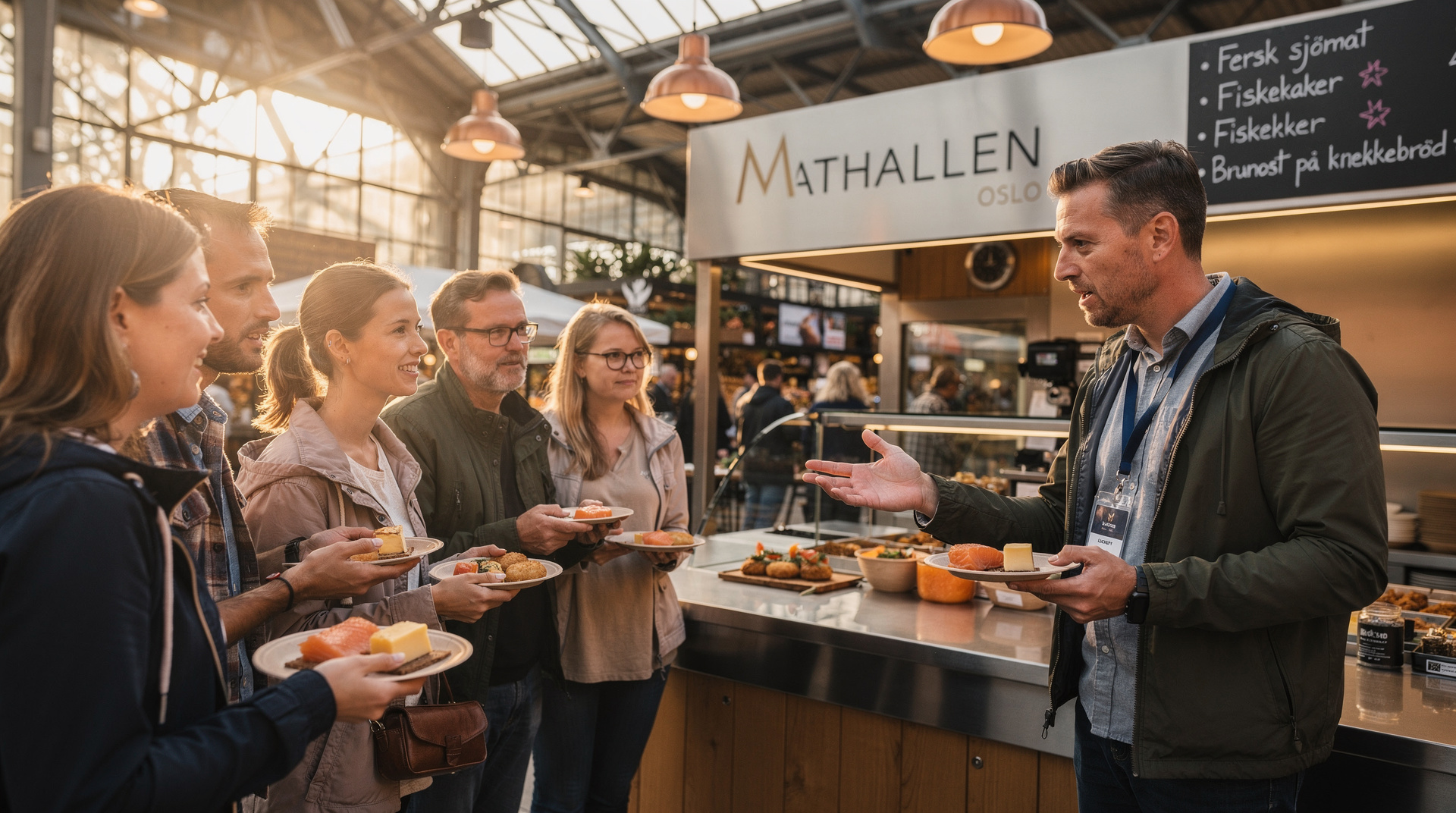
Begin with a 4-hour guided food walking tour led by a local Oslo guide. This is the most efficient way to understand Oslo’s food scene — the guide takes you to 6–8 establishments across central Oslo and Grünerløkka, sampling Norwegian specialties including brown cheese (brunost), gravlaks, smørbrød, Norwegian craft beer, and seasonal baked goods. The tour combines city walking with food stops, covering both the history of Norwegian food traditions and the modern food scene.
Approximately NOK 750–900 / ~USD 81–97. Tours typically run 09:30–13:30. Book in advance — group sizes are limited to 8–12. Our food tour guide compares the main operators.
Key Norwegian foods to try on the tour:
- Brunost (brown cheese): a caramelised whey cheese unique to Norway. Taste it on crispbread.
- Gravlaks: cured salmon with dill. The best version is silky, not sweet.
- Fiskekaker: pan-fried fish cakes, a Norwegian café staple.
- Rømmegrøt: sour cream porridge with butter and sugar — traditional, filling, polarising.
Midday: Mathallen Oslo
13:30 — Mathallen Oslo, Vulkan
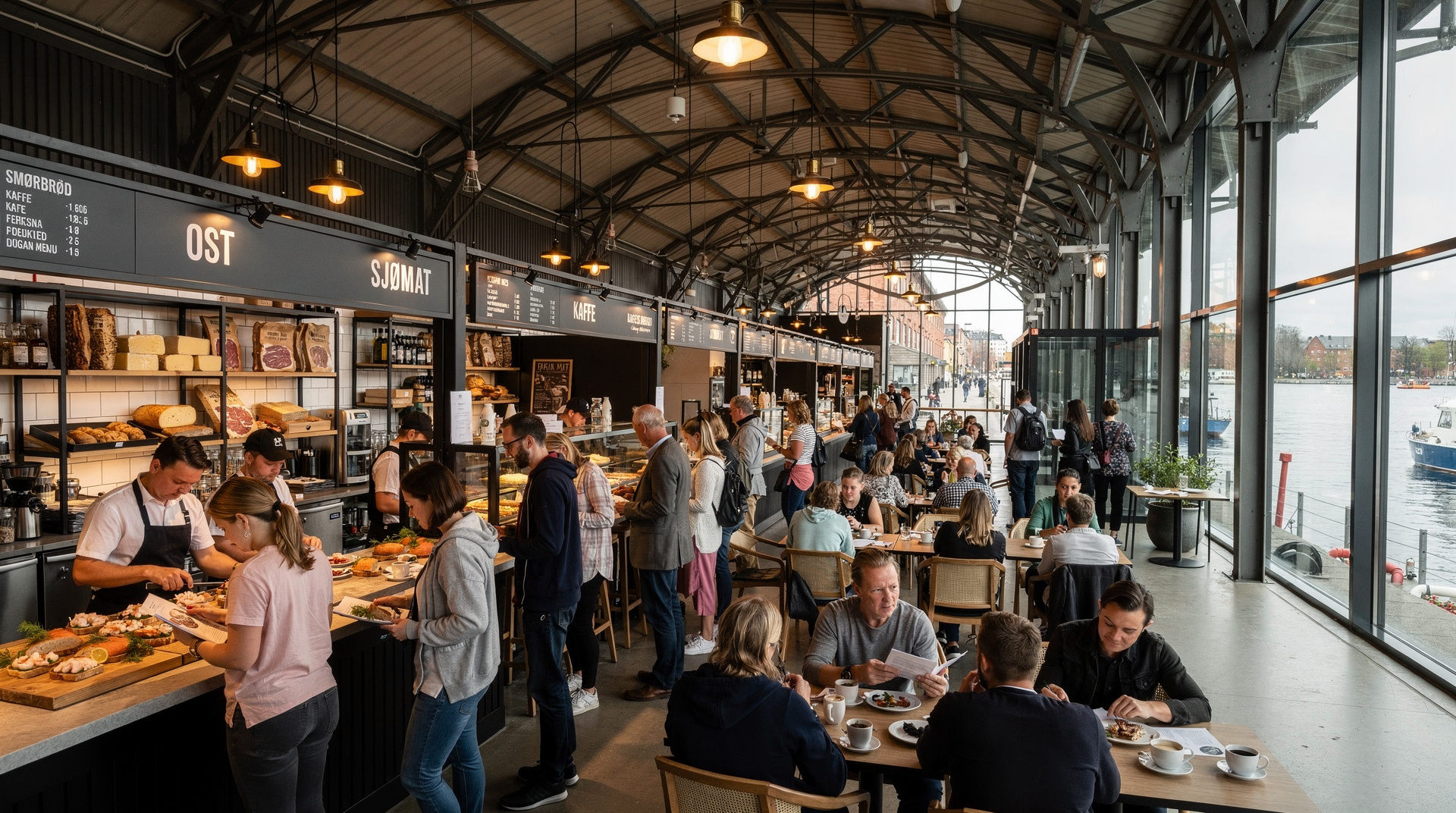
Walk from central Oslo north along the Akerselva river to the Vulkan district, home to Mathallen Oslo — the city’s best covered food market. The two-floor market hall in a converted industrial building houses 35+ specialist food vendors: Norwegian fishmonger, charcuterie, cheese stall, Japanese food bar, Vietnamese pho, natural wine shop, artisan bakeries, and a fantastic pastry counter (Åpent Bakeri).
This is where Oslo’s serious food people shop on weekends. Budget NOK 200–350 / ~USD 21–38 for lunch at one of the stalls. Recommended: the fenalår (cured leg of lamb) from the Norwegian charcuterie counter or a bowl of smoked salmon ramen from Hai Cafe. See our Mathallen guide.
After Mathallen: Walk 5 minutes south into the main Grünerløkka shopping street (Thorvald Meyers gate). Browse the independent design and homeware shops:
- Huset (no. 36) — Norwegian lifestyle and home accessories
- Fretex vintage (Grüners gate) — second-hand Scandinavian furniture and clothing
- Moods of Norway outlet nearby for Norwegian fashion
Afternoon: coffee culture
15:00 — Oslo coffee deep-dive
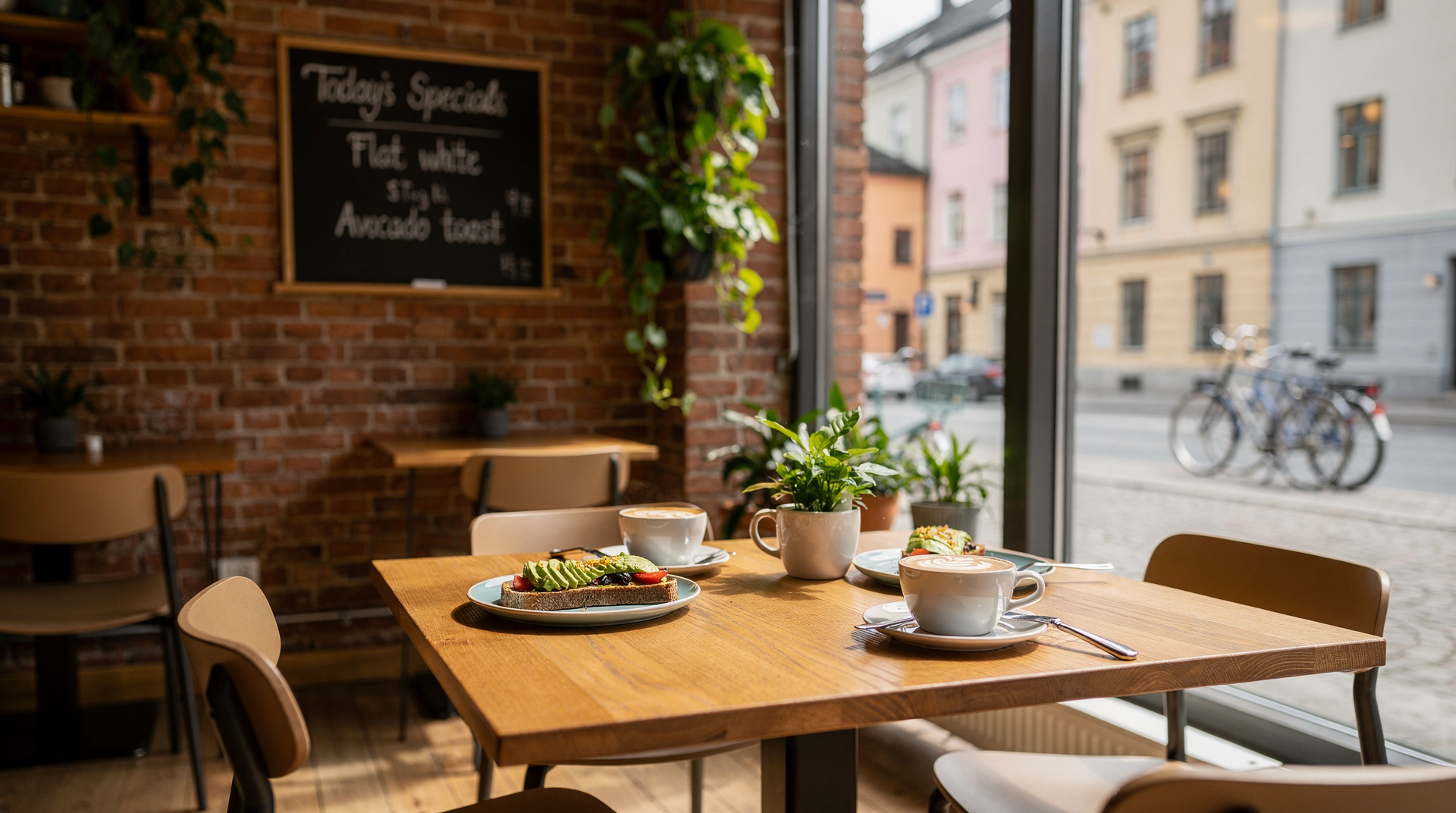
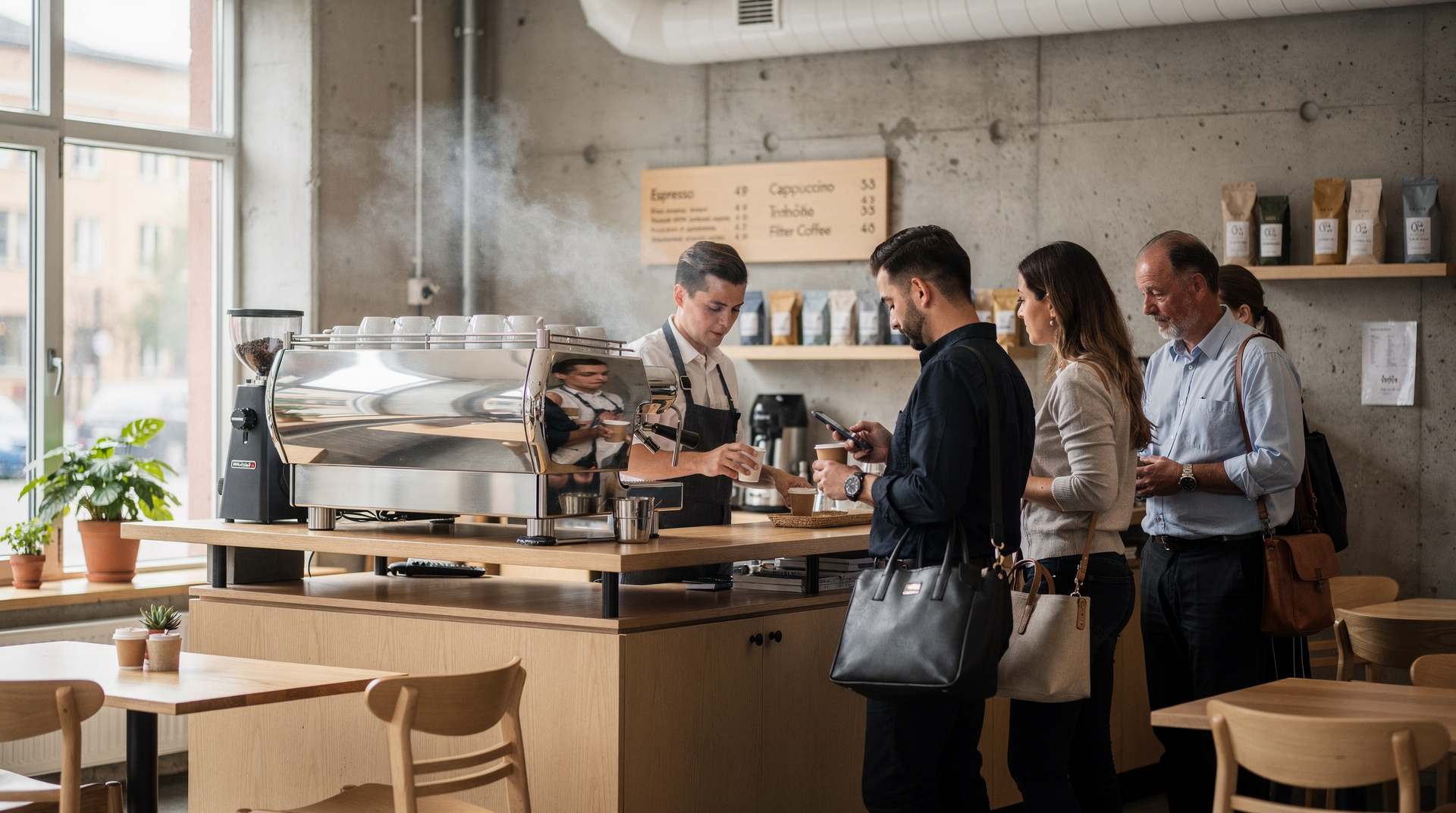
Oslo has one of the world’s highest per-capita coffee consumptions and some of its most rigorous specialty cafés. This is not marketing — Norway’s coffee culture predates the third-wave movement and the quality is consistently remarkable.
Three stops (do one or all three, depending on your capacity):
Tim Wendelboe (Grüners gate 1): The original and arguably the most important café in Oslo’s specialty scene. Tim Wendelboe won the World Barista Championship in 2004. The café is small, the coffee is extraordinary. Filter coffees from an in-house roast: NOK 55–70 / ~USD 6–7.5. No food beyond biscuits — this is a coffee-only space.
Fuglen (Universitetsgata 2, city centre): A design bar-café in a 1960s furnished space. Excellent single-origin espresso by day, Japanese whisky and cocktails by night. Coffee NOK 60–75 / ~USD 6.5–8. The furniture — all original 1960s Norwegian pieces — is for sale.
Supreme Roastworks (Thorvald Meyers gate 36): The neighbourhood roastery with a terrace. Good for sitting with a filter coffee and watching Grünerløkka pass by. NOK 60–75 / ~USD 6.5–8.
16:30 — Akerselva river walk
Walk from Grünerløkka down the Akerselva river path to the Vulkan-Nydalen stretch — old mill buildings, converted creative-industry spaces, waterfalls, and street art. The river corridor is Oslo’s most interesting free urban walk. Allow 45 minutes.
Evening: Grünerløkka food and drink
18:30 — Dinner in Grünerløkka
Grünerløkka is Oslo’s best neighbourhood for a good dinner at non-tourist prices.
Mid-range: Smelteverket (Trondheimsveien 2, Torshov — slightly north of Grünerløkka) is a legendary Oslo venue in a converted iron foundry: enormous wood-fire kitchen, 350+ beers, excellent burgers and ribs. NOK 250–380 / ~USD 27–41 for mains. Always busy — book ahead or arrive at 18:00 when it opens.
Casual: Villa Paradiso (Olaf Ryes plass 8) is Oslo’s most famous Neapolitan pizza restaurant. Always a queue on weekends (they do not take reservations). Arrive before 18:30 or accept a wait. Pizza from NOK 200–280 / ~USD 21–30.
Norwegian: Bon Lío (Grünerløkka area) for modern Norwegian small plates. Tasting menu ~NOK 650 / ~USD 70 pp.
21:00 — Beer at a neighbourhood bar
Grünerløkka has Oslo’s best neighbourhood bar culture. Options: Crowbar and Bryggeri (Torggata 2, specialist craft beer bar with 30 taps), Bettola (Thorvald Meyers gate, neighbourhood wine bar), or just Olympen down in Grønland for a classic pub atmosphere. NOK 95–130 / ~USD 10–14 per beer.
Day 2: National Museum, design shopping and a farewell meal
Morning: National Museum (design wing)
09:30 — Nasjonalmuseet, Design and Decorative Arts
The National Museum at Aker Brygge reopened in 2022 in a building three times the size of the previous collection. The design and decorative arts collection on the ground floor is one of Norway’s best — covering 150 years of Norwegian furniture, applied arts, glass, ceramics and industrial design. Key pieces: early 20th-century national romantic furniture, 1950s–60s Norwegian modernism (Arne Korsmo, Torbjørn Afdal), and contemporary Norwegian product design.
Admission: NOK 200 / ~USD 21 (free with Oslo Pass). Allow 90 minutes. See our broader guide to Oslo’s design scene.
11:15 — National Museum gift shop
The Nasjonalmuseet gift shop stocks very good design reproductions, art books (Norwegian design history, Munch editions), and original Norwegian design products. Not cheap, but genuine. It is one of the few museum shops in Oslo where the products match the collection quality.
Midday: Aker Brygge and harbour lunch
12:30 — Lunch at Aker Brygge
For a mid-range lunch with a view: Hav (Stranden 13) serves Norwegian seafood at midday at lunch prices that are slightly more reasonable than dinner (NOK 250–380 / ~USD 27–41 for a fish main). Alternatively, try the lunch deal at any of the Aker Brygge restaurants — most run a dagmeny (daily lunch special) for NOK 160–210 / ~USD 17–23.
14:00 — Walk to Tjuvholmen and design gallery
Tjuvholmen has several good design and art galleries. Galleri K (Tjuvholmen allé) represents Norwegian artists. The area’s architecture — a mix of Herzog and de Meuron-influenced new buildings and older warehouse adaptations — is worth a 30-minute walk to understand how Oslo handles waterfront development.
Afternoon: Grünerløkka food culture tour
15:00 — Grünerløkka food and culture walking tour
The afternoon 3-hour guided tour of Grünerløkka covers the neighbourhood’s transformation from working-class district to Oslo’s creative hub, with food stops at local producers and specialty shops. This tour is less focused on eating (unlike the morning tour option on Day 1) and more on understanding how Grünerløkka became what it is: Oslo’s answer to Berlin’s Prenzlauer Berg or London’s Shoreditch, but with Norwegian design sensibility layered through it.
Approximately NOK 600–700 / ~USD 64–75. If you already did the Day 1 food tour and want to focus on shopping instead, this tour is optional — you can self-guide Grünerløkka with our food guide.
Evening: farewell dinner
18:30 — Farewell dinner: splurge or mid-range
For a special occasion dinner: Maaemo (3 Michelin stars, Schweigaards gate, tasting menu ~NOK 3 200–3 500 / ~USD 344–376 with wine pairing extra) is one of Scandinavia’s best restaurants. Book at least 2 months ahead.
For an excellent but accessible dinner: Arakataka (Mariboes gate 7) — modern Norwegian with a changing seasonal menu, excellent wine list, NOK 340–520 / ~USD 37–56 for mains. The restaurant consistently wins Oslo dining awards without the Maaemo price point.
For a memorable but affordable dinner: Brasserie Rivoli (Arbins gate 1, Frogner) — a French-Norwegian brasserie with a prix-fixe three-course dinner for NOK 450 / ~USD 48 that overdelivers on quality. Smart dining room, no tourist stress.
20:30 — Nightcap
For a final drink: Himkok (Storgata 27) is one of Norway’s best cocktail bars, known for cocktails using Norwegian aquavit and local spirits. Cocktails from NOK 160–200 / ~USD 17–21. Dark, atmospheric, and the perfect place to end a food and design weekend in Oslo.
Splurge vs mid-range: two ways to run this weekend
Food and design in Oslo can be done at very different price points without losing the theme. The table below shows how the same two days flex up or down.
| Element | Mid-range approach | Splurge approach |
|---|---|---|
| Day 1 morning | Self-guided Mathallen and coffee crawl | Guided 4-hour food walking tour (~NOK 800) |
| Day 1 dinner | Villa Paradiso pizza (~NOK 240) | Bon Lío tasting menu (~NOK 650 pp) |
| Day 2 dinner | Brasserie Rivoli prix-fixe (~NOK 450) | Maaemo 3-Michelin-star tasting menu (~NOK 3 200+) |
| Accommodation | Anker Hostel or PS:Hotell | The Thief, Tjuvholmen |
Most visitors land somewhere in between — a guided food tour on Day 1 (worth the cost for the context alone) paired with a mid-range rather than splurge dinner each night. Reserve the true splurge, Maaemo, for a specific occasion rather than defaulting to it; it needs booking at least two months ahead regardless.
If you only have one day, not two
Compressing this into a single day is possible if you prioritise ruthlessly: do the food walking tour in the morning, Mathallen for lunch, and pick either the National Museum’s design wing or a Grünerløkka coffee crawl for the afternoon — not both. Skip the second day’s food culture tour entirely; it is the most easily cut element since the Day 1 food tour already covers the essential culinary orientation. See the 1-day itinerary for how a single day in Oslo is typically structured if food and design are only part of a broader visit.
Where to stay for a food and design weekend
Best location: Grünerløkka itself for an authentic neighbourhood stay, or Aker Brygge/Sentrum for easier access to Day 2’s museums.
- Budget: Anker Hostel (Storgata 55, near Grünerløkka, dorm NOK 350 / ~USD 38, private from NOK 900 / ~USD 97)
- Mid-range: PS:Hotell (Dronning Eufemias gate 32, Bjørvika, doubles from NOK 1 200 / ~USD 129) — good design and central
- Design-focused splurge: The Thief (Landgangen 1, Tjuvholmen, doubles from NOK 2 800 / ~USD 301) — an art hotel with works by Damien Hirst throughout the building
See our full accommodation guide.
Frequently asked questions about Oslo food and design
What is Oslo’s food scene actually like?
Better than its reputation. The combination of world-class seafood, a rigorous specialty coffee culture, strong Nordic restaurant tradition, and recent wave of innovative chefs has made Oslo a genuinely interesting food city. It is expensive by any comparison, but quality is high. See our where to eat in Oslo guide.
Is Norwegian food worth trying?
Yes, for seafood especially: Norwegian salmon, shrimp, cod, mackerel, and langoustine are among the world’s best. Traditional meat dishes (reindeer, lamb, game) are excellent in the right restaurant. Fast food Norwegian (Grandiosa frozen pizza, hot dogs, kebab) is just normal fast food.
What is brunost (brown cheese) and should I try it?
Brown cheese is a Norwegian product made from caramelised whey — it tastes more like fudge than cheese. It is genuinely distinctive and worth trying at least once. Most visitors either love it immediately or politely decline a second slice. Tim Wendelboe will know where to find the best version near the café.
Is Oslo a good city for coffee?
Among the best in the world. Norway has the second-highest per-capita coffee consumption in the world (after Finland). Tim Wendelboe, Fuglen, Supreme Roastworks, and Kaffebrenneriet are all internationally recognised. See our Oslo coffee guide.
Where can I buy good Norwegian design to take home?
Husfliden (Møllergata 4) for traditional textiles and crafts. The National Museum gift shop for reproductions. Moods of Norway for clothing. Pur Norsk (Bogstadveien) for Norwegian design products. Avoid the airport shops — they are overpriced. See our Oslo design scene for more.
What is the best food market in Oslo?
Mathallen Oslo in Vulkan is the best for quality and variety — 35 vendors, excellent produce, prepared food. Youngstorget outdoor market (Thursday and Saturday mornings) is more traditional and cheaper. Grünerløkka Loppemarked (flea market, Saturday mornings at Birkelunden) is good for vintage finds.
Is this itinerary suitable for a couple with different interests (one foodie, one design-focused)?
Yes — the two threads separate naturally. Mathallen, the food tour and the neighbourhood dinners satisfy the food-focused half, while the National Museum’s design wing, Tjuvholmen’s galleries and the coffee shop furniture (much of it for sale) satisfy the design-focused half. Very little on this itinerary requires both people to share the same specific interest at the same time, which makes it more flexible as a couple’s weekend than a single-theme itinerary would be.
Top experiences
Bookable activities with verified prices and instant confirmation on GetYourGuide.
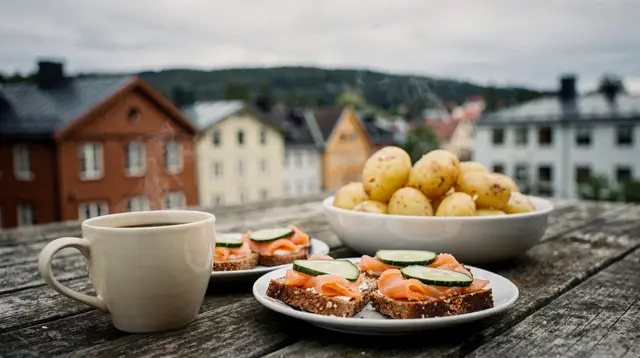
Oslo: 3.5-hour walking tour for great food
- Tastings included
- Local guide
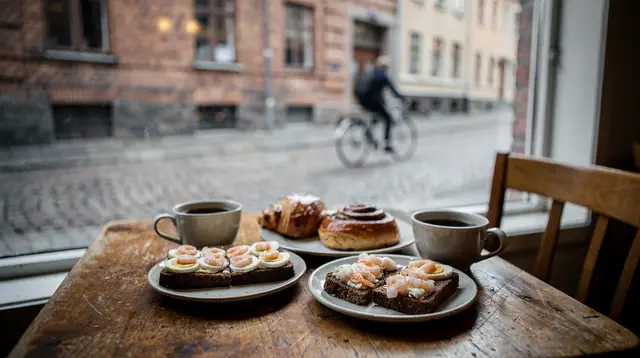
Oslo: Grünerløkka food and culture walking tour
- Grünerløkka
- Tastings included
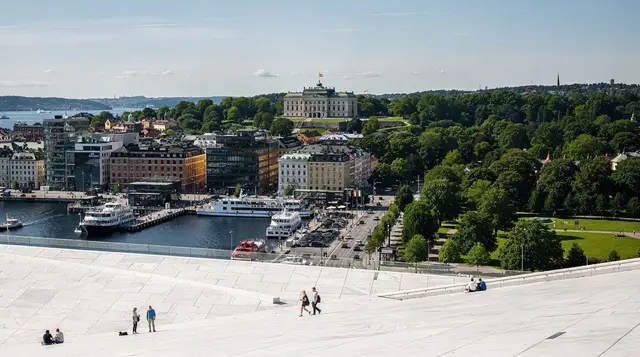
Oslo: 3-hour highlights bike tour
- Small group
- Bike included
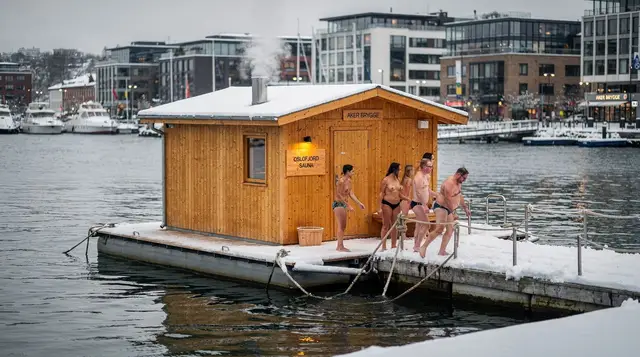
Oslo: self-service public floating sauna ticket, Tjuvholmen
- Floating sauna
- Fjord swim
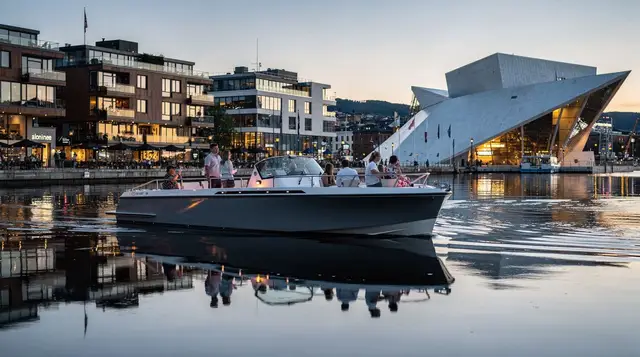
Oslo: guided sightseeing fjord cruise on a premium silent electric boat
- Silent electric boat
- Free cancellation
- Best seller