Oslo vs Stockholm — which Nordic capital for your trip?
Oslo: Oslo Pass with public transport and free museum entry
Duration: 24-72 hours
- Instant confirmation
- Free public transport
- Skip museum queues
Should I visit Oslo or Stockholm?
Stockholm is larger, cheaper, has more to do per day, and better architecture in the old town (Gamla Stan). Oslo is smaller, more expensive, but has the unique advantage of immediate access to fjord and forest nature. If budget is tight, Stockholm; if you want nature alongside city, Oslo.
The honest comparison travellers actually want
When you are choosing between Oslo and Stockholm, you are really choosing between two visions of Scandinavia. Both cities are clean, safe, progressive, expensive, and architecturally interesting. The differences lie in scale, cost, natural setting, and what you can realistically do in a week.
| Oslo | Stockholm | |
|---|---|---|
| Population (metro) | ~1.0 million | ~2.4 million |
| Cost level | 20–35% pricier on hotels/food | Cheaper across the board |
| Old town | Rebuilt 19th–20th c. | Gamla Stan, 14th–15th c. |
| Nature immediacy | Forest + fjord 30 min by metro | Archipelago, 1.5–3 hrs by ferry |
| Getting between them | ~5hr 45 train or 1-hr flight | Same |
Size and scale: Stockholm is bigger
Stockholm has a population of roughly 1.0 million in the urban core and 2.4 million in the wider metro area. Oslo has 700,000 in the city and 1.0 million in the greater area. This translates to a noticeably larger range of restaurants, bars, museums, and neighbourhoods in Stockholm.
Gamla Stan — Stockholm’s medieval old town — is architecturally more preserved and more extensive than anything comparable in Oslo. Oslo’s older centre was largely rebuilt in the 19th and early 20th centuries; Gamla Stan’s winding alleys and coloured buildings date to the 14th and 15th centuries and are genuinely atmospheric. If historic urban architecture matters to you, Stockholm wins clearly.
Stockholm’s neighbourhoods also offer more variety: Södermalm has an equivalent role to Oslo’s Grünerløkka (creative, independent, food-forward) but is larger. Östermalm is grander. Djurgården island contains multiple world-class museums — the Vasa Museum, ABBA Museum, Skansen — within easy walking distance of each other.
Cost: Oslo is significantly more expensive
This is the clearest difference and the one that most affects budget planning.
Hotels: a mid-range hotel in central Stockholm runs approximately SEK 1,800 to 2,800 per night (approximately USD 165 to 257 at May 2026 rates). An equivalent in central Oslo runs NOK 1,800 to 2,800 (approximately USD 194 to 301). The differential is real.
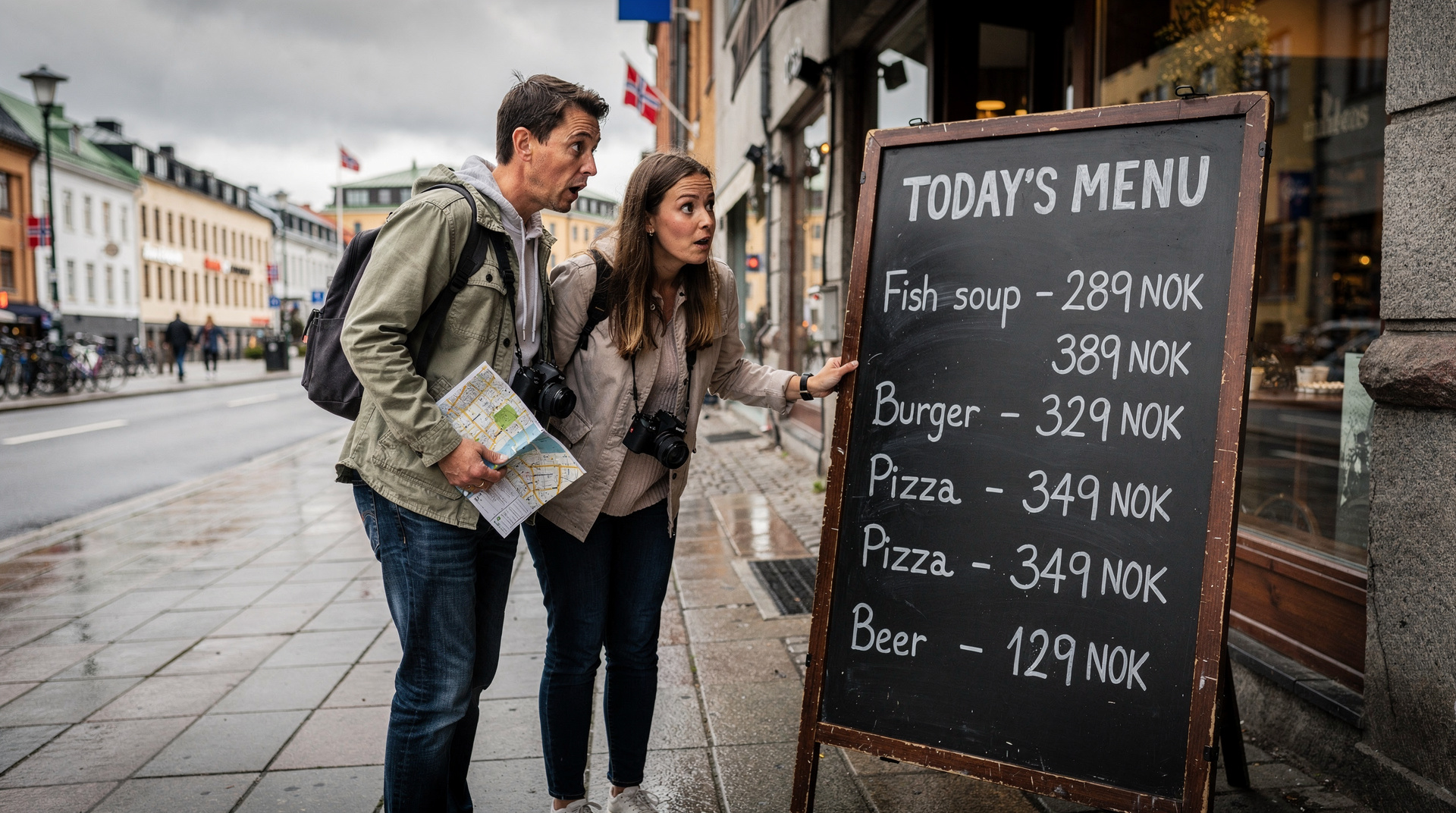
Food: a restaurant main course in Stockholm costs SEK 160 to 280 (approximately USD 15 to 26). In Oslo, the equivalent runs NOK 200 to 350 (approximately USD 22 to 38). A 30–40% premium in Oslo.
Beer: a bar pint in Stockholm costs SEK 70 to 100 (approximately USD 6.50 to 9). In Oslo, the same pint is NOK 90 to 130 (approximately USD 10 to 14). Norway’s alcohol pricing is a specific pain point — the state Vinmonopolet monopoly and high taxes make bar drinking meaningfully pricier.
Public transport: Stockholm’s SL 24-hour pass costs SEK 165 (approximately USD 15). Oslo’s Ruter 24-hour pass costs NOK 135 (approximately USD 15). Broadly comparable.
For budget travellers or those visiting for a week or more, the Oslo premium adds up significantly. For shorter trips where accommodation and a few meals dominate the budget, the difference is more manageable.
Nature: Oslo’s decisive advantage
Oslo’s position between Nordmarka forest and the Oslofjord gives it a nature access that no Nordic capital can fully match for immediacy. From the city centre, you can reach cross-country ski trails, forest hiking, and fjord swimming within 30 minutes by metro. This is not an exaggeration — the T-bane literally ends at the forest edge.
Stockholm has the archipelago, which is extraordinary: 30,000 islands accessible by Waxholmsbåten ferries. But the most spectacular archipelago islands (Sandhamn, Utö, Grinda) require 1.5 to 3 hours each way, which turns them into a day-long commitment. Oslo’s islands are 15–25 minutes from Aker Brygge.
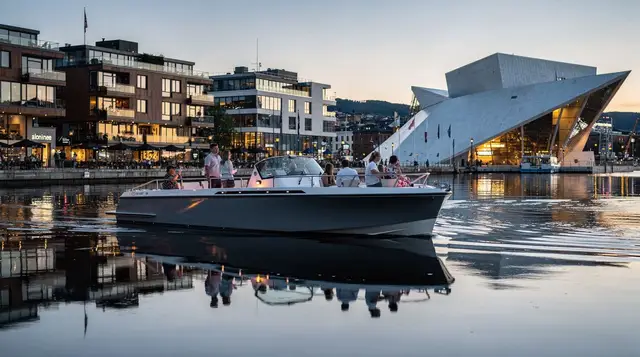
For visitors who want nature integrated into a city trip rather than as a separate expedition, Oslo has a structural advantage. The Oslo islands, the Nordmarka forests, and the fjord swimming spots at Sørenga are genuinely part of the city experience, not day-trip detours.
Culture and museums
Stockholm has more museums by volume and some clear global stars: the Vasa Museum (a 17th-century royal warship raised intact from the harbour bottom) is one of Europe’s most remarkable museum experiences. ABBA: The Museum is excellent for what it is. Moderna Museet (Swedish art and international modern art) is a serious contemporary collection.
Oslo’s museum quality is high but the roster is smaller. The Munch Museum in Bjørvika holds over 26,000 works by Edvard Munch — the world’s largest collection — and the building itself is striking. The National Museum is the most comprehensive collection in Norway. Note: the Viking Ship Museum remains closed until approximately 2027.
Verdict: Stockholm wins on museum volume; Oslo has specific standouts. If the Vasa Museum is on your wish list, Stockholm is the only option.
Food scenes
Both cities have excellent food scenes, with Oslo edging ahead in terms of Michelin density per capita (Norway has a remarkable concentration of Michelin-starred restaurants for its population). Maaemo in Oslo has held three Michelin stars and defines New Nordic cuisine.
At mid-range level, Stockholm offers more value. The traditional Swedish smörgåsbord, husmanskost (home cooking) restaurants, and the Östermalms Saluhall food market all deliver good food at lower prices than Oslo equivalents. For food quality per krona spent, Stockholm is the stronger option.
Oslo’s strengths are the Norwegian food experiences that cannot be replicated elsewhere: fresh shrimp on the fjord boats, traditional Norwegian smoked salmon at Fiskeriet, and the Mathallen food hall’s eclectic mix. But you pay for them.
Making Oslo work on a Stockholm-level budget
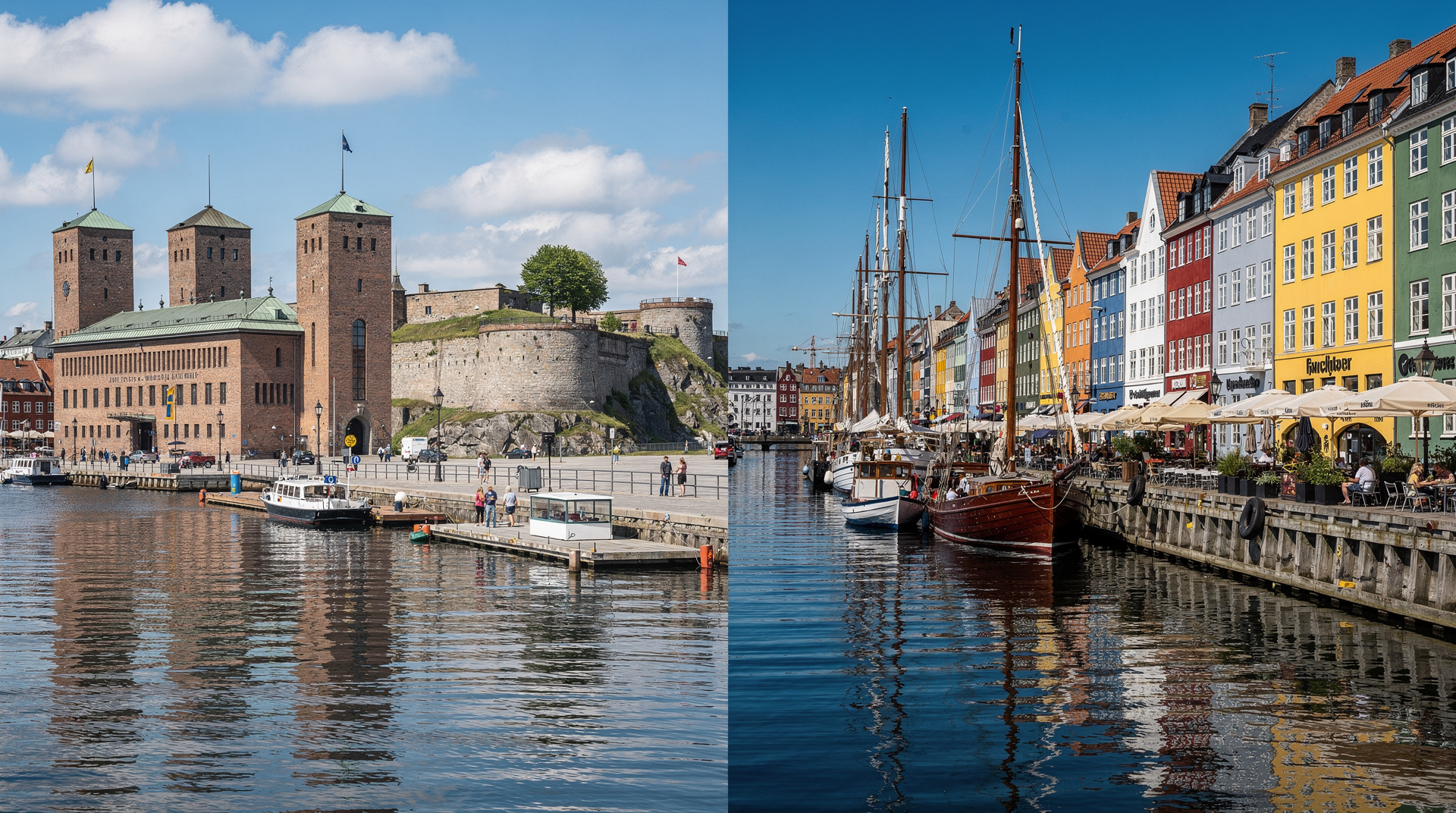
If Stockholm’s lower prices are pulling you that way but Oslo’s nature access is the draw, a few adjustments narrow the gap: use the Ruter transport pass instead of taxis, treat museum-heavy days as Oslo Pass days (see the Oslo Pass guide), and shift evening drinking to supermarket-bought wine before dinner rather than bar rounds. Oslo’s free assets — Vigeland Park, the Opera House roof, Akershus Fortress grounds, and the fjord islands themselves — do a lot of heavy lifting once accommodation and one or two paid activities are budgeted for.
Stockholm travellers chasing archipelago depth should note the reverse isn’t really possible: there is no way to compress a genuine Stockholm archipelago day below its 1.5–3 hour ferry commitment, so budget the time even if you’re keeping costs low.
How the two cities feel on the ground
Numbers only get you so far, so it helps to describe the rhythm of each place. Stockholm is spread across islands and waterways, and a day there tends to involve crossing bridges, hopping on a ferry or riding the metro between quite different districts. You move from the cobbled lanes of the old town to the leafy museum island to the independent shops of the south, and each stop feels like its own small town. Oslo is tighter. The harbour, the main boulevard, the opera house and the main museums sit close enough that you can link several of them in a single walking day, and the transitions are less dramatic.
That compactness is a genuine advantage for a short trip. If you only have a long weekend, Oslo lets you see the essentials without spending much of the day on public transport, and our Oslo in 2 days itinerary shows how much fits comfortably. Stockholm tends to reward people who are happy to wander without a fixed list, since its pleasures are spread out and often come from the districts themselves rather than from ticking off sights.
Atmosphere and pace
Both capitals are calm, orderly and polite, and neither is a nightlife city in the way southern Europe is. Stockholm feels a little more cosmopolitan and busy, with a bigger crowd out on terraces and in markets on a summer evening. Oslo feels more outdoorsy and relaxed: people leave work and head for the water, a sauna or a trail rather than a bar. If you picture your ideal evening as a long dinner in a lively district, Stockholm may suit you better. If you picture it as a swim from the rocks followed by a quiet meal, Oslo delivers, and our Oslo swimming spots guide shows how easy that is.
Neighbourhoods worth comparing
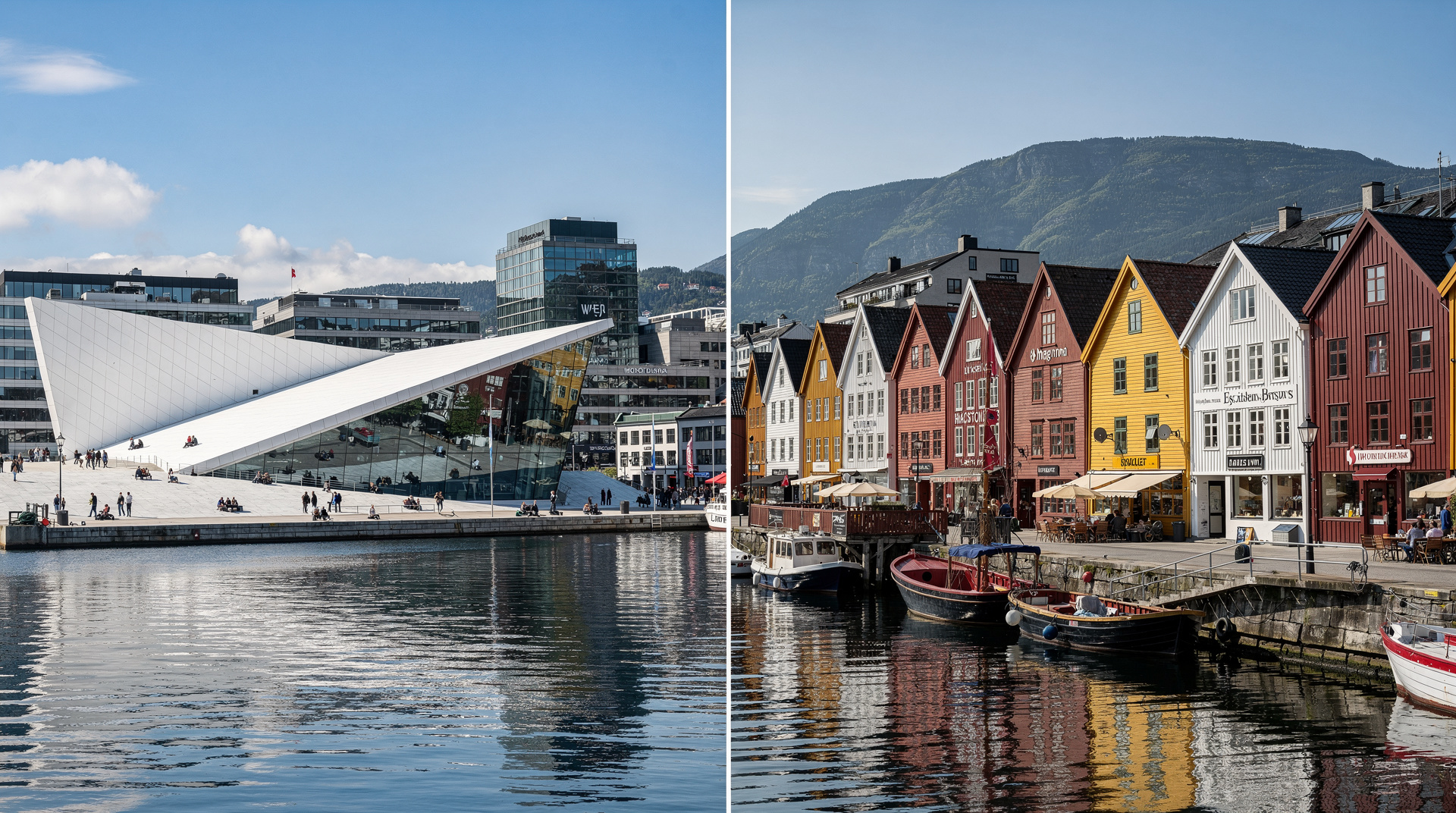
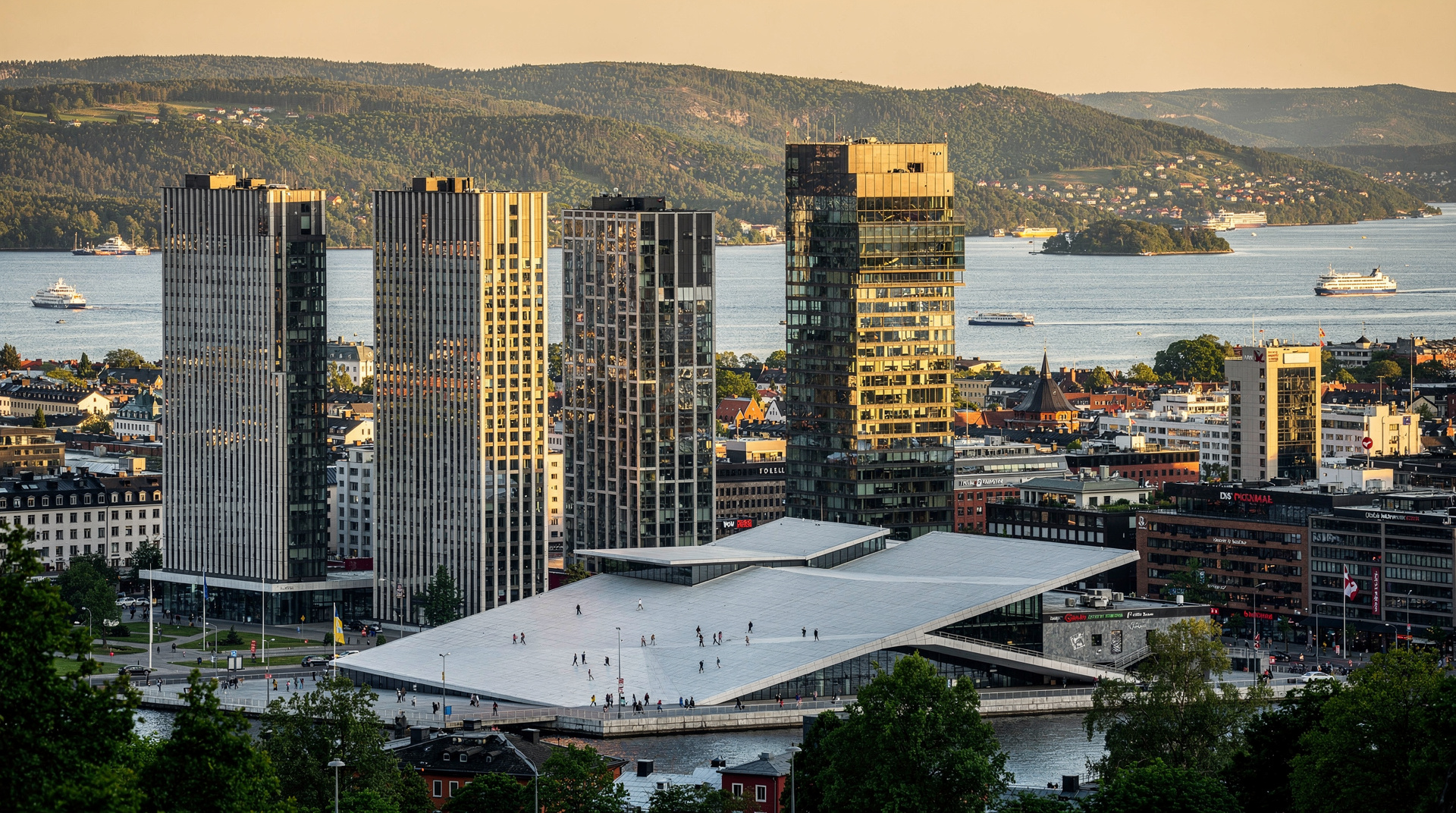
The creative, independent quarter is the natural point of comparison. In Oslo that is Grünerløkka, which you can explore through our Grünerløkka neighbourhood guide and the Grünerløkka food guide. For the polished, upmarket side of the city, Oslo’s counterpart to a grand residential district is Frogner, covered in the Frogner neighbourhood guide, where Vigeland Park provides the green space. Waterfront modernity is Oslo’s other strength, and the area around the opera house and the harbour is worth a look in our Oslo Opera House guide.
What Oslo does that Stockholm cannot
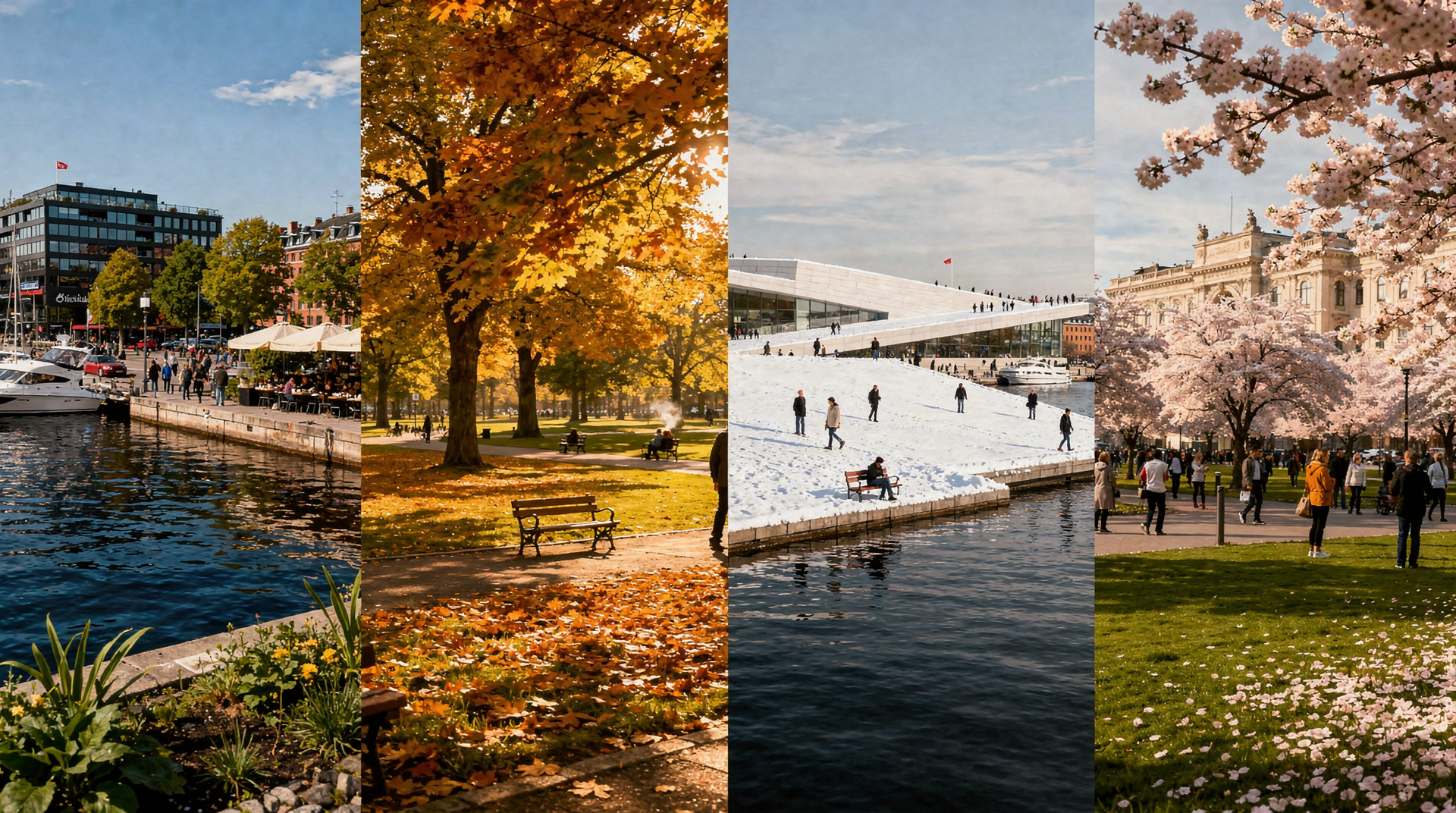
It is fair to ask what you would genuinely miss by choosing Stockholm. The answer is mostly the winter and the water. Oslo is a real winter-sports city, with forest trails that turn into cross-country ski routes once snow settles, and you can read more in our cross-country skiing guide and the Oslo winter activities guide. Few capitals let you finish a ski outing and be back in the centre for dinner.
The floating saunas on the fjord are another signature experience. Sitting in a hot cabin and then dropping into cold water with the city skyline behind you is a very Oslo thing to do, and the floating saunas guide explains how to go about it. Add a fjord cruise, a paddle or a swim from one of the islands, and the case for Oslo as a nature-in-the-city destination becomes concrete rather than a slogan.
What Stockholm does that Oslo cannot
Equally, Oslo cannot offer the density of an intact medieval old town, the sheer range of museums within a short walk of each other, or the scale of an archipelago that stretches far out to sea. If you love wandering through historic lanes, browsing food markets and visiting several museums in a day, Stockholm gives you more of all of it. The archipelago also offers a different kind of escape, with quiet islands, summer houses and long ferry rides that feel like a trip within the trip, even if they demand a whole day.
Choosing by season
Season changes the answer. In midsummer both cities are at their best, with very long evenings and terraces full of people. In winter the contrast widens: Oslo has snow, ski trails and a cosy, candlelit atmosphere, while Stockholm’s strengths shift toward indoor attractions, markets and its old town in the dark months. Our best time to visit Oslo guide and the Oslo summer vs winter comparison help you decide which Oslo you want before you compare it with Stockholm. If you are drawn mainly by lights and darkness, remember that Oslo is too far south for the northern lights, as explained in our northern lights guide.
Planning a trip that includes Oslo
If you settle on Oslo, the next questions are practical. Where to stay matters because the city is small but its districts differ a lot, so read the where to stay in Oslo guide before booking. To keep spending in check, the Oslo on a budget guide and the Oslo daily costs guide break down where money actually goes. And if you are weighing Oslo against another Nordic option rather than Stockholm, our comparisons with Bergen and Copenhagen follow the same honest approach.
Getting between the two cities
The SJ high-speed Snälltåget train from Oslo Central to Stockholm Central takes approximately 5 hours 45 minutes. Prices vary enormously by booking lead time — as low as NOK/SEK 300 to 400 (approximately USD 32 to 43) well ahead, up to NOK/SEK 1,200 to 1,500 at short notice. Book through SJ (Sweden) or Vy (Norway).
Flights take 1 hour (plus airport time). Norwegian Air and SAS typically offer competitive prices on this route — often cheaper than the train when booked in advance.
Combining both cities in one trip
Doing both works best when you treat the journey between them as part of the holiday rather than a gap. Give each city enough nights to settle in, avoid cramming a museum marathon into the day you travel, and decide beforehand which city you want to end in. Many people prefer to finish in Oslo, since the fjord and the forest make a relaxed final stretch after the more intensive sightseeing of a larger city. Others prefer the opposite order, saving Stockholm’s old town and museums as the grand finale.
Whichever order you choose, plan Oslo around a clear theme. A first visit tends to work well with a mix of the big sights and one or two outdoor days, and our top things to do in Oslo guide is a good place to start. If you want a structured plan, the Oslo in 3 days itinerary covers the highlights without rushing, while the Oslo budget weekend shows how to keep costs down. Travellers who like to prepare for the practicalities should also read about Oslo airport to city transfers so that arrival day stays simple.
Verdict by traveller type
First-time Scandinavia visitor with 5–7 days: Oslo and Stockholm together are the natural itinerary. Train between them via Örebro or Gothenburg and spend 3 days in each.
Budget traveller: Stockholm is materially more affordable. Go to Oslo if it is specifically on your list, but do not expect equivalent value for money.
Nature lover: Oslo, clearly. The combination of Nordmarka forest and Oslofjord gives a nature experience that requires more planning to replicate in Stockholm.
Culture and museum focus: Stockholm has more volume, Oslo has Munch. Both reward a week of museum-going.
Architecture and history: Stockholm’s Gamla Stan is in a different league from Oslo’s surviving historic fabric. Choose Stockholm.
Culinary explorer on a budget: Stockholm offers better value. Oslo’s food scene is arguably more innovative at the top end, but at every price point below Michelin, Stockholm gives you more for your money.
For Oslo-specific planning, see how many days in Oslo and our is Oslo worth visiting guide for an equally honest assessment.
Frequently asked questions about Oslo vs Stockholm — which Nordic capital for your trip?
Which is more expensive, Oslo or Stockholm?
Oslo is meaningfully more expensive. A mid-range hotel in Oslo typically runs 20–35% more than an equivalent in Stockholm. Meals, alcohol, and transport are all notably pricier in Oslo. Stockholm is still expensive by global standards, but Oslo is in a different league.Which city has more to see and do?
Stockholm edges ahead on sheer volume — more museums, a bigger old town, a larger archipelago, more diversity of neighbourhoods, and a larger restaurant scene. Oslo is more compact and some visitors appreciate that, but Stockholm rewards longer visits.Which has better public transport?
Both have excellent metro networks (T-bane in Oslo, Tunnelbana in Stockholm). Stockholm's is larger and more comprehensive. The SL Stockholm pass and Oslo Ruter pass both offer unlimited travel. Day passes are cheaper in Stockholm.Which city has better nature access?
Oslo has an edge on immediately accessible nature. Nordmarka forest starts at the edge of the city, reachable by T-bane in 30 minutes. The Oslofjord is visible from the city centre. Stockholm has the archipelago (30,000+ islands) which is spectacular but requires longer ferry journeys.Which is better in summer?
Both are excellent in summer. Oslo's summer has the edge for fjord activities and the near-white-night phenomenon. Stockholm's summer has more city life, more open-air markets, and more diverse neighbourhoods to explore. Neither disappoints.Is it worth visiting both?
Yes, if you have 8 or more days. Oslo and Stockholm are connected by train (about 5.5 hours, SJ high-speed service) and have flights of under 1 hour. They are similar enough in character to feel like a coherent Scandinavian trip but different enough to complement each other.
Top experiences
Bookable activities with verified prices and instant confirmation on GetYourGuide.