Oslo Pass review: is it worth buying in 2026?
Oslo: Oslo Pass with public transport and free museum entry
Duration: 24-72 hours
- Instant confirmation
- Free public transport
- Skip museum queues
| Where | Valid across Oslo, Ruter zones 1–3 |
| Cost | NOK 595 (24hr) / 845 (48hr) / 1 045 (72hr) |
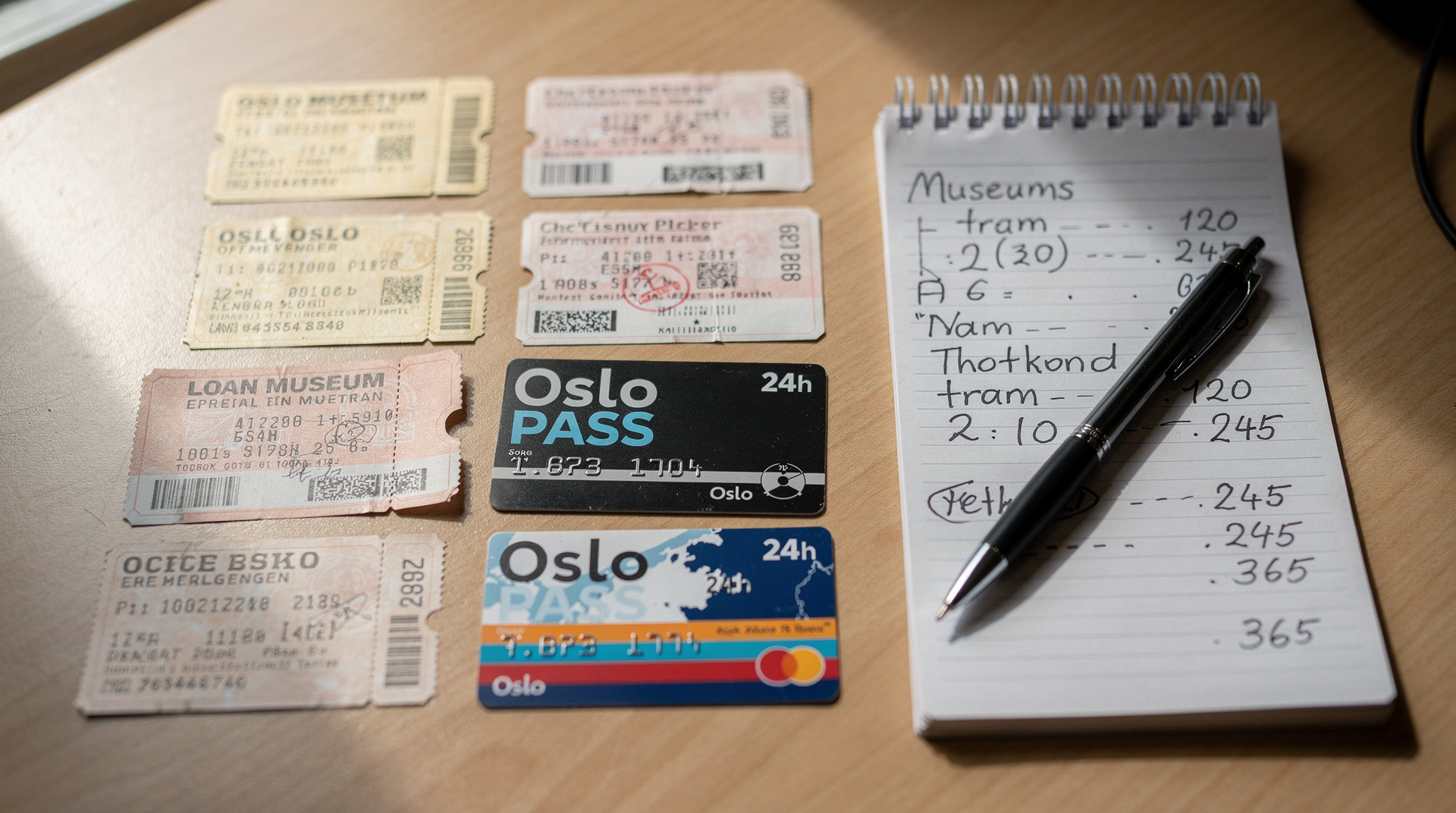
| Time needed | Breaks even around 2.5+ paid attractions plus transport |
| Getting there | Buy at visitoslo.com or the VisitOslo app |
| Best time | Museum-and-transport-heavy days, not outdoor-only days |
What the Oslo Pass actually covers
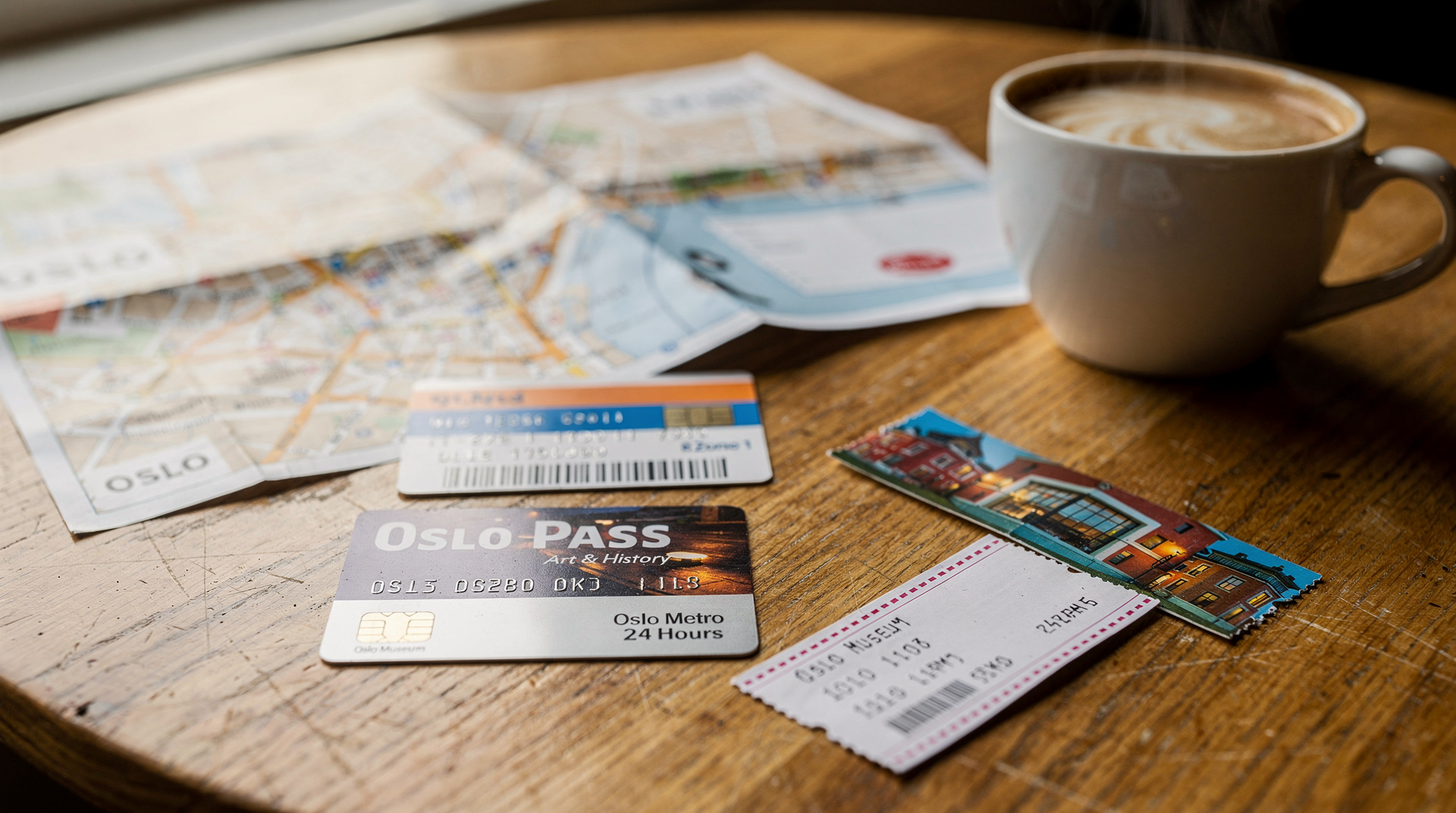
The Oslo Pass is a prepaid city card sold by VisitOslo that bundles free admission to around 30 attractions with unlimited use of the Ruter public transport network. You buy it for 24, 48, or 72 hours, and the clock starts the first time you activate it — either by scanning it on a Ruter validator or presenting it at a venue.
In 2026, the headline prices are: NOK 595 (USD 64) for 24 hours, NOK 845 (USD 91) for 48 hours, and NOK 1 045 (USD 112) for 72 hours. A children’s pass (ages 4 to 15) runs roughly half those figures. Under-4s enter most Oslo attractions free even without a pass, which is one of the more visitor-friendly policies in Scandinavia.
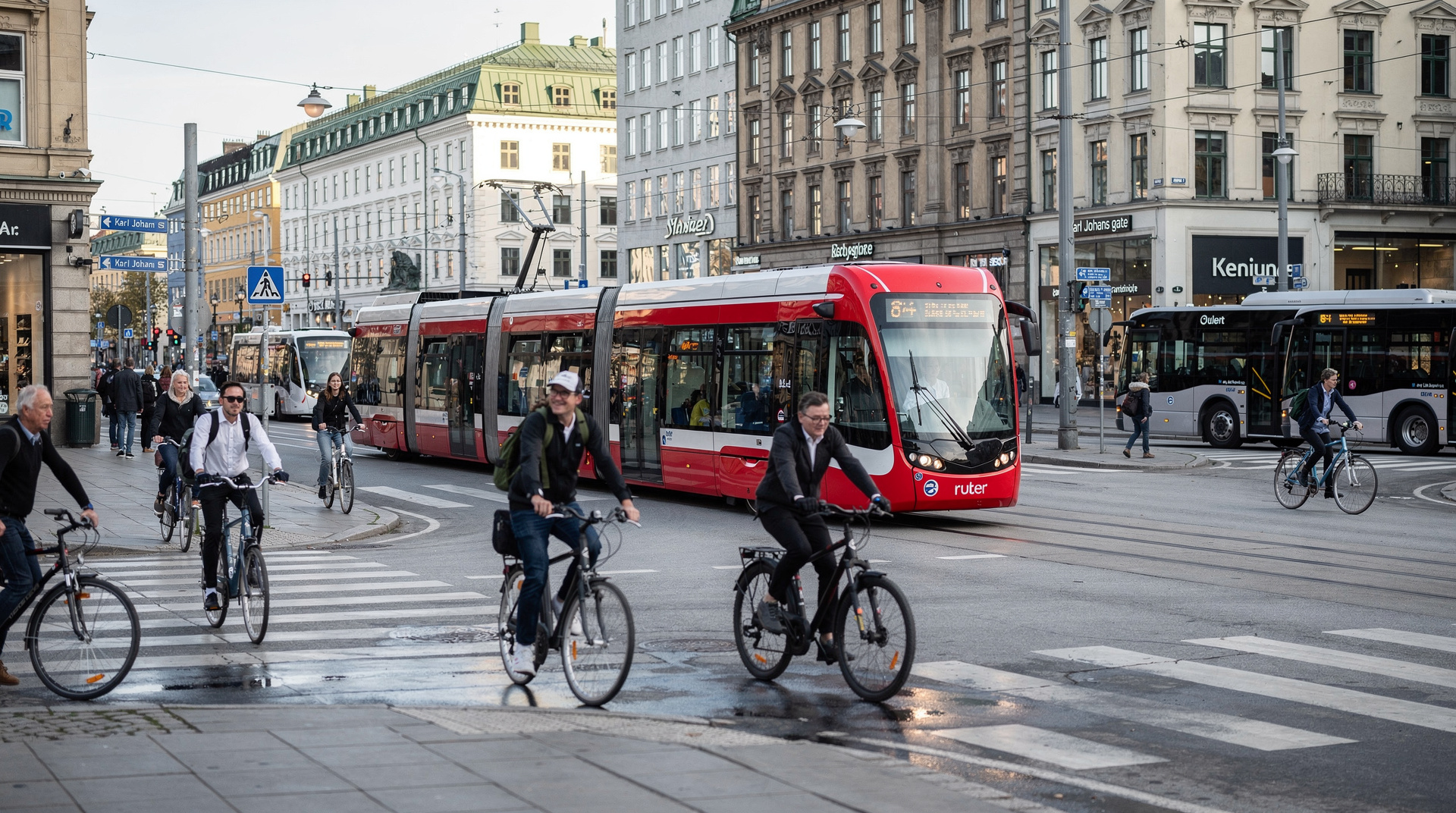
The transport coverage spans all Ruter zones 1 to 3, meaning every metro line (T-bane), every tram line, every city bus, the Bygdøy ferry from Aker Brygge pier (operational late April through September), and Nesoddbåten to the peninsula. You cannot use it on Flytoget (the airport express to Gardermoen) or on Vy’s long-distance regional trains, though you can use it on the local trains to Asker, Lillestrøm, and Eidsvoll if you stay within the Ruter zone boundary.
The museum lineup in 2026
The Munch Museum in Bjørvika is included and is the single highest-value admission in the city — a standard adult ticket costs NOK 160 (about USD 17). The National Museum on Tullinløkka is also covered at NOK 200 (about USD 22). Combine those two with Norsk Folkemuseum in Bygdøy (NOK 220, USD 24), the Fram Museum (NOK 195, USD 21), and the Kon-Tiki Museum (NOK 150, USD 16), and you have nearly NOK 925 in museum admissions before you factor in transport.
One significant caveat: the Viking Ship Museum at Bygdøy remains closed for its major extension project. The reopening is expected around 2027, though no confirmed date has been given. The Viking Planet in Sentrum is a reasonable alternative and is covered by the pass; the Historical Museum on Frederiks gate is also included.
The Nobel Peace Center near City Hall, Akershus Fortress, and the Astrup Fearnley Museum of Modern Art at Tjuvholmen are all on the list. Vigeland Sculpture Park in Frogner is free for everyone — no pass needed — so it does not add value.
What is not included (and matters)
The hop-on hop-off sightseeing buses run by City Sightseeing and Gray Line are not in the Oslo Pass program. Nor is the Holmenkollen Ski Museum (though the jump arena is reachable by T-bane line 1 within Ruter zones, so transport is covered). The Oslo Fjord cruise boats operated by Ruter are included, but the tourist sightseeing cruises from Aker Brygge are separate products entirely. TusenFryd amusement park south of the city, which many families want, is not covered.
Restaurants with “Oslo Pass discount” exist but the list is short and the savings minor. Do not include food discounts in your break-even calculation.
Who actually breaks even
The pass makes financial sense for a particular kind of traveller: someone who arrives without an Oslo city card, plans to visit three or more paid museums in a day, and also needs to ride public transport multiple times. A family spending two days in Oslo, visiting Norsk Folkemuseum, the Fram Museum, the Kon-Tiki Museum, and the Munch Museum, will almost certainly come out ahead on a 48-hour pass.
Conversely, the pass often makes no sense for:
- Visitors who focus on outdoor activities (Vigeland Park free, Opera House roof free, harbour walk free)
- People already on a tight budget who mostly self-cater and walk
- Day-trippers who visit Oslo for under six hours
- Those whose main goal is a fjord cruise or a day trip outside the city
A useful benchmark: each adult Ruter single-journey ticket costs NOK 42 (USD 4.50) if purchased via the app. A 24-hour unlimited Ruter day card costs NOK 135 (USD 14.5). So if you only need transport and are skipping museums, the day card saves you money versus the Oslo Pass.
Use the Oslo Pass Calculator on this site — plug in your planned attractions and it will tell you the exact net saving or loss for your profile.
How to buy and activate
Buy online at visitoslo.com or through the VisitOslo app for the best prices. There is a small surcharge if you buy the physical card at the Oslo Visitor Centre at Østbanehallen (the old eastern railway terminal inside Oslo S), though that is a convenient option if you are arriving by train and have not planned ahead.
Activation matters: the 24-hour timer starts when you first use the pass — scan it at a Ruter validator or present it at a museum entry. Do not activate it the evening before a full day; the hours count in real time.
The digital pass displays a QR code in the app. At most museums you show this directly; at Ruter you scan the validator just like a travel card. The app works offline once the pass is downloaded, so you do not need data coverage on the T-bane.
Planning a pass-maximising day
If you are committed to extracting full value from a 24-hour Oslo Pass, a realistic high-value itinerary starts early. Take tram 12 or bus 30 to Aker Brygge, board the Bygdøy ferry (free with the pass from May to September; NOK 100 without it), and spend the morning moving through Norsk Folkemuseum, Fram Museum, and Kon-Tiki Museum in sequence — allow 90 minutes each. That cluster alone accounts for roughly NOK 565 (USD 61) in individual admissions.
After lunch, take the ferry back, walk along the harbourfront to Bjørvika, and spend the afternoon at the Munch Museum (NOK 160 without the pass). Finish with a short metro ride up to Grønland or across to Frogner for dinner. By the time you sit down to eat, you have very comfortably recouped the cost of the 24-hour pass.
For a two-day pass, add the National Museum on day two, tack on the Viking Planet and the Nobel Peace Center, and use the metro up to Holmenkollen (T-bane line 1, 30 minutes from Majorstuen) for the views and the ski jump structure. That is a thoroughly packed Oslo in 48 hours.
Comparing the Oslo Pass to alternatives
The City Sightseeing hop-on hop-off bus offers a useful overview of the city’s layout, but it does not include any museum admissions — it is a transport and commentary product only. If you are new to Oslo and want visual orientation before diving into museums, a combination of the hop-on hop-off on day one and a 48-hour Oslo Pass starting on day two can work well.
For visitors primarily interested in a panoramic overview, the hop-on hop-off guide breaks down the current operators and routes in detail. The Oslo Pass does not cover those buses.
If fjords and water are your priority, consider that the Oslo Pass does not include the major tourist cruise operators. The Oslofjord cruise options from Aker Brygge are booked separately and are worth treating as a distinct purchase decision.
The honest position on whether the Oslo Pass is worth it depends almost entirely on your museum appetite. Oslo’s outdoor attractions are disproportionately free, which lowers the default value of any city pass compared to cities where even parks charge admission.
Honest traps and tips from regular Oslo visitors
A few things that first-time Oslo Pass buyers commonly discover the hard way:
The 24-hour timer starts at activation, not at midnight. Activating at 14:00 means the pass expires at 14:00 the next day. Most visitors get maximum value from a pass started at 09:00 to 10:00 on a full museum day.
The Bygdøy ferry is seasonal. The ferry from Aker Brygge pier 3 to Bygdøy runs approximately late April through September. Outside that window, you need to take bus 30 from Nationaltheatret to reach the museum peninsula — still covered by the Ruter component of the Oslo Pass.
Many Oslo attractions are already free and do not add pass value. Vigeland Sculpture Park (free, no ticket), Oslo Opera House rooftop (free), Akershus Fortress grounds (free; the interior requires a ticket that is covered by the pass), the Deichman Bjørvika library (free), the harbourfront walk from Bjørvika to Tjuvholmen (free). If your Oslo plan is heavily outdoors-focused, the pass value drops significantly.
Children under 4 typically enter attractions free regardless of the pass, so the child pass is relevant only for ages 4 to 15. Verify this with each specific attraction, as policies vary.
The Oslo Pass does not cover the dining cruises, e-bike tours, kayaking, or any activity requiring an external operator booking. These are separate purchases.
Is the 48-hour pass worth it over two 24-hour passes?
The 48-hour pass costs NOK 845 (USD 91) and a 24-hour pass costs NOK 595 (USD 64). Two separate 24-hour passes would cost NOK 1 190 (USD 128). The 48-hour pass saves NOK 345 (USD 37) compared to buying two 24-hour passes separately. However, the relevant comparison is against the Oslo Pass Calculator calculation for your specific itinerary: if your second day is primarily outdoor and free activities, a second 24-hour pass may not break even at all, making the 48-hour pass also a poor value for day 2.
The calculation only makes sense if both days are genuinely museum-and-transport heavy. For mixed itineraries — museums day 1, outdoors/fjord day 2 — consider carefully.
What Oslo Pass holders consistently report
Visitors who get good value from the Oslo Pass generally describe a day structured around three to four paid museums plus transport. The most common high-value combination: morning Norsk Folkemuseum and Fram Museum (Bygdøy, via the seasonal ferry), afternoon Munch Museum (Bjørvika, via tram), with the National Museum on a second day. This pattern extracts NOK 750 to 800 in museum admissions alone on day one.
Visitors who feel the pass was not worth it typically report a day heavy on outdoor walking and free attractions, with only one museum visit. The pass is priced to break even at roughly 2.5 paid attractions plus transport, which requires deliberate planning.
Practical details
- Valid from: first use, not purchase date
- Timer: 24, 48, or 72 consecutive hours from first activation
- Ages: adult (16+), child (4 to 15); under-4 free at most venues without a pass
- Digital: VisitOslo app (iOS and Android); works offline once downloaded
- Physical card: Oslo Visitor Centre at Østbanehallen (daily 09:00 to 18:00, extended in summer)
- Transport coverage: all Ruter zones 1 to 3 — bus, tram, metro lines, local ferries, Bygdøy ferry (seasonal)
- Not included: Flytoget, Vy long-distance trains, hop-on hop-off tourist buses, TusenFryd, dining cruises
- Useful tools: visitoslo.com for the full attraction list; Ruter app for route planning; Oslo Pass Calculator on this site
For a wider look at what Oslo costs and where to spend your money wisely, the Oslo trip cost guide has current benchmarks across accommodation, food, and activities. The Oslo Pass vs individual tickets comparison goes deeper into specific itinerary scenarios.
What happens if you lose the physical card
Physical Oslo Pass cards purchased at the Oslo Visitor Centre are, like most transit and attraction cards, difficult to replace if lost mid-trip — there is no guaranteed refund or reissue for a lost card once activated, so treat it like cash. The digital version through the VisitOslo app avoids this risk entirely: it lives on your phone, is protected by your device’s own security, and the QR code can be re-displayed at any point without needing a physical replacement. For this reason alone, most repeat Oslo Pass users default to the digital option unless they specifically need a physical card for a reason such as an unreliable phone or lack of app familiarity.
Oslo Pass duration: which length actually suits your trip
| Duration | Price | Best if… |
|---|---|---|
| 24 hours | NOK 595 | You have one dedicated museum-and-transport day |
| 48 hours | NOK 845 | Both days are museum-heavy |
| 72 hours | NOK 1 045 | Longer stay with at least 4–5 paid attractions planned |
Matching the pass length to your actual itinerary matters more than defaulting to the longest option. A 72-hour pass bought for a trip where only one day is genuinely museum-focused, with the other two spent at Vigeland Park, the harbourfront, and free viewpoints, will likely underperform a simple 24-hour pass plus separate transport tickets for the free-activity days.
Families: does the Oslo Pass make sense with children?
Family value depends heavily on how many museums are on the itinerary. A family of four visiting the Bygdøy museum cluster (Norsk Folkemuseum, Fram Museum, Kon-Tiki) plus the Munch Museum across two days will typically save meaningfully with 48-hour passes for the adults and children’s passes for kids aged 4 to 15 — the museum admissions alone for four people can exceed NOK 2 500 without the pass. Families whose Oslo days lean toward parks, the harbourfront, and free playgrounds will find the pass adds little, since so much of Oslo’s family-friendly offering costs nothing regardless.
Compare alternative tours
| Tour | Duration | Rating | Price | Highlights | |
|---|---|---|---|---|---|
| Oslo: City Sightseeing hop-on hop-off bus tour | Full day | — | — | Instant confirmation · Audio guide | Check |
| Oslo: 24 or 48-hour hop-on hop-off sightseeing bus (Gray Line) | Full day | — | — | Free cancellation · Multiple stops | Check |
| Oslo: panoramic sightseeing bus with Holmenkollen and Vigeland Park | 3 hours | — | — | Hotel pickup · English guide | Check |
Frequently asked questions about Oslo Pass review
How much does the Oslo Pass cost?
In 2026 the 24-hour adult pass costs NOK 595 (about USD 64), the 48-hour pass NOK 845 (about USD 91), and the 72-hour pass NOK 1 045 (about USD 112). Children aged 4 to 15 pay roughly half. Buy online at visitoslo.com to avoid queues.Does the Oslo Pass include public transport?
Yes. All Ruter buses, trams, metro lines, and the local ferries (including the Bygdøy ferry in summer) are covered. Flytoget airport express and long-distance Vy trains are not included.Which museums are free with the Oslo Pass?
Munch Museum, National Museum, Fram Museum, Kon-Tiki Museum, Norsk Folkemuseum, Nobel Peace Center, Akershus Fortress, and around 30 others. Viking Ship Museum remains closed until approximately 2027.Is the Oslo Pass worth it for one day?
Usually no. The 24-hour pass breaks even only if you visit at least three paid museums plus use public transport. If your day is mostly outdoors — Vigeland Park, the Opera House roof, Aker Brygge — it rarely pays off. Use the Oslo Pass Calculator tool on this site to check your exact itinerary.Can I share the Oslo Pass with my travel companion?
No. Each pass is personal and tied to one adult. Children's passes exist for ages 4 to 15; under-4s enter most attractions free anyway.Where do I pick up the Oslo Pass?
Digital passes go straight to the VisitOslo app — show the QR code at entries and on Ruter transport. Physical cards can be collected at the Oslo Visitor Centre on Østbanehallen (Oslo Central Station), open daily.Does the Oslo Pass cover the hop-on hop-off bus?
No. The City Sightseeing and Gray Line hop-on hop-off buses are not included and must be booked separately.What discounts does the Oslo Pass give on dining?
Some restaurants in the program offer 10 to 20 percent discounts, but the list changes. Do not count on food savings when calculating whether the pass breaks even.Does the Oslo Pass work for children under 4?
Under-4s do not need a pass at all — nearly every Oslo attraction and Ruter transport already admits them free. Buy a children's pass (ages 4 to 15) only for kids old enough that attractions start charging.Is the Oslo Pass refundable if I don't use it?
Digital passes purchased through visitoslo.com are generally non-refundable once issued, though policies can vary by purchase channel. Because the timer starts only on first activation, buying slightly ahead of your trip carries no real downside as long as you activate it on the day you actually start using it.