Viking Ship Museum is closed until 2027 — here is what to do instead
Oslo: The Viking Planet entry ticket with VR movie
Duration: Flexible
- VR experience
- Family friendly
The closure that caught everyone off guard
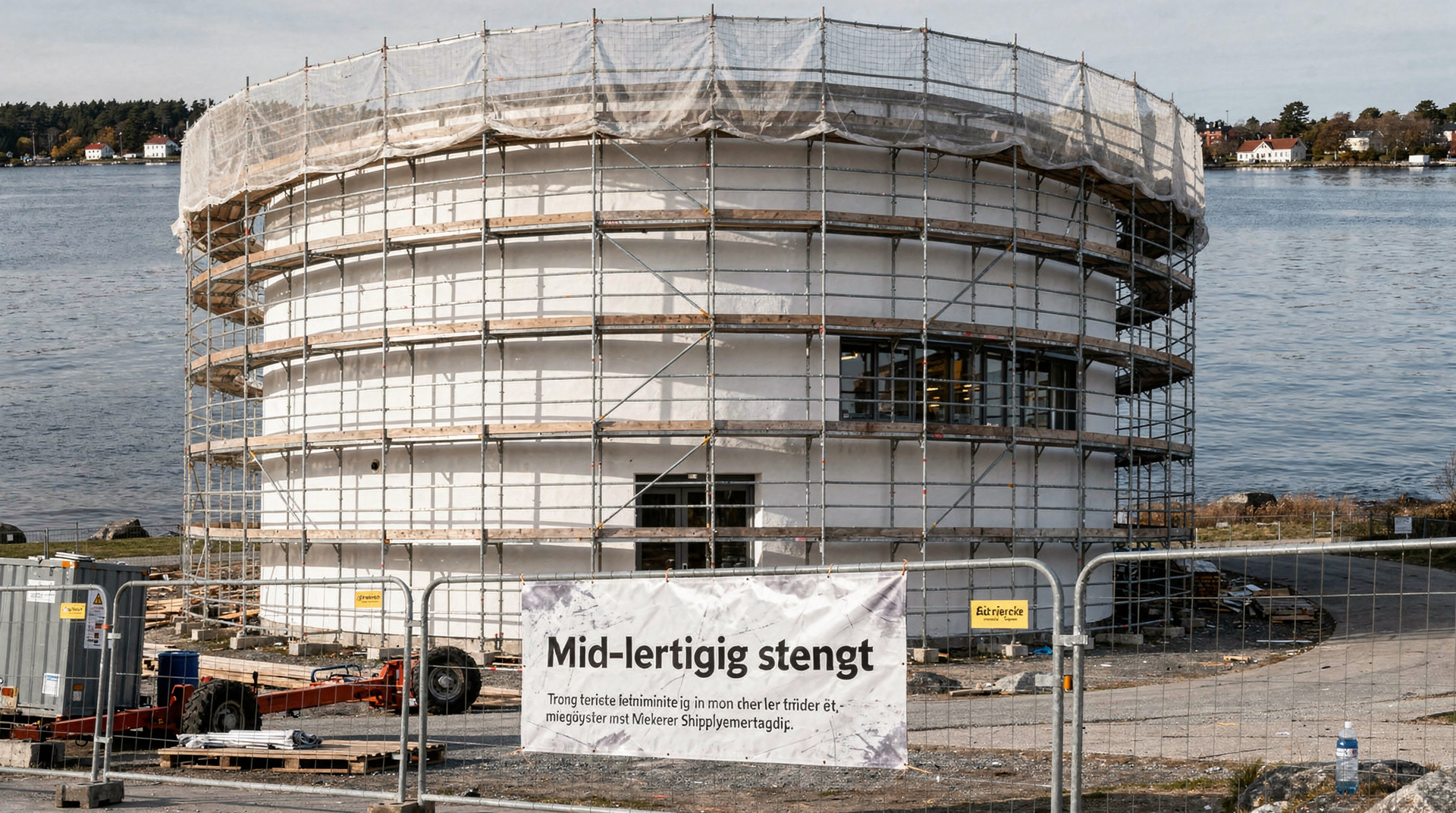
When visitors arrive at Bygdøy expecting to stand in front of the Oseberg ship — one of the best-preserved Viking vessels in the world — and find a construction fence instead, the disappointment is real. I have seen it happen. A family from Austin who had driven from the airport directly to Bygdøy, jetlagged and excited, staring at a locked gate. The museum has been closed since 2020 and will not reopen in its new form until approximately 2027.
This is not a soft closure with some galleries still accessible. The Viking Ship Museum is fully shut for what is officially called the Museum of the Viking Age project: a major rebuild that will essentially triple the floor space and create a purpose-built facility worthy of some of Norway’s most important archaeological finds. The project is serious, well-funded, and overdue. But it does mean that for the next year or two, Oslo’s most famous individual attraction is simply unavailable.
This post is here to give you an honest assessment of where you stand if Viking history is a primary reason for your Oslo trip — and to make the case that the alternatives, properly understood, are better than most guides admit.
| Status | Fully closed since 2020; reopening estimated around 2027 |
| Best real-artefact alternative | Historical Museum, Frederiks gate — around NOK 120–150 |
| Best immersive alternative | Viking Planet, Karl Johans gate — around NOK 325–375 |
| Best combined day | Historical Museum (morning) + Norsk Folkemuseum (afternoon) |
| Oslo Pass | Covers both Viking Planet and the Historical Museum |
What was in the Viking Ship Museum (and why it mattered)
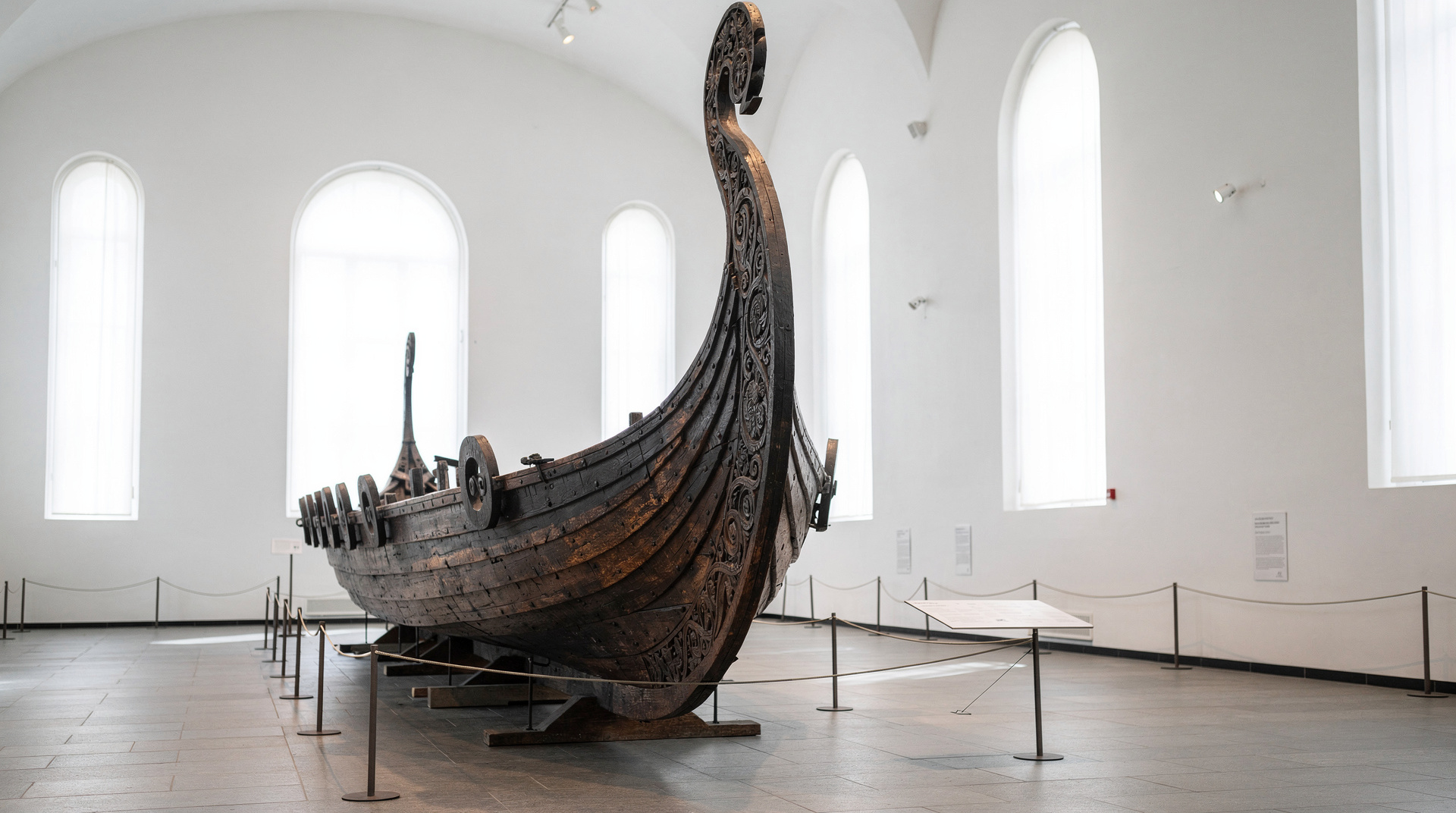
Before getting into alternatives, it is worth being clear about what the closure actually means. The original Viking Ship Museum at Bygdøy held three ships: the Oseberg ship, excavated in 1904, dating to around 820 AD and extraordinary in its decorative detail; the Gokstad ship, a larger vessel from around 890 AD built for open-sea voyaging; and the Tune ship, less complete but still significant.
These were not reconstructions or replicas. They were the actual ships, recovered from burial mounds in the Oslofjord region, preserved by the unusual clay and mud conditions that kept the wood from fully decomposing. Alongside the ships, the museum held grave goods — sledges, a wagon, textiles, kitchen utensils, and personal objects — that gave extraordinary material substance to Viking Age life.
The visitor experience was genuinely visceral in a way that no amount of digital display can replicate: standing next to a 23-metre wooden ship that was built eleven centuries ago and sailed real seas.
The new Museum of the Viking Age will incorporate all of this, add substantial new material, and present it with modern museum standards. When it opens — and the current estimate remains approximately 2027, though major Norwegian construction projects have a track record of running somewhat beyond initial estimates — it will be considerably better than what it replaces. That is cold comfort for 2026 visitors, but it is true.
For current status and what we know about the reopening timeline, the Viking Ship Museum status guide has the most current information.
Viking Planet: the honest assessment
The replacement that Visit Oslo and most travel guides now point visitors toward is Viking Planet, which opened in 2022 at Karl Johans gate 1, right in the city centre. It is worth being honest about what Viking Planet is and is not.
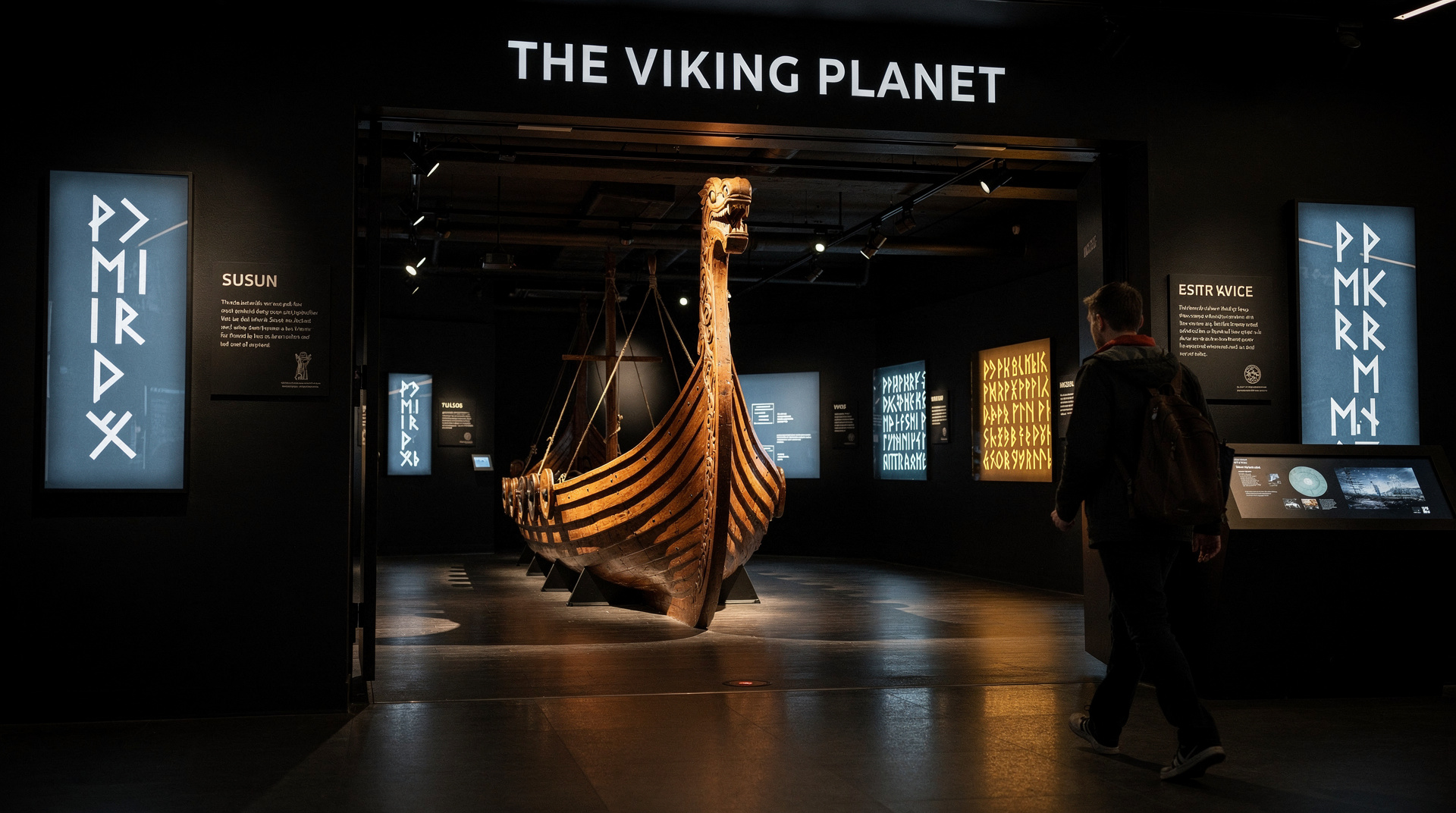
What it is: a high-quality, family-oriented interactive experience that uses digital recreation, VR, and theatrical staging to bring Viking Age Norway to life. The technology is genuinely impressive. The recreated longhouse environment and the immersive footage of a ship at sea are things children in particular respond to strongly. The staff are knowledgeable, the Norwegian language context is well-handled, and it is accessible by tram from anywhere in the city centre.
What it is not: an encounter with actual Viking-Age artefacts. You are looking at very good reconstructions and digital representations, not the real thing. For visitors who came specifically to see the Oseberg ship in person, Viking Planet is an experience of a different kind — engaging and educational, but not a substitute at the level of material authenticity.
Admission is NOK 325 to 375 per adult (USD 35 to 40), which is at the higher end for Oslo attractions. The Oslo Pass covers entry, which changes the calculus if you are already planning to use the pass. For the full details, the Viking Planet guide has current pricing and what to book in advance.
The Historical Museum: the underappreciated option
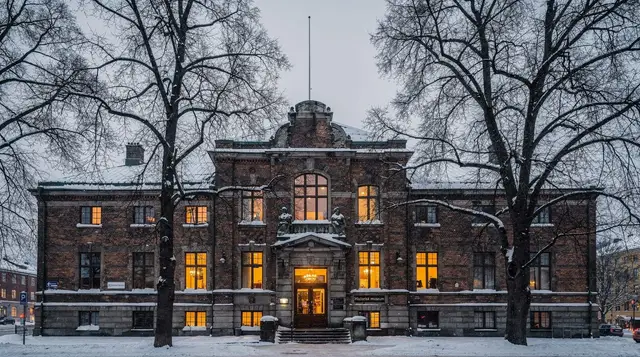
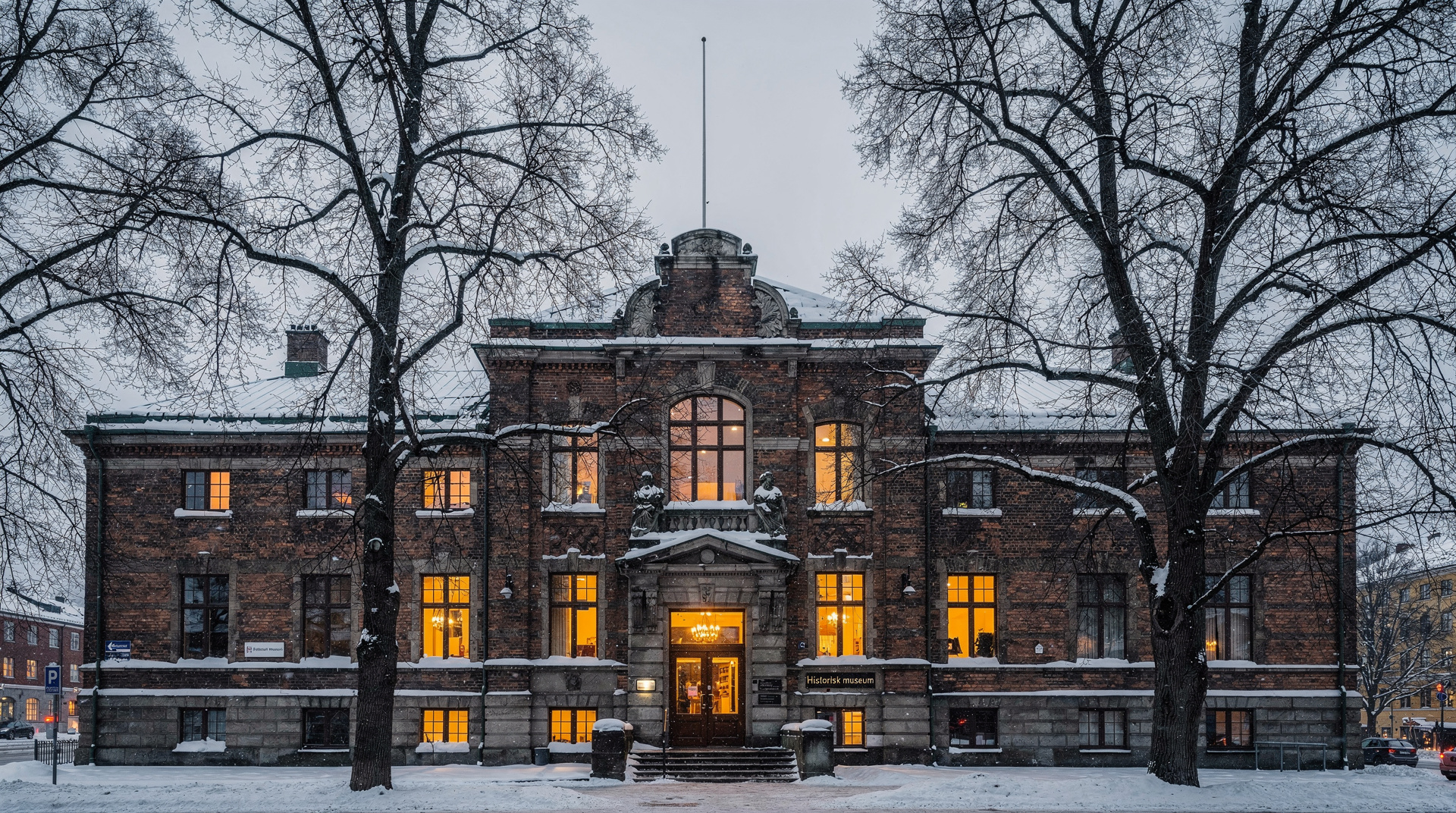
The Oslo University Museum’s Historical Museum on Frederiks gate is, in my view, the most underrated Viking alternative in the city. It does not market itself as aggressively as Viking Planet, it does not have the same digital spectacle, and it occupies a slightly inconvenient location that requires a short walk from the city centre.
But it holds genuine Viking-Age artefacts that rival anything in the original Bygdøy collection. The gold and silver hoard collections include jewellery, coins, and tools from across the Viking world. There are runic inscriptions, weapons, and everyday objects that have not been moved into storage. Crucially, the admission price is significantly lower than Viking Planet (around NOK 120 to 150 for adults, USD 13 to 16), and it is covered by the Oslo Pass.
The museum covers Norwegian history from the Stone Age through the medieval period, with the Viking section as its centrepiece. The building itself — a striking 1902 historicist structure — adds to the atmosphere.
If you visit one Viking-related institution while the big museum is closed, I would make a case for starting here.
Bygdøy itself: more than one museum
The closure of the Viking Ship Museum has not closed Bygdøy, and the peninsula remains home to three other significant museums that are all open and excellent.
The Norsk Folkemuseum is Norway’s open-air museum: 160 historic buildings relocated from around the country, including a stunning 12th-century stave church. The collection includes significant Viking-Age material in context, even if it is not marketed as a Viking museum. This is a genuinely excellent day out, and the admission price (around NOK 220 to 250 for adults, USD 24 to 27) reflects the scale of what is on offer.
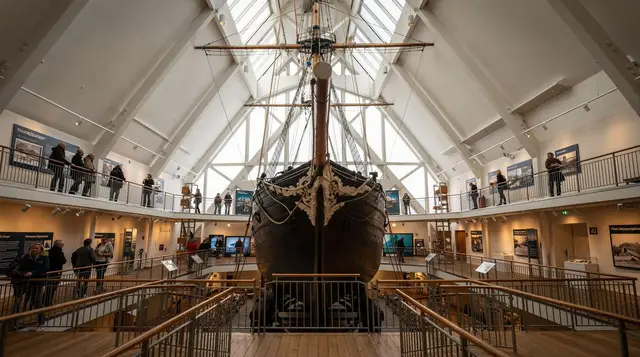
The Fram Museum and Kon-Tiki Museum, while not Viking-related, are world-class institutions dedicated to Norwegian exploration that are easy to combine with a Bygdøy visit. The Fram Museum in particular — built around the actual polar expedition ship Fram, the strongest wooden vessel ever built — has the kind of physical-artefact impact that the Viking Ship Museum used to provide.
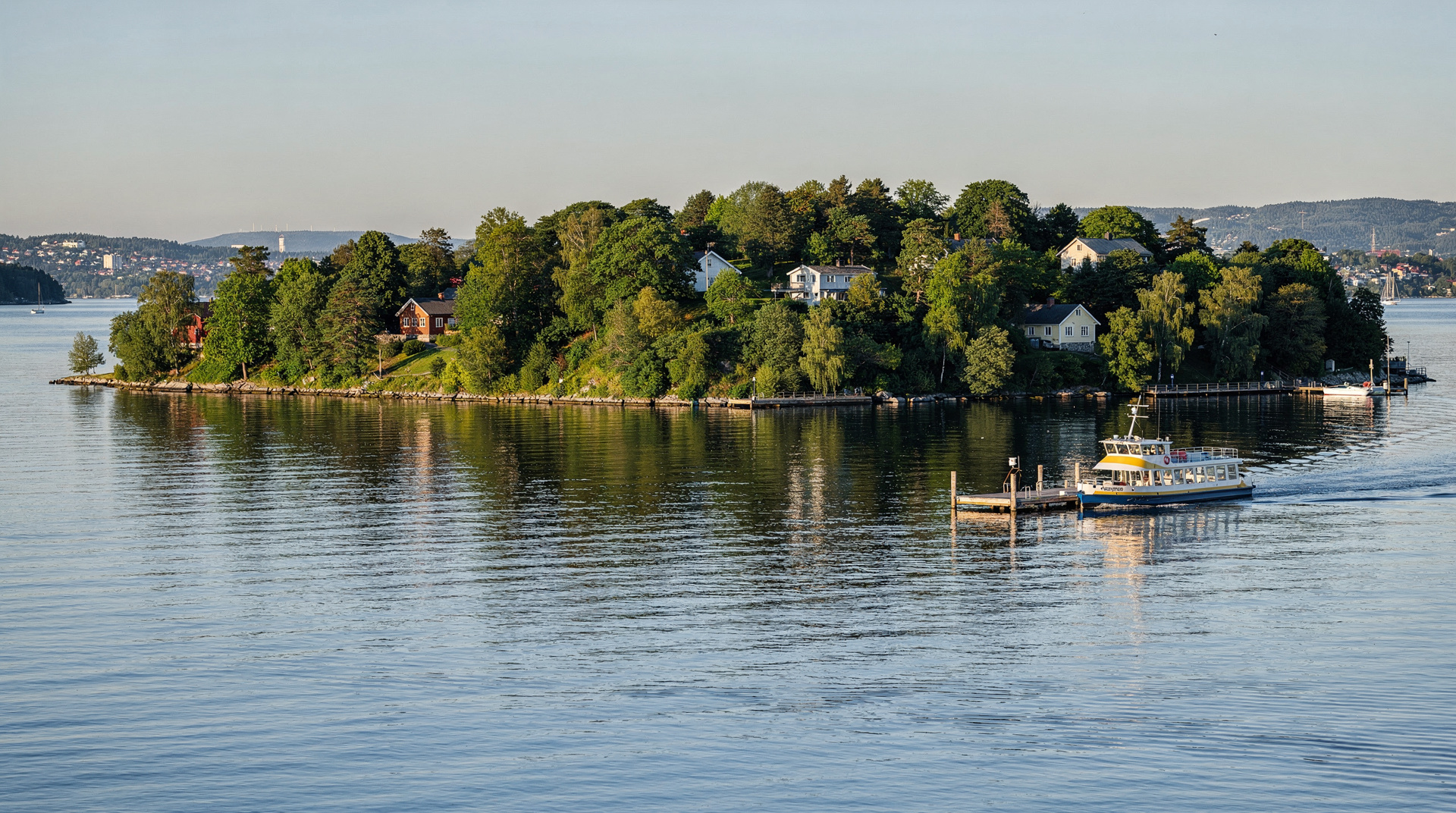
You can reach Bygdøy from Aker Brygge on the seasonal ferry (bus 30 year-round) in about 15 minutes. See the Bygdøy destination guide for practical logistics.
Beyond Vikings: building a strong city-centre museum day
If the Viking closure has freed up a day in your itinerary, the city centre has enough to fill it without a ferry to Bygdøy at all. Viking Planet itself sits on Karl Johans gate, Oslo’s central boulevard, within easy walking distance of the Historical Museum, the National Museum, and Akershus Fortress, whose grounds and museum give a different, later slice of Norwegian history — medieval and Renaissance rather than Viking-Age, but a natural pairing for a history-focused day. The Nobel Peace Center, also central, is a worthwhile detour if the group wants something outside the historical thread entirely.
For a rainy day when an outdoor Bygdøy trip is unappealing regardless of the Viking Ship Museum’s status, our rainy day museums guide ranks the best indoor options by how well they handle a fully wet day, city-centre location included.
The Munch connection worth knowing about
One detail that surprises visitors: the closure of the Viking Ship Museum is unrelated to, but coincides usefully with, Oslo’s strengthened Munch offering. The dramatic new Munch Museum tower, and the National Museum’s Munch galleries, mean that a visitor disappointed by the Viking closure can pivot to arguably an even stronger single-artist experience. Our story behind The Scream post is a good primer if Munch is new territory for you, and it pairs naturally with either museum visit.
The honest advice
Here is what I would tell someone whose primary reason for visiting Oslo was the Viking ships:
First, check the current status page before booking anything. The 2027 target is real but not guaranteed. If it opens before your trip, everything changes.
Second, if you come in 2026, build your Viking history day around the Historical Museum in the morning — genuine artefacts, lower price, manageable scale — followed by Norsk Folkemuseum in the afternoon. This combination gives you more real historical material than the original Viking Ship Museum did, just in a different format.
Third, consider Viking Planet as a supplement for children or for visitors who want the immersive entertainment experience. Do not expect it to fill the gap left by the actual ships.
Fourth, and perhaps most importantly: Oslo is worth visiting on its own merits regardless of one closed museum. The full Oslo museum ranking guide covers the strong alternatives across every category. The Munch Museum alone — opened in its dramatic new tower in 2021 — is arguably the best single museum experience in the city. The National Museum, which reopened fully in 2022, holds the world’s largest collection of Munch paintings and is extraordinary.
Oslo’s appeal runs much deeper than any single attraction. The closure is genuinely unfortunate, and the new museum will be worth the wait. But a well-planned Oslo trip in 2026 should not feel like a diminished version of the real thing.
Practical notes for Bygdøy in 2026
The Viking Ship Museum building and surrounding paths are cordoned off, but the rest of Bygdøy is accessible as normal. The seasonal harbour ferry from Aker Brygge (Ruter ticket, bus 30 year-round, ferry line in summer) reaches the Bygdøy museums pier in about 15 minutes. All other museums have normal opening hours. Parking is available but limited in summer; the ferry or bus 30 from Nationaltheatret is the easiest option.
For the most current information on all Oslo museum status, including any Viking Ship Museum reopening news, visit the museum status guide before you travel.
Top experiences
Bookable activities with verified prices and instant confirmation on GetYourGuide.