Why we skipped the Oslo northern lights tour (and what we did instead)
Oslo: 3-hour cross-country skiing trip with equipment and guide
Duration: 3 hours
- Winter only
- Gear + guide
The tour that should not exist
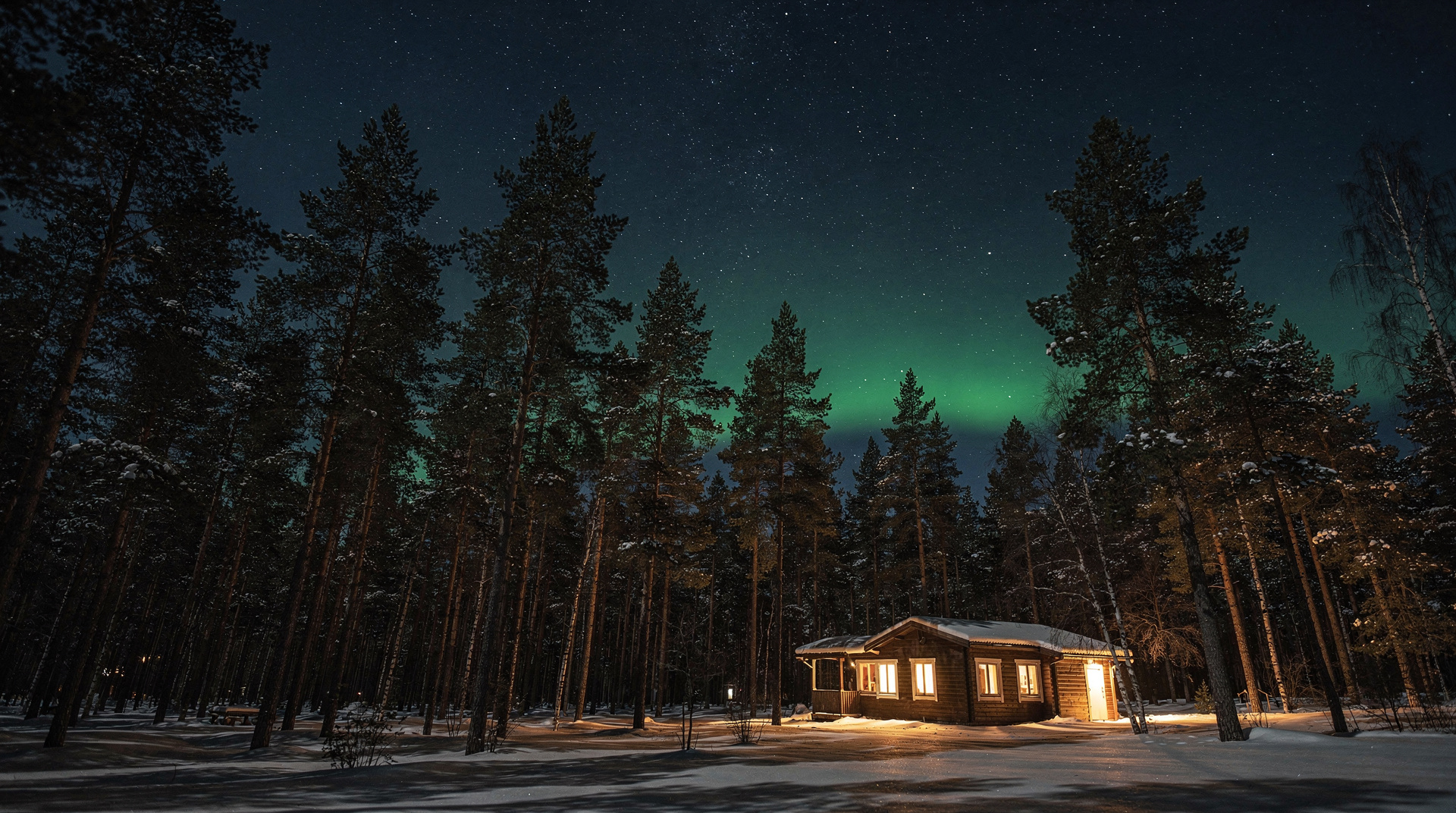
I want to start with something uncomfortable. If you search for “northern lights Oslo” or “northern lights tour from Oslo,” you will find operators selling excursions. They are marketed with language carefully calibrated to avoid a direct lie while creating a clear impression. “Chase the northern lights.” “Northern lights experience.” “Aurora hunting from Oslo.”
What these tours do not tell you, in clear language, is this: Oslo is at 59.9°N latitude, which is too far south for reliable aurora viewing in normal solar activity conditions. The northern lights require, at minimum, a dark sky significantly further north. Tromsø, at 69.7°N, is genuinely good. Svalbard, at 78°N, is excellent. Oslo is approximately as well-positioned for the aurora as Paris or Seattle.
Could you theoretically see the northern lights from Oslo? Yes, in theory, during periods of exceptional solar activity (a KP index of 8 or 9) when the aurora can extend to lower latitudes. These events happen a few times per year during active solar cycles and cannot be predicted more than a few hours in advance. Paying for a pre-booked “northern lights tour” from Oslo is, in almost all practical cases, paying for a bus ride into a field outside the city in the dark.
I am telling you this not to be preachy but because I nearly booked one of these tours before I checked the geography. And I am glad I did not.
| Oslo latitude | 59.9°N — similar to Edinburgh or Hamburg, not Arctic |
| Reliable aurora latitude | 65–66°N and north (Tromsø 69.7°N, Svalbard 78°N) |
| Odds from Oslo | Rare — only during exceptional solar activity |
| Flight to Tromsø | About 1 hour, NOK 600–2,000 one-way |
| What Oslo offers instead | Skiing, skating, saunas, museums — genuinely excellent |
The honest guide to where the lights actually are
If seeing the northern lights is a serious travel goal, you need to be north of approximately 65 to 66°N and you need a clear, dark sky. In Norway, this means Tromsø or further north.
Tromsø is about an hour’s flight from Oslo. The flight with Norwegian or SAS costs between NOK 600 and NOK 2,000 (USD 65 to 215) one-way depending on how far in advance you book, and Tromsø in winter is not only the best place in mainland Norway for aurora viewing but also a genuinely excellent destination in its own right: whale-watching, dogsled tours, snowmobiling, and one of Norway’s most vibrant small-city food and bar scenes.
If your Norway trip is specifically about the aurora, the honest advice is to fly to Tromsø for two or three nights. Do not anchor in Oslo hoping that a bus trip will deliver what only a genuine Arctic latitude can provide. The no northern lights in Oslo guide covers the geography in detail and provides guidance on planning a separate aurora trip.
What winter Oslo actually offers
Here is the thing: once you stop expecting Oslo to be something it is not (an Arctic aurora destination), the city reveals a genuinely excellent winter character that deserves to be taken on its own terms.
Winter Oslo — December through March — is dark, cold, and extraordinarily livable. The day length reaches its minimum around the solstice at about 6 hours of useful light. The temperature typically ranges from -7°C to +2°C, with snow covering the city in most winters but not all. And the city responds to this with an indoor and outdoor culture that I find more compelling in winter than in summer.
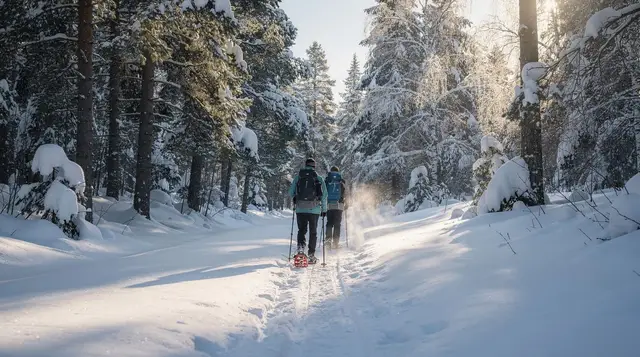
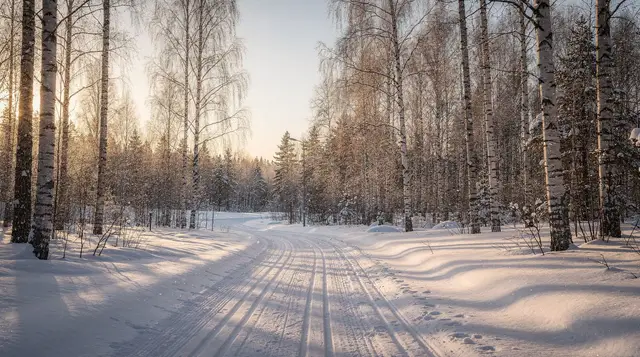
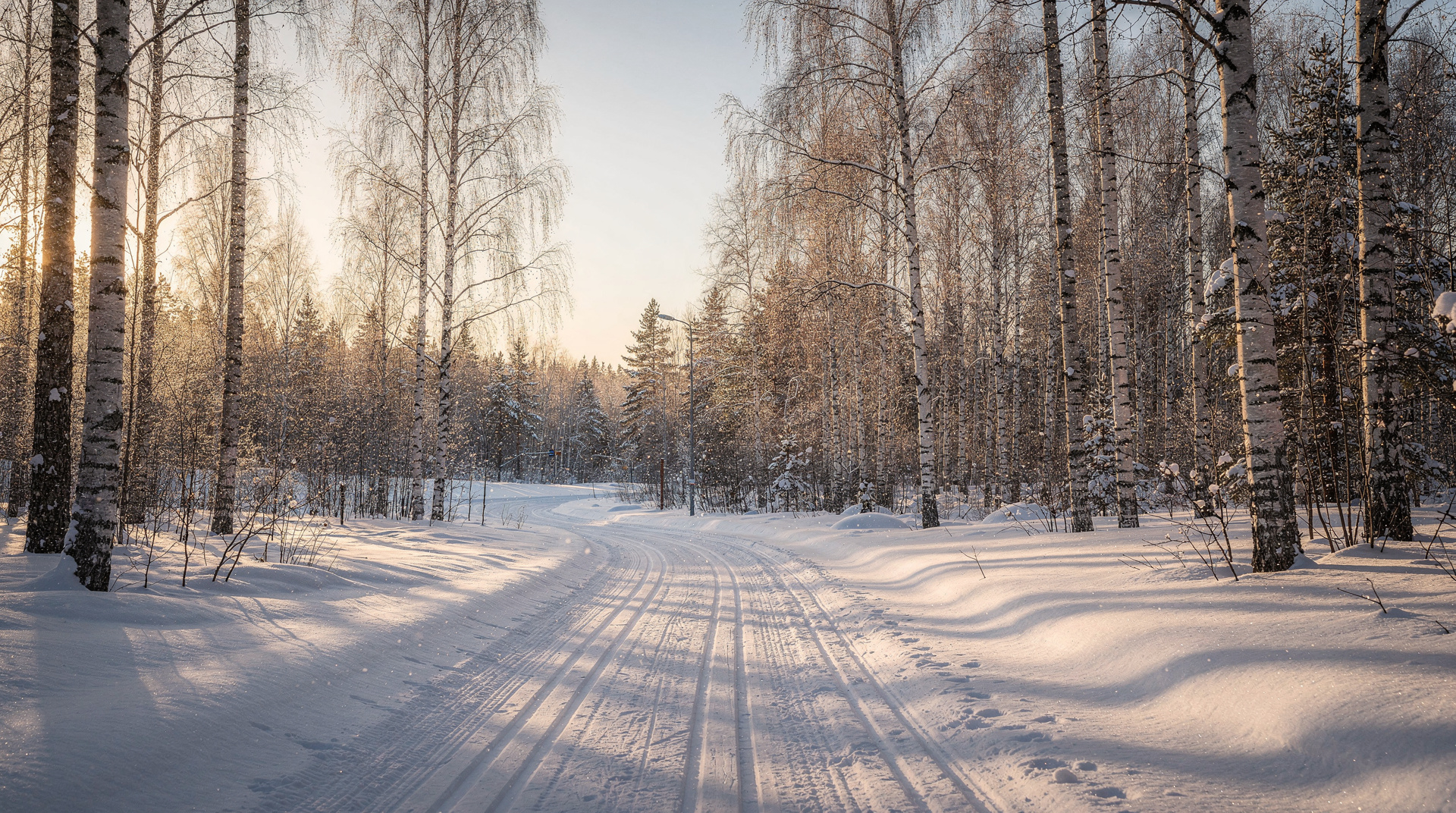
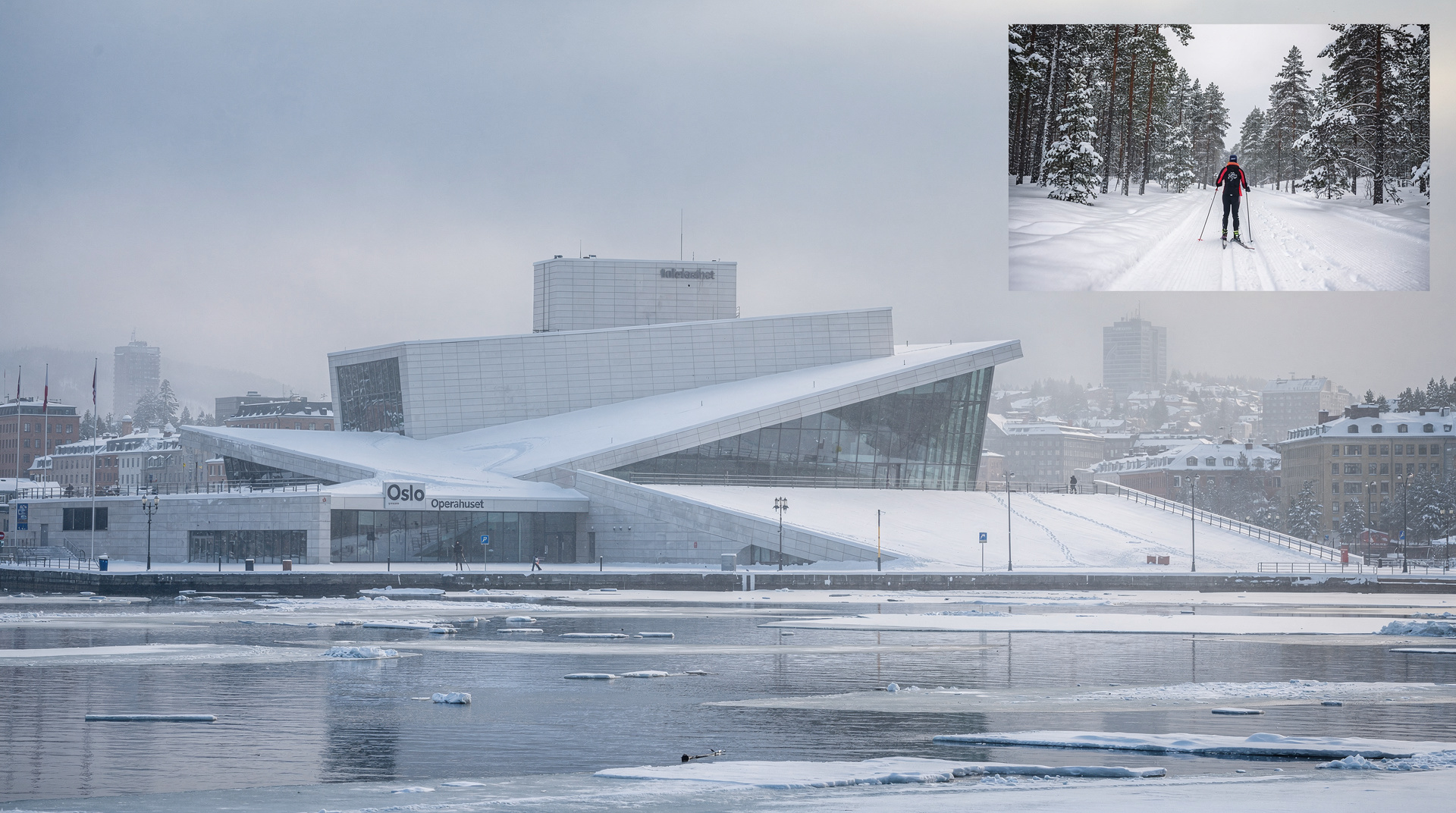
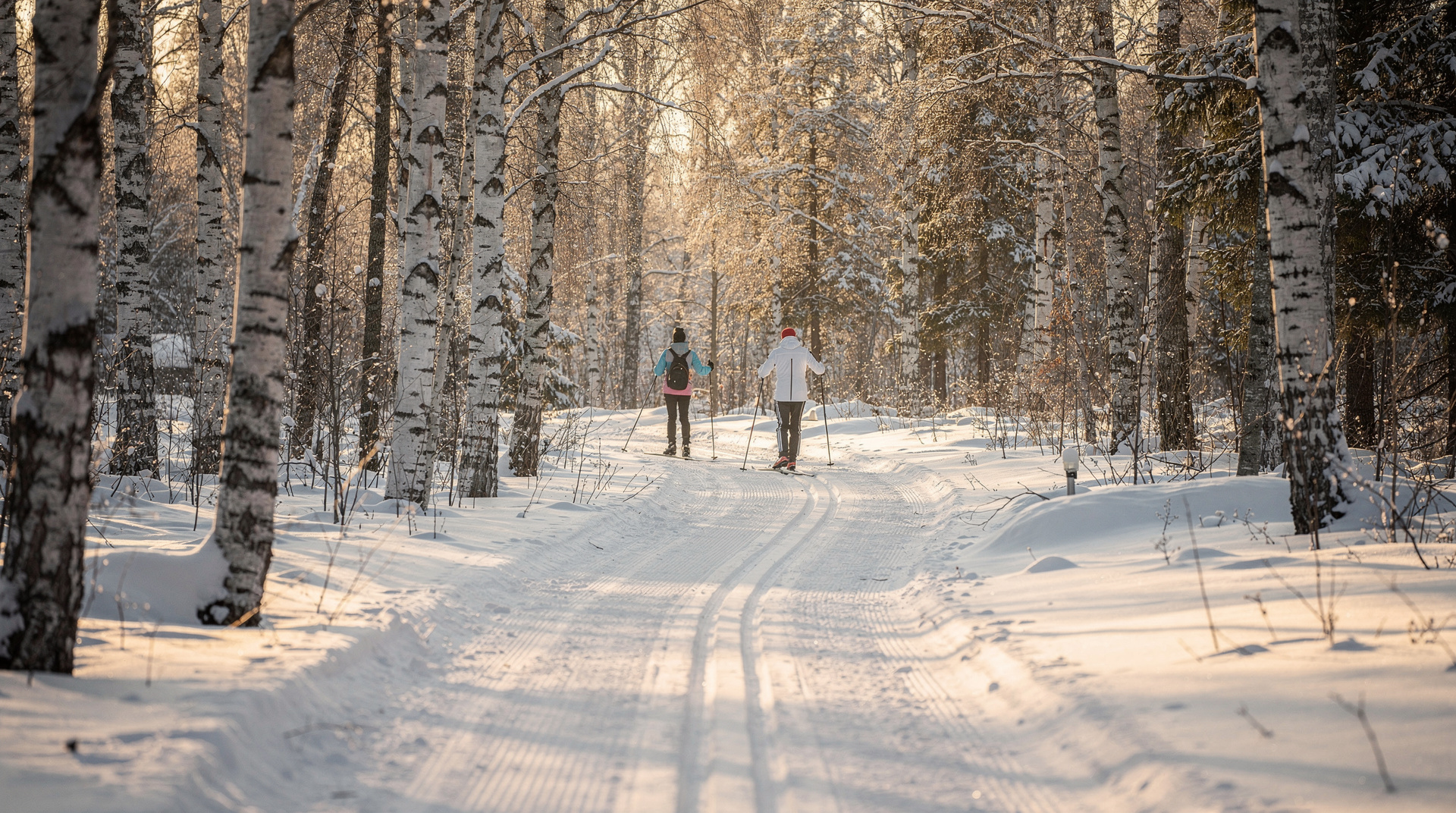
The Nordmarka ski trails: Oslo is the only major European capital where world-class cross-country ski trails are accessible by public transport. The T-bane line 1 to Frognerseteren runs directly to the Nordmarka trail network, and by January most winters a significant trail system is open. The cross-country skiing guide covers the practicalities in detail. Renting equipment in the city is easy and the trails cater to all ability levels.
Holmenkollen ski festival in early March is one of Scandinavia’s great sporting spectacles. The biathlon and ski jump events draw enormous crowds and create an atmosphere in Oslo that is unlike any other time of year. The Holmenkollen guide has dates and ticket information.
Indoor Oslo: the concentration of world-class museums in Oslo makes winter an ideal season for culture-focused visits. The Munch Museum, the National Museum, and the Astrup Fearnley are all dramatically less crowded in January than in July.
The floating saunas: if anything, the saunas are better in winter. See the floating saunas guide for current operators. The combination of extreme heat and extremely cold fjord water works best when the outside temperature is well below freezing.
Snow activities beyond skis: if cross-country skiing is not your thing, Oslo’s winter still has plenty on offer. Snowshoeing near Oslo requires no technique at all and gets you into Nordmarka just as effectively; sledging down the Korketrekkeren run is a genuinely fun half-day for families or anyone feeling nostalgic; and the SNØ indoor ski dome is a fallback for snow-guaranteed skiing regardless of natural conditions that winter. Guided snowshoeing tours are an easy way to try it without renting gear yourself.
Planning around the light matters more than people expect in December and January — the daylight hours by season guide gives exact sunrise and sunset times so you can schedule outdoor activity in the brightest window and save museums for the dark hours.
The tourism industry’s relationship with impossible promises
I want to be slightly harder on the operators selling northern lights tours from Oslo, because the practice represents a broader problem with how Oslo is sometimes marketed.
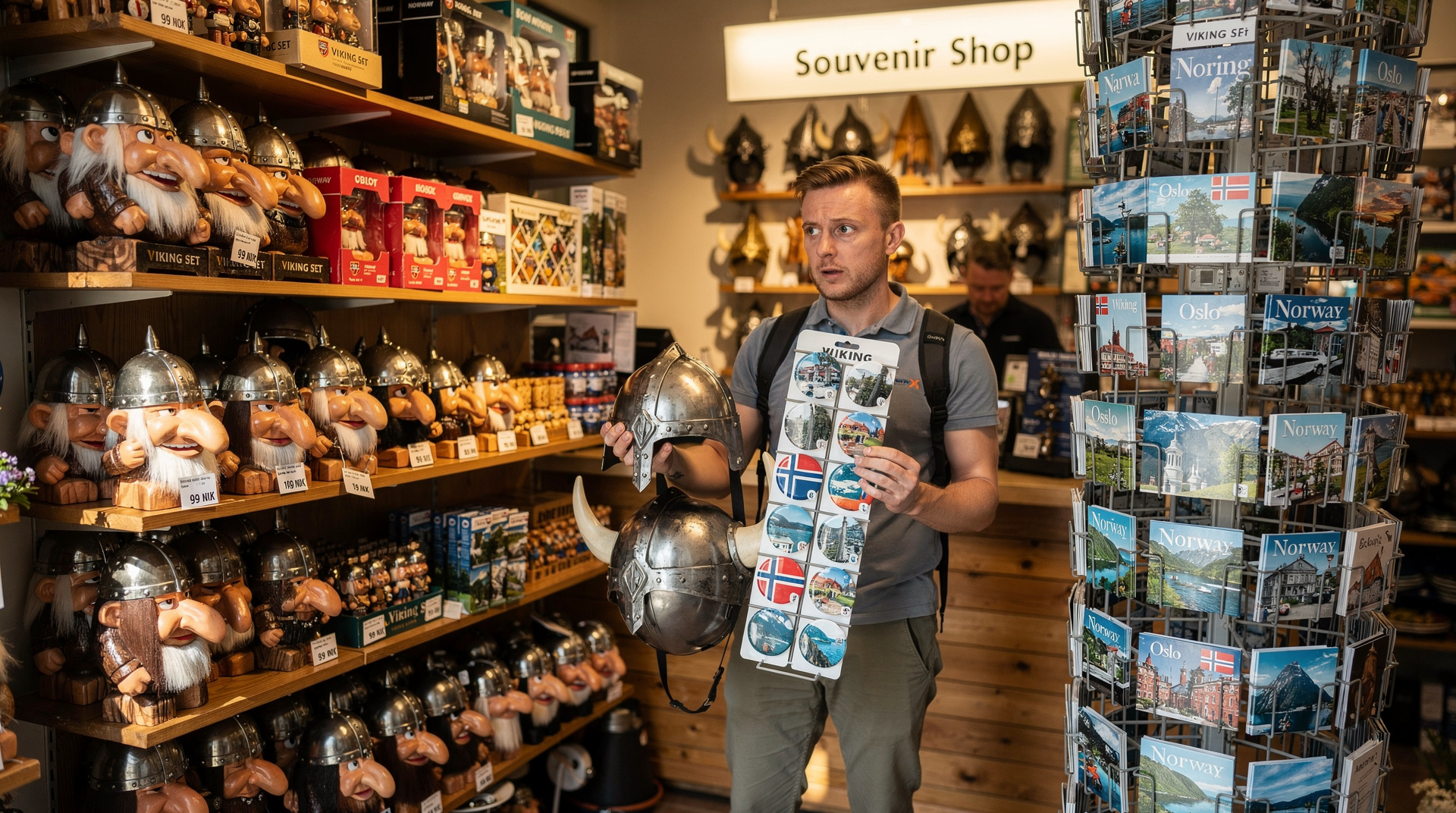
Oslo attracts visitors partly on the basis of associations — Scandinavia, snow, wilderness, extreme natural phenomena — that do not actually apply to this specific city at this specific latitude. Northern lights tours, Sami reindeer experiences, true Arctic wilderness: these things are real and available in Norway, but not in Oslo. The city is a sophisticated, urban, expensive, architecturally interesting European capital at roughly the same latitude as Edinburgh, Manchester, and Hamburg.
The honest version of Oslo travel involves understanding what the city is excellent at — design, outdoor recreation, food culture, world-class museums, fjord access — and not chasing things it cannot deliver. The Oslo tourist traps guide covers this territory in broader detail.
Planning a genuinely good winter Oslo trip
The Oslo winter three-day itinerary builds a realistic plan that plays to the season’s actual strengths. The key insight is that winter Oslo works best when you alternate between outdoor activity in the morning light hours and indoor cultural or food experiences in the long dark evenings.
A good winter day in Oslo might look like: T-bane to the Nordmarka trails for two to three hours of cross-country skiing in the morning; lunch at a restaurant in Frogner or Grünerløkka; afternoon at the Munch Museum or National Museum; early evening at a floating sauna; dinner at one of the neighbourhood restaurants that come into their own when the summer tourist traffic has subsided.
This is a genuinely excellent trip. It does not require aurora borealis. It does not require a bus to a dark field in the countryside. It requires understanding Oslo as the city it actually is.
The Oslo winter activities guide covers the full range of what is available and accessible in the city between November and March.
Top experiences
Bookable activities with verified prices and instant confirmation on GetYourGuide.