Oslo with kids: a family trip diary (and what actually worked)
Oslo: Oslo Pass with public transport and free museum entry
Duration: 24-72 hours
- Instant confirmation
- Free public transport
- Skip museum queues
We went with a 6-year-old and an 11-year-old. Here is what happened.
The honest prefacing note: we went in August because the kids are in school, Oslo is at peak tourist season, and prices are at their highest. A week for four people (flights, accommodation, activities, food) cost roughly NOK 45,000–55,000 (USD 4,800–5,900). Oslo with children is not a budget option. We knew this going in. If you are looking for family travel on a shoestring, this is not the right destination. If you are looking for a genuinely excellent, safe, culturally rich family holiday in one of the most civilised cities in the world, it might be exactly right.
| Ages | Worked well for 6 and 11; broad range suits Oslo |
| Cost (family of 4, 1 week) | Roughly NOK 45,000–55,000 (USD 4,800–5,900) |
| Getting around | Ruter transit — free for under-18s with a paying adult |
| Best season | May–early Sept for ferries and islands; winter for skiing/skating |
| Don’t miss | Bygdøy museums, fjord island ferries, Vigeland Park |
Our children are Signe (6) and Mikael (11). Their assessments of each experience are included below.
Day one: Bygdøy (the right call for a first day with kids)
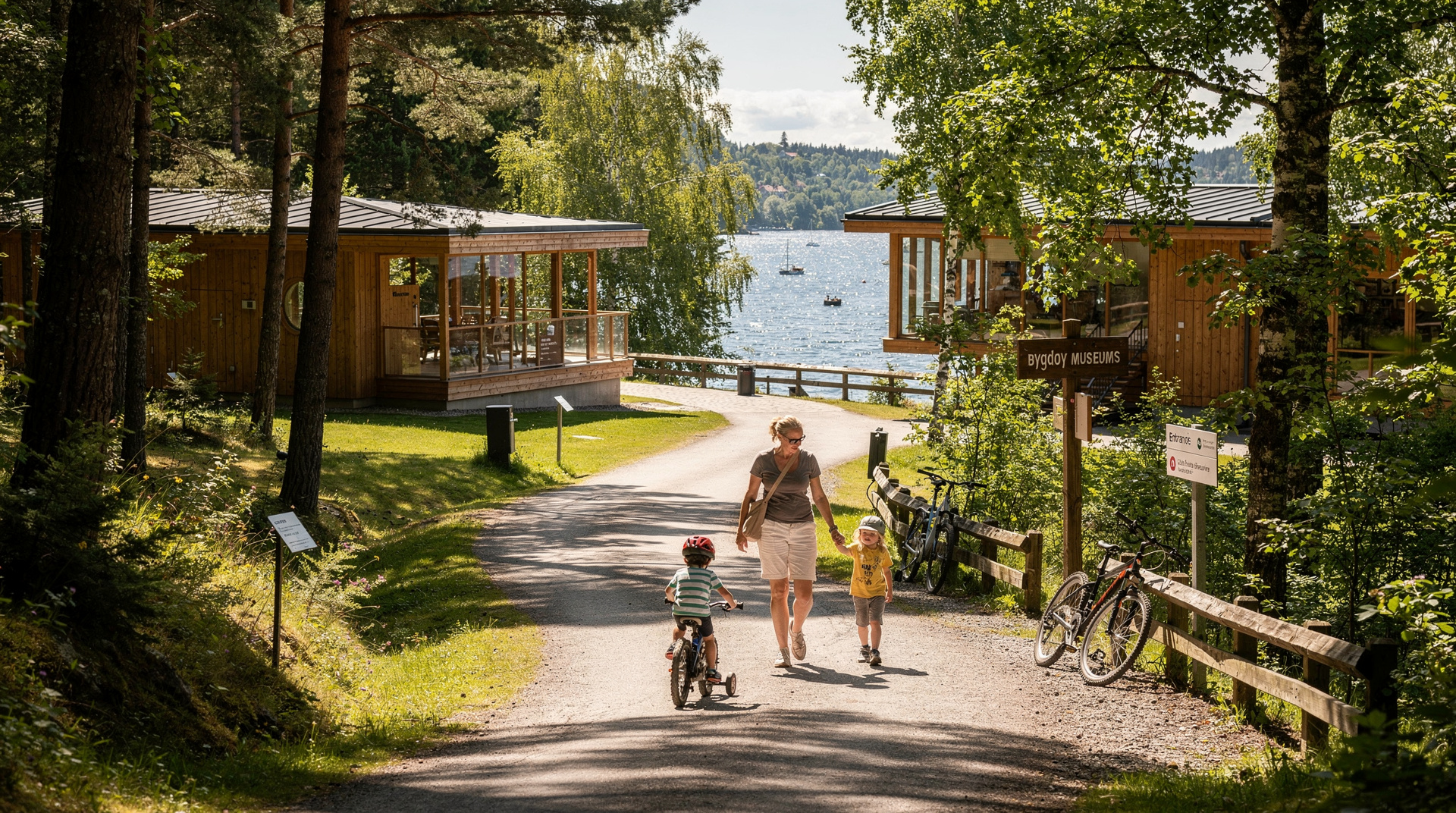
We took the ferry from Rådhusbrygga — the children’s first ferry ride, which was greeted with more enthusiasm than the destination. The ferry system here is Ruter’s public network, so the fare is just a transit ticket (NOK 42 / USD 4.50 per adult, children under 18 free with a Ruter app ticket). The 10-minute crossing to Bygdøy was a gentle introduction to the fjord.
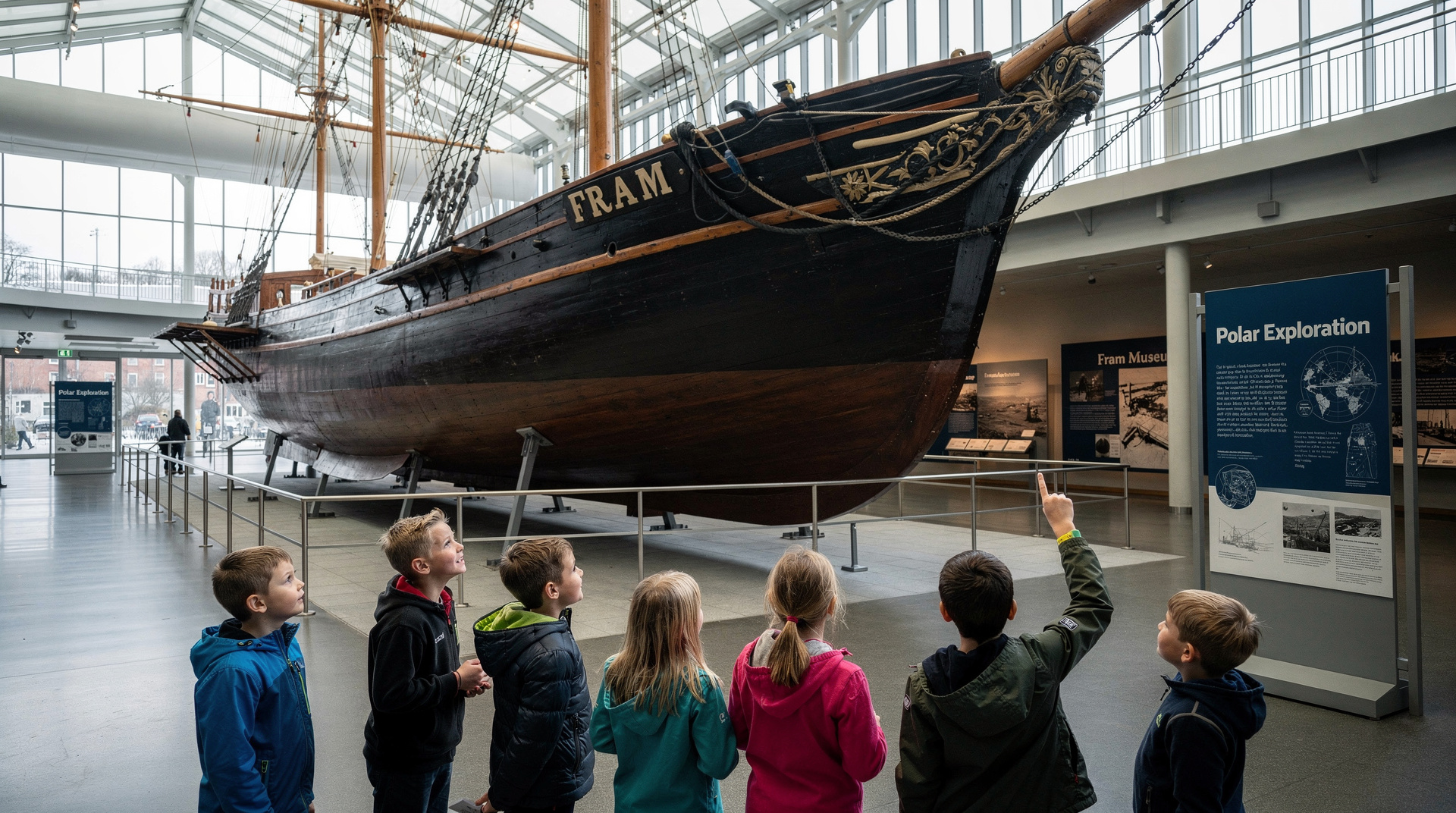
First stop: the Fram Museum. We had prepared Mikael by watching a short documentary about Fridtjof Nansen and Roald Amundsen beforehand, which meant he arrived knowing the context. Standing inside the actual ship Fram — walking through the tiny cabins, looking at the supplies that 13 men lived on for three years — hit harder than any museum exhibit we have taken him to. Signe was less interested in the historical context but very interested in the small quarters and the portholes. We spent 90 minutes.
The Norsk Folkemuseum was the second stop, and it was the right choice for mixed ages. The open-air museum has over 150 historical buildings arranged in a park — you walk between a medieval stave church, a 17th-century farmhouse, an 18th-century burgher’s townhouse, a Sami settlement. In summer, costumed interpreters demonstrate crafts and activities. The children made flatbread on a traditional griddle with a guide who spoke excellent English and had infinite patience for questions. Both children rated this their favourite museum of the trip. Entry is around NOK 220 (USD 24) for adults; children under 6 are free, children 6–18 pay around NOK 110 (USD 12).
We skipped the Kon-Tiki Museum on the first day (too much for one afternoon). Note: the Viking Ship Museum is currently closed for renovation — the expected reopening is around 2027. Do not take children expecting to see the longships. Our Viking Ship Museum status guide explains the situation and suggests alternatives, including Viking Planet on Karl Johans gate.
Day two: the fjord islands
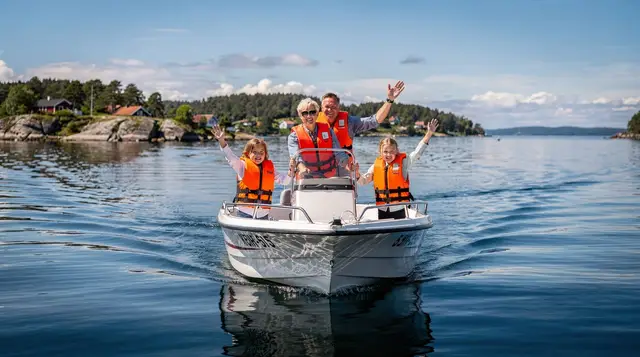
This was the day both children remember most. We took the morning ferry from Rådhusbrygga to Hovedøya — 10 minutes, public Ruter ferry — and spent two hours exploring the island. The ruined monastery held Mikael’s interest for longer than expected; Signe was primarily interested in the rocky beach and the possibility of finding crabs in the pools. Both found crabs. Both were satisfied.
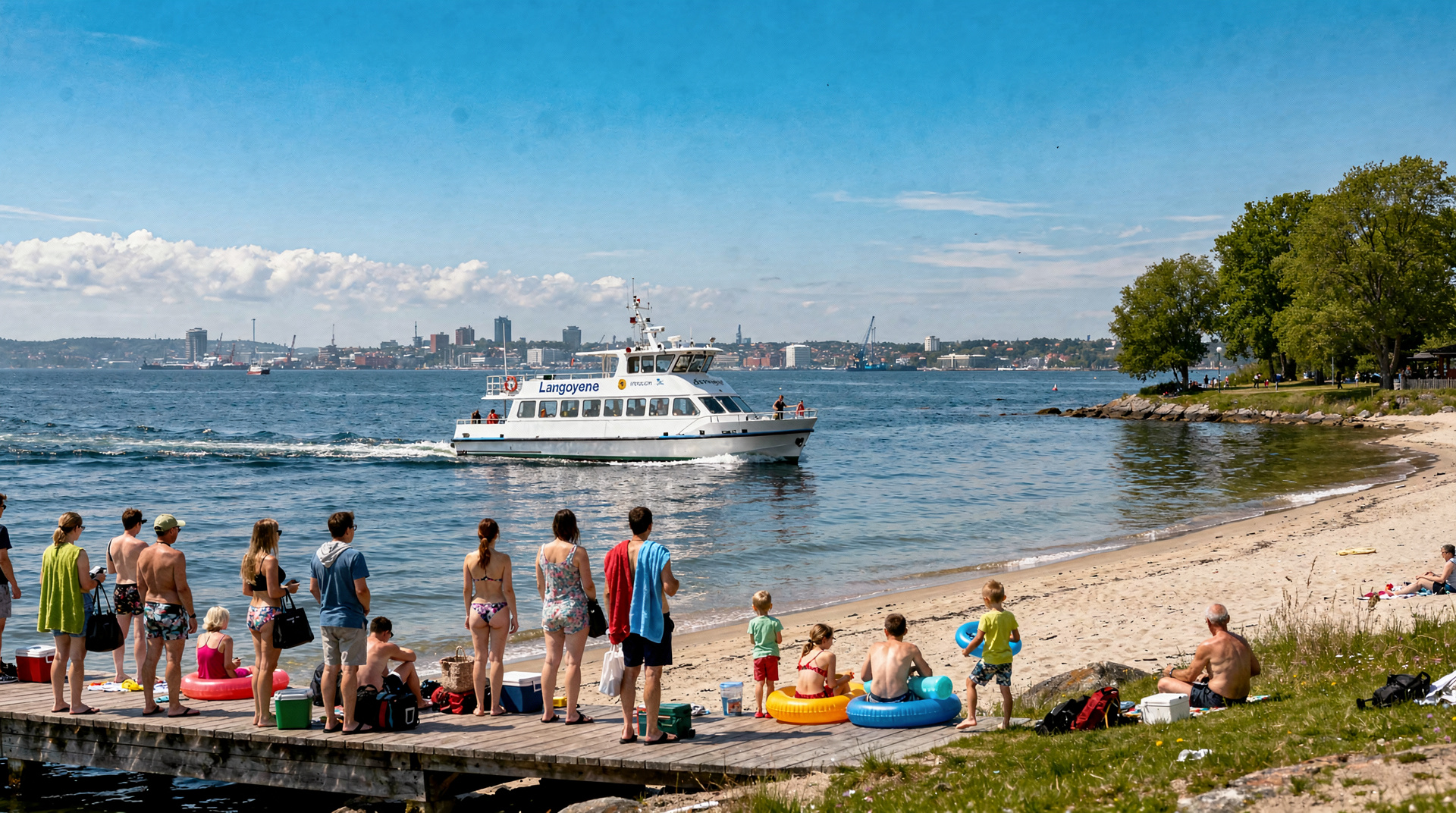
From Hovedøya we hopped the next ferry to Langøyene — the outermost of the easily accessible islands, which has a sandy beach. This is genuinely unusual for Oslo: a sandy beach, fjord water, and the city skyline visible in the background. In August the water temperature is around 19–21°C, which is cold but swimmable. The children swam. We adults sat on the rocks and ate the packed lunch we had assembled from the Rema 1000 that morning (an important family trip trick: one supermarket morning per day keeps the food costs manageable).
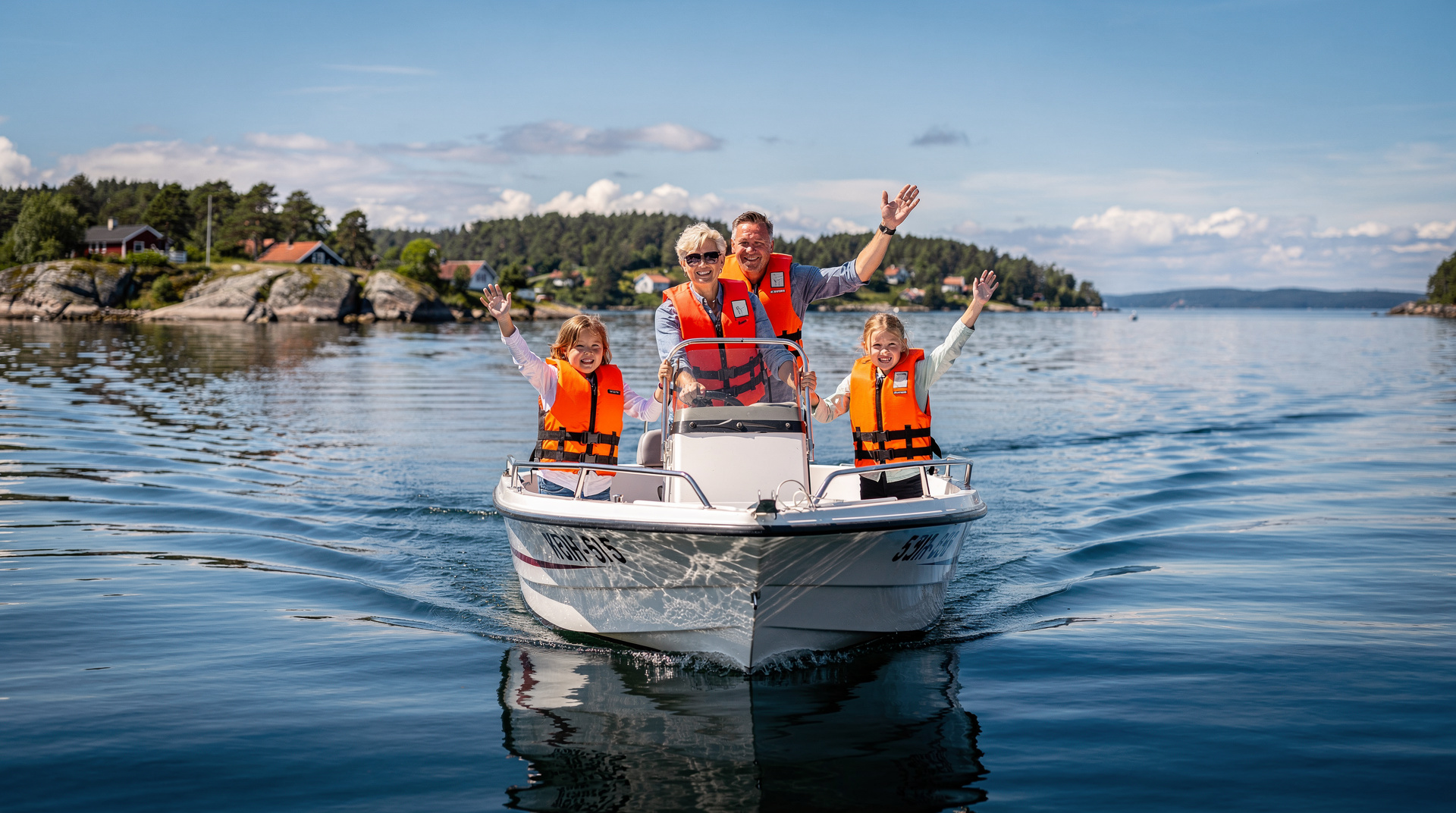
Our island hopping guide and family fjord activities guide have full logistics. The island ferry system is excellent for families — cheap, frequent, and the boats themselves are a mini adventure.
Day three: Vigeland Park and Grünerløkka
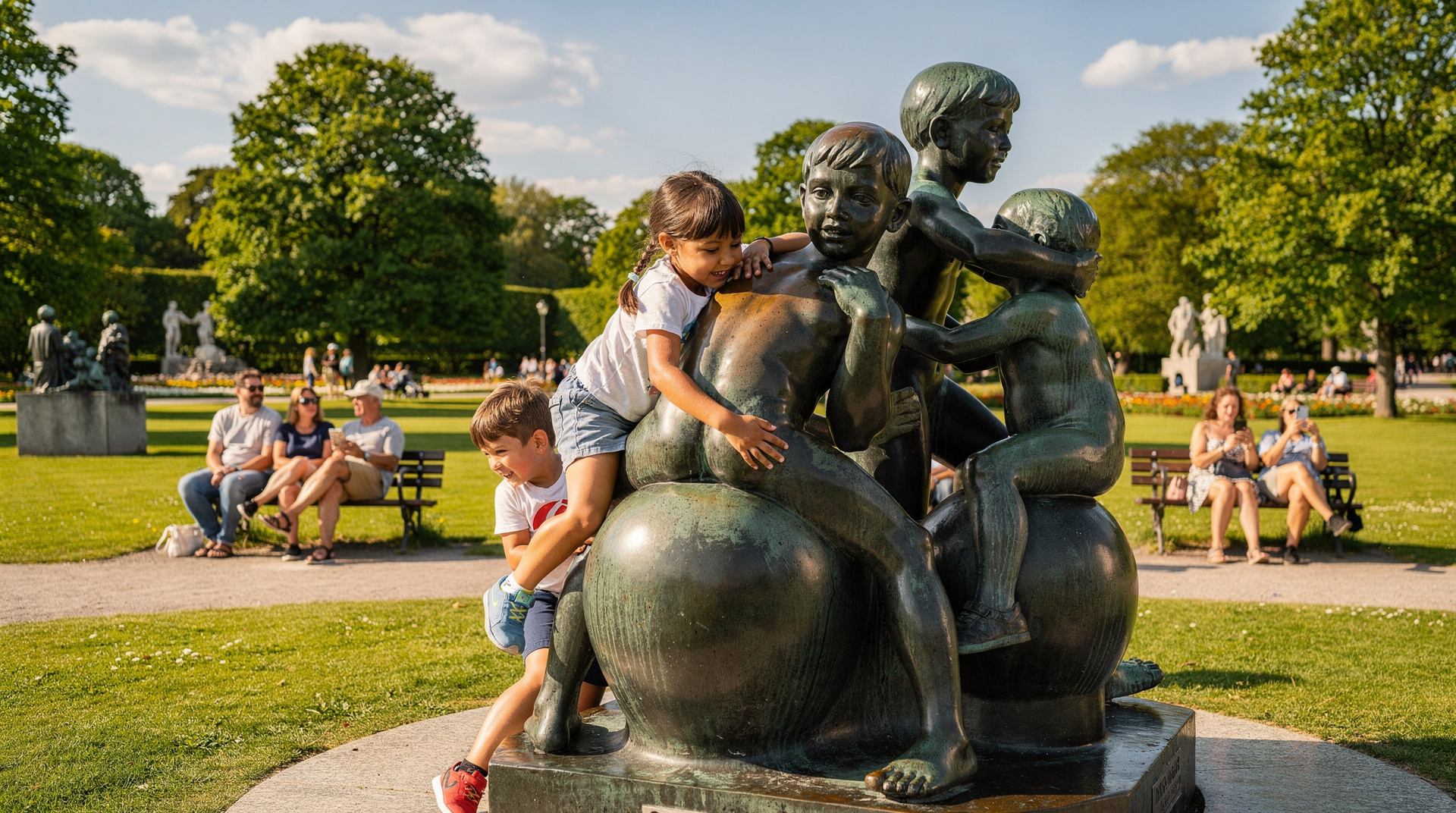
The morning was Vigeland Sculpture Park in Frogner. Parental guidance: the sculptures are remarkable but the park is large and the sculptures are, in places, very explicit in their depiction of human bodies and human conflict. Both children were fine with this (Signe was primarily interested in climbing on things, which you are not supposed to do but which it is very difficult to prevent). The Monolith — the 17-metre column of carved human figures — impressed even Signe. Mikael spent time trying to identify which of the 212 sculptures was Vigeland’s self-portrait.
Our Vigeland Sculpture Park guide has the layout and highlights.
The afternoon was Grünerløkka, specifically Olaf Ryes plass and the surrounding streets. Children’s verdicts: Mikael liked the vinyl shops; Signe liked a café that had remarkably good waffles (Signe’s metrics for places are primarily waffle-based). For parents, the coffee culture here is as good as advertised — our coffee post covers the neighbourhood roasters.
Day four: Holmenkollen and Nordmarka
Holmenkollen is excellent for children even without a ski competition. Take T-bane line 1 to Holmenkollen station (about 20 minutes from Majorstuen). The ski jump tower viewing platform costs around NOK 150 (USD 16) and the elevator ride alone produces the kind of shrieking enthusiasm that makes other visitors reassess their proximity. From the top, the city spread below is as impressive as advertised. Mikael asked to go up again immediately. We did not.
The Ski Museum in the base building was the day’s pleasant surprise — the interactive exhibits about polar exploration and the history of skiing kept both children engaged for over an hour.
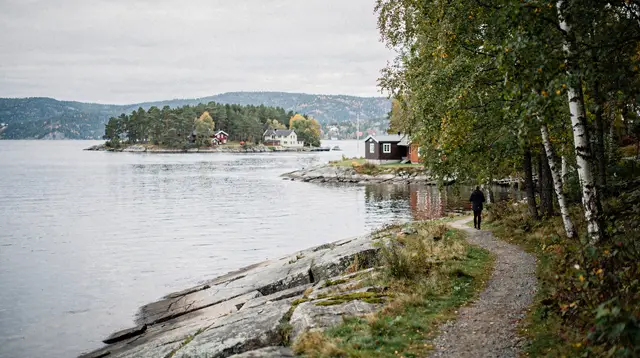
After Holmenkollen, we walked into Nordmarka for an hour on the forest paths. In August the forest is full of blueberries and raspberries growing wild, and picking and eating them as you walk is one of those experiences that children take to naturally and parents appreciate being free. For more ambitious hiking, our Oslo hiking guide and Nordmarka hiking guide cover the options.
Day five: a rainy morning and Akershus Fortress
We had one genuinely wet day, and it turned out fine. The rainy day with kids guide had already primed us for this — we walked the grounds of Akershus Fortress under umbrellas between rain bursts, which Mikael enjoyed more than expected (castles, cannons, a genuine medieval-into-Renaissance fortress with harbour views). Signe was mostly interested in finding puddles. We finished the morning at the family museums guide’s top pick for wet days, which kept both children occupied until the sky cleared enough for lunch outdoors near Aker Brygge.
What we would do differently next time
A few adjustments, with the benefit of hindsight. We would book the Oslo Pass in advance rather than deciding day by day — for a family doing two or three paid attractions daily, the family rate is close to a no-brainer, and the honest Oslo Pass assessment would have saved us some mental arithmetic mid-trip.
We would also build in one full “nothing planned” day; by day five, both children were happier with unstructured time at a playground and an ice cream than with another museum, however good. And we would check the daylight hours by season before locking in an August date — the long evenings meant we consistently over-scheduled, assuming we had more daylight-hours of energy in the children than we actually did.
What we learned about Oslo with kids
Public transport is excellent for families. Children under 18 travel free on Ruter when accompanied by a paying adult. This matters a lot across a week — it effectively removes transit as a budget item for the kids. The T-bane and trams are clean, punctual, and stroller-accessible.
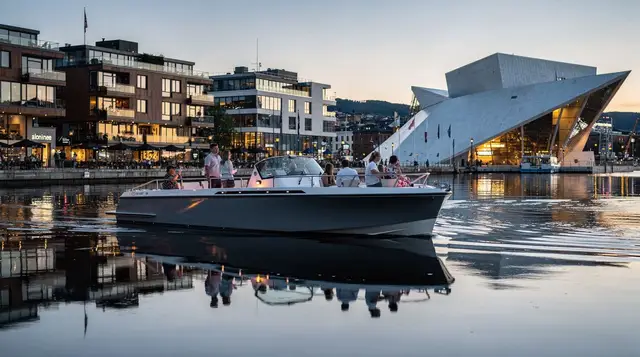
Plan around the free experiences first. The Opera House roof, Vigeland Park, the ferry rides, the island beaches, Nordmarka foraging — all free. When you have one large paid activity per day (a museum, an island ferry pass, a special excursion) and surround it with free experiences, the daily budget becomes more manageable.
The Oslo Pass is worth serious consideration for families. For a family of four planning two or three museums per day, the family Oslo Pass (which covers two adults plus two children under 16) can be excellent value. Our Oslo Pass guide and the honest Oslo Pass assessment cover the calculation.
August is beautiful but expensive. Consider late May or early September for slightly lower hotel rates and fewer crowds at the main sites. The weather at those margins is still very good, and the Bygdøy ferry and island system is fully operational.
Our complete Oslo with kids guide and the family long weekend itinerary have everything we wish we had read before we went. For days when the weather turns, our rainy day with kids guide is essential. Oslo’s combination of excellent museums, free outdoor spaces, clean transit, and a genuinely child-friendly culture makes it one of our favourite European family destinations — price notwithstanding.
Top experiences
Bookable activities with verified prices and instant confirmation on GetYourGuide.