The Scream's story: Edvard Munch and the painting that haunts Oslo
Oslo: Munch Museum admission ticket
Duration: Flexible
- Skip the ticket line
- Instant confirmation
A painting and its origin
In January 1892, Edvard Munch walked along a path overlooking the Oslofjord at Ekeberg — a short distance from where Oslo’s Opera House now stands — and experienced something that stayed with him for the rest of his life. He described it in his diary:
“I was walking along the road with two friends. The sun set. I felt a breath of melancholy — suddenly the sky turned blood red. I stopped, leaned against the railing, dead tired — and I looked at the flaming clouds that hung like blood and a sword over the dark blue fjord and city. My friends walked on. I stood there trembling with anxiety — and I sensed an endless scream passing through nature.”
He painted The Scream the following year. He painted it four times — two in paint, two in pastel. The version most people know is the first, painted in 1893 in tempera and oil on cardboard. It now hangs in the new Munch Museum in Bjørvika.
The figure in the foreground — the iconic central character with the open mouth and hands pressed to the sides of a distorted skull-like head — is not screaming. Munch’s own notes make this clear. The figure is receiving a scream, trembling in the face of nature’s overwhelming emotional intensity. The sky behind it bleeds red and orange in colours that are not quite right — too vivid, too distorted, too much. The bridge recedes behind the figure’s two companions, indifferent, walking away. The anxiety is total.
| Where | Munch Museum, Bjørvika waterfront, next to the Opera House |
| Cost | Around NOK 200 (USD 21) for adults |
| Time needed | 2–3 hours for the major works, a full day possible |
| Painted where | Ekeberg hill, overlooking the Oslofjord |
| Getting there | Short walk from Oslo Central Station |
What the painting is actually about
Art historians have spent considerable energy on what The Scream is responding to. The most literal answer is: the sunset sky over the Oslofjord in January 1892, which may have been dramatically coloured by the atmospheric effects of the 1883 Krakatoa eruption (volcanic ash can produce vivid red sunsets years after an eruption). Munch saw something real that evening.
The deeper answer is that The Scream belongs to a period in Munch’s life when he was processing profound grief, anxiety, and mental disturbance. His mother died when he was five. His sister Sophie died of tuberculosis when he was 14. He was haunted by illness — his own and his family’s — and he channelled that haunting into art with a directness that was, in the 1890s, radical. He was not painting impressionist landscapes or symbolic allegories. He was painting the texture of psychological suffering.
The Scream is the most recognisable expression of this — the painting in which external reality (the sky, the fjord, the bridge) and internal reality (terror, vertigo, dissolution of self) become indistinguishable. It is a foundational work of Expressionism and of modern art more broadly, and its influence reaches from German Expressionism through to Francis Bacon, through to the visual language of horror films and popular culture.
The thefts
The Scream was stolen twice from Norwegian museums. The first theft happened in February 1994 — the same day the Lillehammer Winter Olympics opened. Thieves broke a window at the National Gallery in Oslo, took the 1893 painting from the wall in under a minute, and left a note reading “Thanks for the poor security.” The painting was recovered three months later in a sting operation. It was undamaged.
The second theft happened in August 2004. Masked men entered the Munch Museum on Tøyen (the old location, now closed) in broad daylight, threatened staff at gunpoint, and removed both The Scream (a different version, the 1910 painting) and Madonna. The theft was audacious and the police response was, initially, chaotic. The paintings were eventually recovered in 2006, though both showed some damage from the thieves’ handling.
The new Munch Museum in Bjørvika, which opened in 2021, has security infrastructure that makes a repeat impossible. The building houses all of Munch’s works held in public ownership — the artist bequeathed his entire studio (roughly 28,000 works) to the city of Oslo on his death in 1944.
The new Munch Museum: a visit
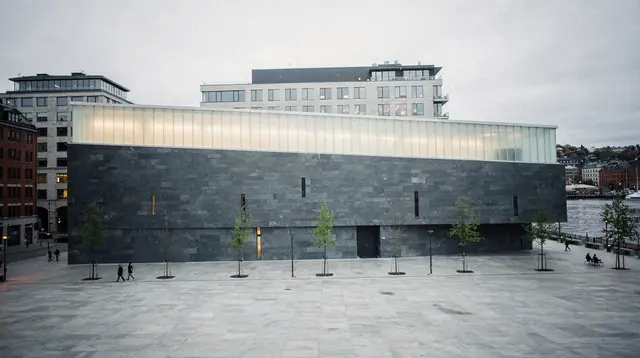
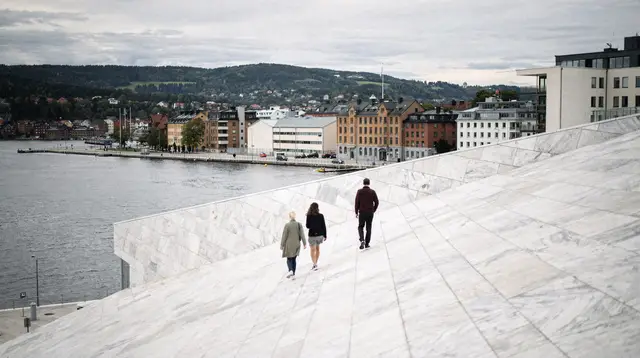
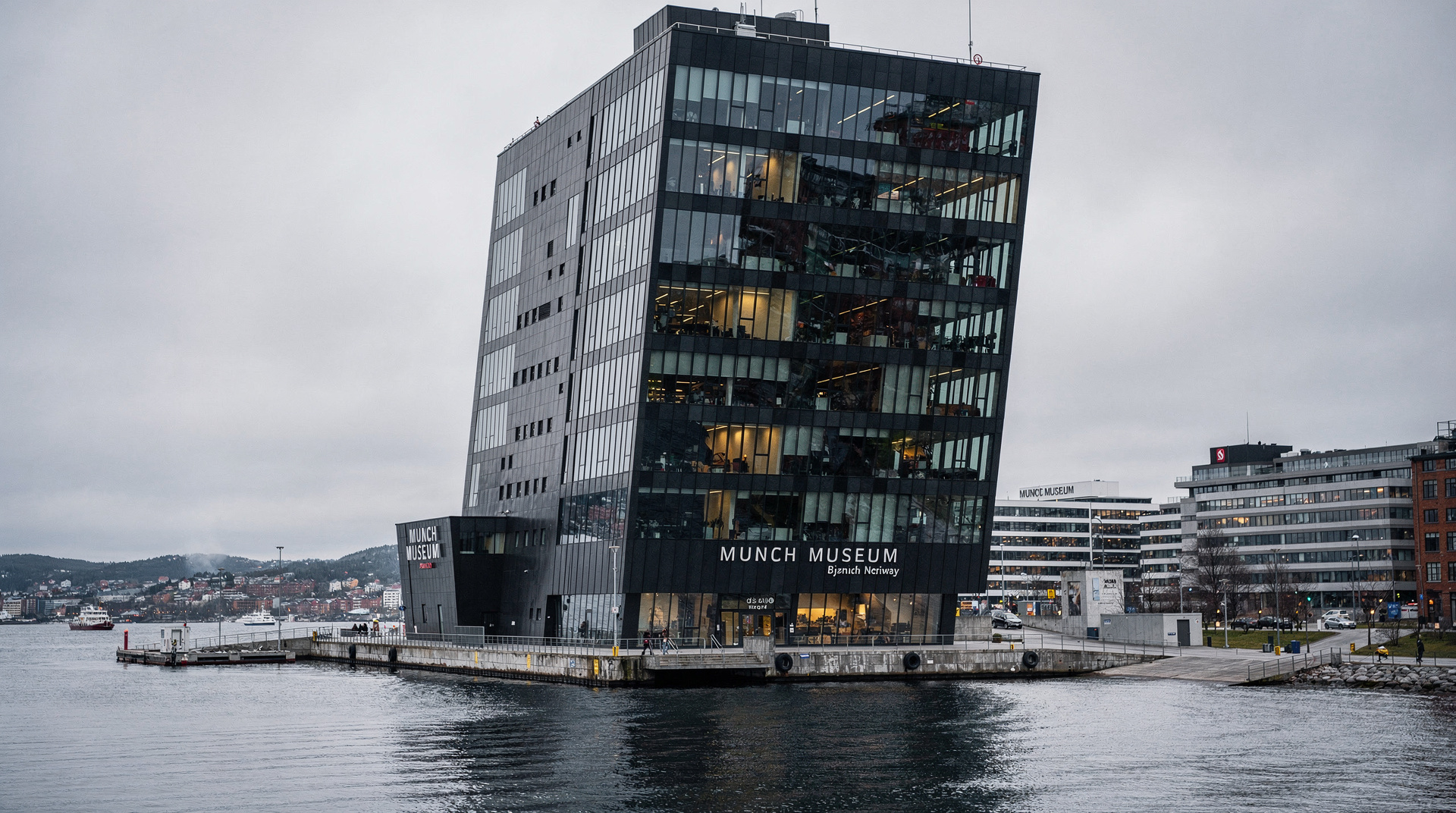
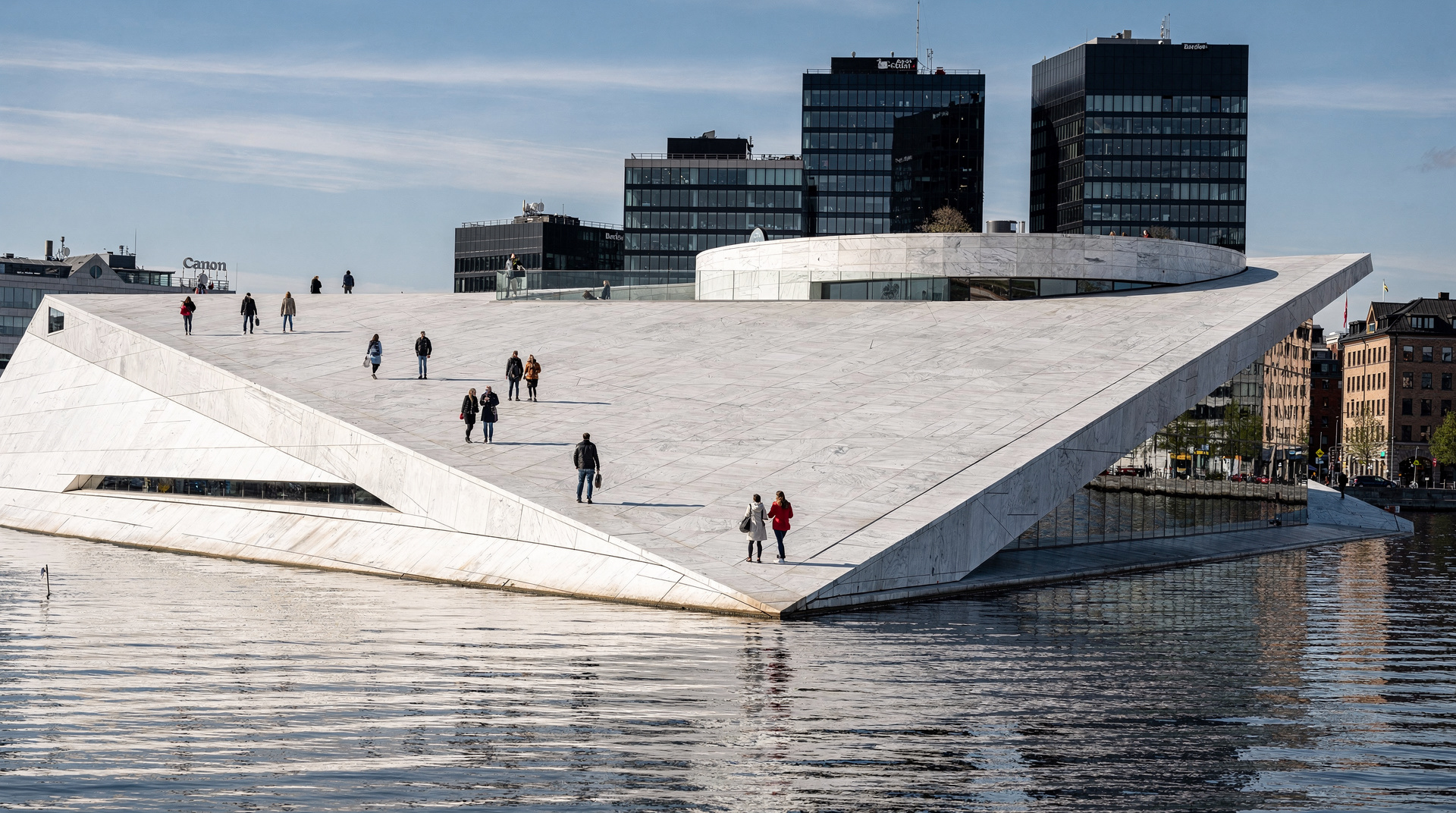
The new museum at Bjørvika was designed by the Spanish firm Estudio Herreros and is visually unmistakable — a tall, slightly leaning tower of perforated aluminium and glass that rises 13 storeys above the waterfront. Its relationship with the Opera House next door (a horizontal white marble form) is deliberately counterintuitive: two completely different architectural propositions on the same stretch of waterfront. Our guide to Oslo’s best views covers how the two buildings look from across the fjord, a perspective most visitors miss entirely.
Inside, the museum has approximately 11 floors of gallery space — more than any institution in the world devoted to a single artist. The permanent collection is enormous. A typical visit focusing on the major works takes 2 to 3 hours; you could spend an entire day and not exhaust what is available.
The ground floor café and the top-floor restaurant (NOK 300–500 / USD 32–54 for a meal) have views over the Oslofjord that match the Opera House roof for quality. The restaurant in particular, at sunset on a clear evening, is a genuinely special room — see our Oslo fine dining guide for how it compares to the city’s other high-end options.
Entry costs around NOK 200 (USD 21) for adults. Our detailed Munch Museum guide covers practical information including current hours, the permanent collection highlights, temporary exhibition schedule, and tips for avoiding the busiest periods.
Munch in context: Oslo beyond the museum
Munch’s relationship to Oslo is visible in the city beyond the museum walls. He lived and worked in Åsgårdstrand and Ekeby but spent significant time in Oslo and painted the city — Karl Johans gate in the 1890s, the harbour, the fjord — obsessively. Several of his most well-known works use Oslo as their backdrop.
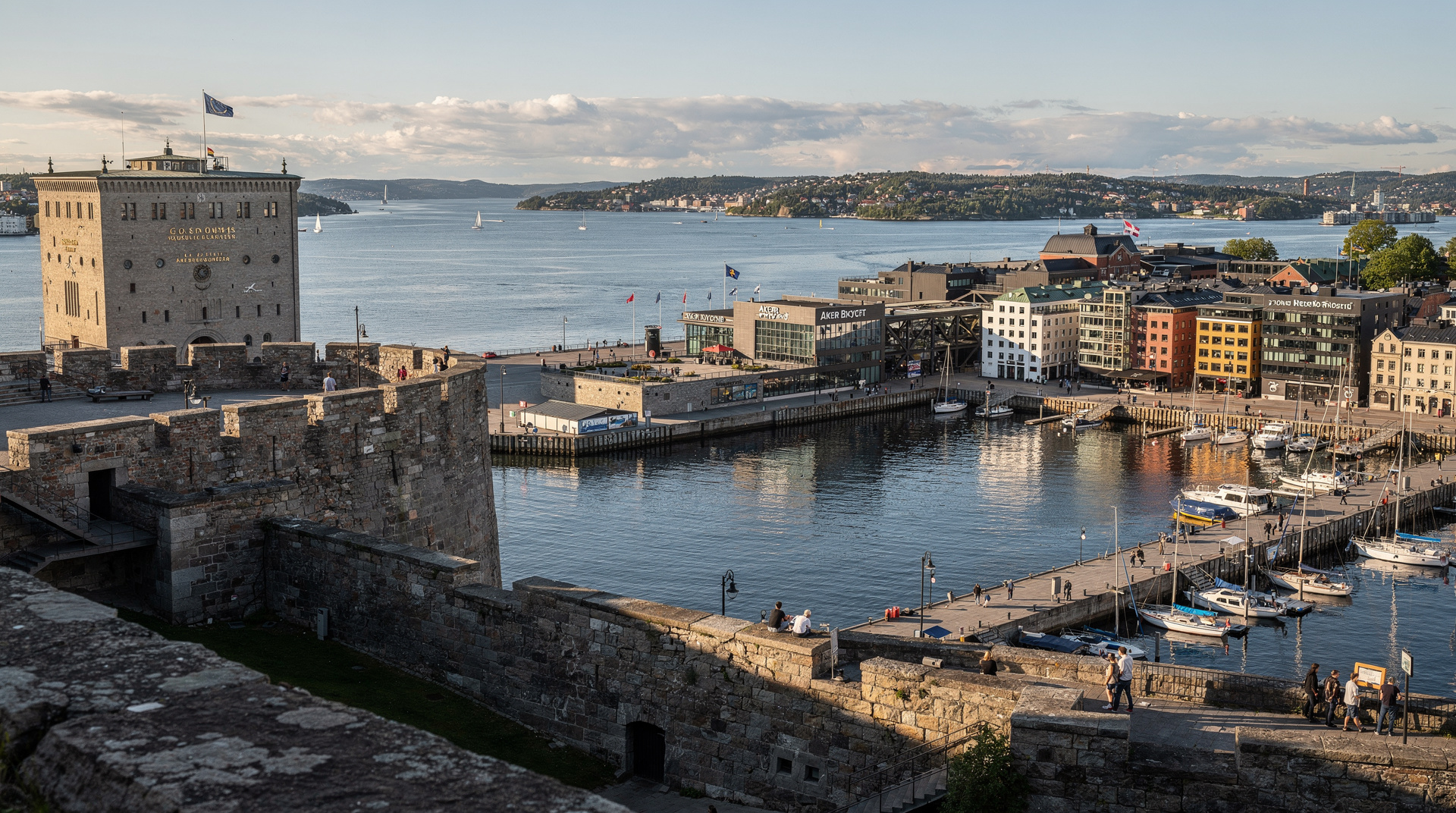
The Ekeberg hill, where he stood watching the sunset in January 1892, is now the site of the Ekeberg Sculpture Park. A modest marker indicates approximately where Munch stood. On a clear day, the view from Ekeberg toward the Oslofjord is still recognisably the view he was looking at. The sky will not, unless you are very lucky, turn blood red. But the fjord below is the same fjord, and the city along its edge is still the city he painted.
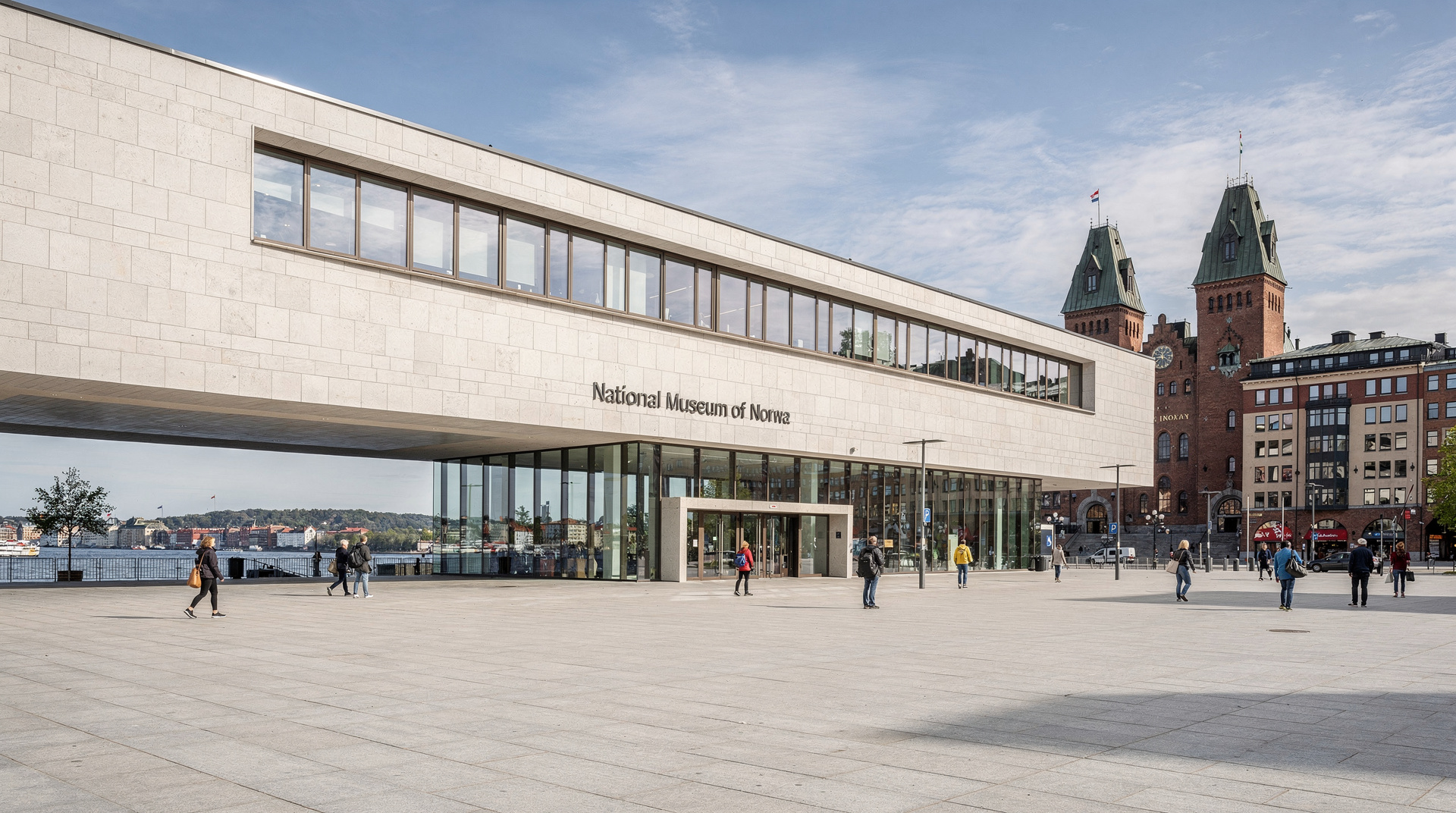
The National Museum in Sentrum (newly reopened in 2022 in Snøhetta’s spectacular building at Tullinløkka) holds the 1893 version of The Scream in its permanent collection. The choice of which version to see — the 1893 at the National Museum or the 1910 at the Munch Museum — is a pleasant dilemma. If you have time for both, the contrast is instructive: the 1893 version is rawer, more immediate; the 1910 is more controlled, the anguish slightly more processed.
Our museum ranking guide and the 2-day itinerary suggest how to combine the Munch Museum with the rest of Bjørvika and the waterfront in a single coherent half-day.
Beyond The Scream: what else to see at the museum
Focusing entirely on The Scream undersells the collection. The museum holds The Sick Child, Madonna, and the Frieze of Life series in depth, along with lesser-known photographic self-portraits and later, more colourful landscape work that most visitors never encounter because they come only for the one painting. If modern and contemporary art is more your interest than Munch’s Expressionism specifically, the Astrup Fearnley Museum across the harbour makes a good contrasting stop on the same day.
Munch’s Oslo beyond Bjørvika
Munch’s presence in the city extends past the two museums. He painted Karl Johans gate repeatedly in the 1890s, and walking the street with those paintings in mind — the crowd scenes, the strange compressed perspective — changes how it reads. The Ekeberg hillside walk described above pairs naturally with an afternoon along the street he painted obsessively a few years earlier.
Top experiences
Bookable activities with verified prices and instant confirmation on GetYourGuide.