Oslo in 2026: what is new for travellers this year
Oslo: Oslo Pass with public transport and free museum entry
Duration: 24-72 hours
- Instant confirmation
- Free public transport
- Skip museum queues
Oslo in 2026: the honest traveller’s update
Oslo is a city that changes at a measured, Nordic pace — ambitious in its planning, deliberate in its execution, occasionally slower than announced. For visitors planning a trip in 2026, a few significant developments are shaping the experience in ways that are worth knowing about before you arrive.
This is our honest summary of what is new, what has changed, and what the city looks like right now.
| Biggest wait | Museum of the Viking Age reopening, still targeting around 2027 |
| New requirement | ETIAS authorisation, expected from late 2026 |
| Transport change | contactless card payment now works on all Ruter modes |
| Cost context | NOK/USD around 9.3, still a high-cost city |
| Best plan | book museums and Flåm-route trains ahead regardless of season |
The Museum of the Viking Age: still waiting
The most significant single change that Oslo visitors are waiting for is the reopening of the Museum of the Viking Age at Bygdøy — formerly the Viking Ship Museum — which has been closed since 2020 for a major rebuild. The current official target for reopening remains approximately 2027, though preliminary indications from the project in early 2026 suggest the timeline is holding.
The building under construction at Bygdøy will be significantly larger than the original museum, with expanded gallery space and modernised conservation facilities for the Oseberg, Gokstad, and Tune ships. The architectural design by Gastón Henríquez, selected through international competition, has been praised for its sensitive integration with the Bygdøy landscape.
Until the museum opens, the best alternatives for Viking history in Oslo remain Viking Planet in the city centre and the Historical Museum on Frederiks gate. See the Viking Ship Museum status guide for the most current information.
ETIAS: the new entry requirement for non-EU visitors
From approximately late 2026, visitors from countries that currently enter the Schengen Area without a visa — this includes the United States, Canada, the United Kingdom, Australia, and most other developed nations — will require an ETIAS (European Travel Information and Authorisation System) authorisation to enter Norway.
ETIAS is not a visa. It is a pre-travel authorisation, similar to the US ESTA or the Australian ETA, applied for online. The cost is expected to be approximately 7 EUR (around NOK 80). It is valid for three years and covers multiple trips within the Schengen Area.
For 2026, the implementation timeline has been unclear. As of early 2026, the system is not yet mandatory, but travellers planning trips to Norway in the second half of 2026 should monitor the official guidance. The Norwegian government’s travel entry requirements page is the authoritative source.
Flytoget merger with Vy
Flytoget — the dedicated airport express train that has run between Gardermoen airport and Oslo Central Station since 1998 — is in the process of integration with Vy, the state railway operator. The merger is expected to complete in 2027, with the Flytoget brand being absorbed into the Vy network.
In practical terms for 2026 visitors, Flytoget still operates as a separate service with its own ticketing. The journey takes 19 minutes and costs NOK 229 (USD 25) one-way. The alternative Vy regional train takes 23 to 27 minutes and costs NOK 118 (USD 13). Both options remain available.
The Flytoget vs Vy train comparison guide covers the current options and what the price difference actually buys you.
The Munch Museum and the National Museum: fully established
Both of Oslo’s major museum openings of the early 2020s — the Munch Museum in its striking Lambda tower at Bjørvika (opened 2021) and the National Museum in its vast new building at Aker Brygge (opened 2022) — are now fully operational and have settled into their roles as Oslo’s anchor cultural institutions.
The initial debates about the Munch Museum’s architecture (the Lambda tower divided opinion sharply when it opened) have receded and the museum is simply a world-class Munch institution drawing visitors for both its collection and its views. The National Museum, which holds the world’s largest collection of Norwegian art alongside significant design and architecture collections, has established itself as the essential Oslo cultural visit.
Both museums are well worth extended time. The Oslo museums ranked guide provides our honest assessment of how to prioritise your museum visits.
Transport updates: the electric bus transition
The Ruter public transport network continues to expand its electric fleet. By 2026, the majority of Oslo’s bus routes are operated by electric vehicles, with the remainder on biodiesel. The T-bane and tram networks remain unchanged in their routes and ticketing.
A notable practical update: contactless card payment is now accepted on all Ruter modes, including the island ferries. The previous requirement to use a dedicated Ruter travel card or the Ruter app has been relaxed — you can tap your Visa or Mastercard contactless directly at bus and tram validators. This makes navigation significantly easier for first-time visitors.
The Ruter public transport guide has the current fare structure and practical usage tips.
What 2026 Oslo costs
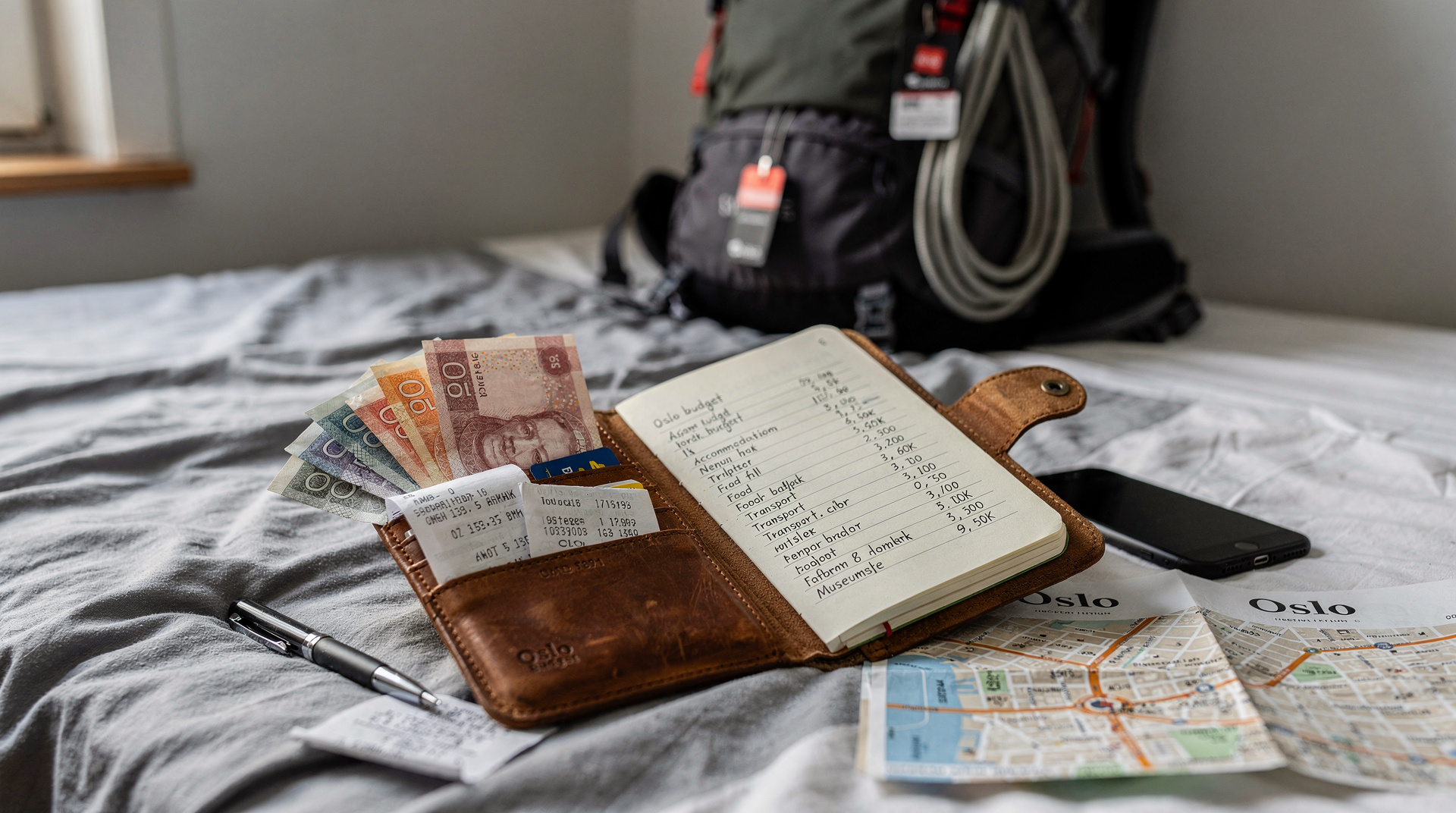
Oslo’s price level continues to be among the highest in Europe. As of early 2026, the NOK/USD exchange rate is approximately 9.3, meaning the city is somewhat more accessible for US visitors than it was in 2022 (when the rate was around 9.8 to 10.0) but still firmly in the expensive category.
A mid-range hotel in central Oslo costs NOK 1,400 to 2,200 per night (USD 150 to 237). A restaurant main course at a mid-range restaurant runs NOK 280 to 380 (USD 30 to 41). A beer in a bar costs NOK 95 to 130 (USD 10 to 14). A Ruter day pass is NOK 115 (USD 12).
The Oslo trip cost guide breaks down realistic daily budgets across three levels. The is Oslo expensive guide provides context for where the prices are justified and where they are not.
New openings worth knowing about
Oslo’s restaurant and bar scene turns over more slowly than comparable European capitals — the high operating costs mean that new openings are less frequent and tend to be more carefully conceived. In 2025 and early 2026, a few openings are worth noting for visitors interested in food:
The food and restaurant scene in Grønland has continued to develop, with the neighbourhood’s long-established concentration of affordable ethnic restaurants joined by a newer wave of more ambitious openings that bring Grønland’s food diversity to a wider Oslo audience. Grønland remains the best value-per-quality proposition in Oslo for dining.
The Tjuvholmen gallery district continues to attract design-focused café and restaurant openings that pair well with visits to the Astrup Fearnley Museum. This neighbourhood has settled into its identity as Oslo’s design and contemporary art hub.
The sauna and cold-plunge scene keeps growing
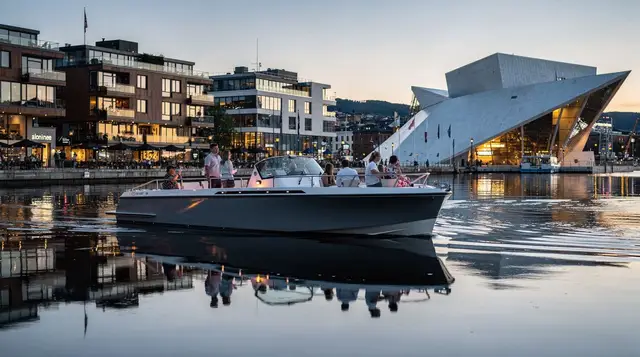
One genuine 2026 trend worth flagging is the continued expansion of Oslo’s floating sauna culture along the harbour and inner fjord. What started as a handful of operators has grown into a proper scene, with more vessels moored around Aker Brygge, Sørenga, and Bjørvika than in previous years, most offering a sauna session followed by a cold plunge directly into the fjord. The floating saunas guide and the sauna etiquette guide cover what to expect and how to book, and the practice has become genuinely mainstream among both locals and visitors rather than a novelty activity.
What has not changed
It is worth being equally honest about what 2026 has not brought. There is no discount version of Oslo coming; prices continue to track among the highest in Europe, and no infrastructure change on the horizon is likely to alter that. The daily costs guide remains the most reliable planning tool for a realistic budget. Weather patterns also remain unchanged — do not expect a 2026 update to Oslo’s genuinely unpredictable summer conditions; pack layers regardless of season, as the daylight hours by season guide explains in more depth.
How to plan a 2026 Oslo trip
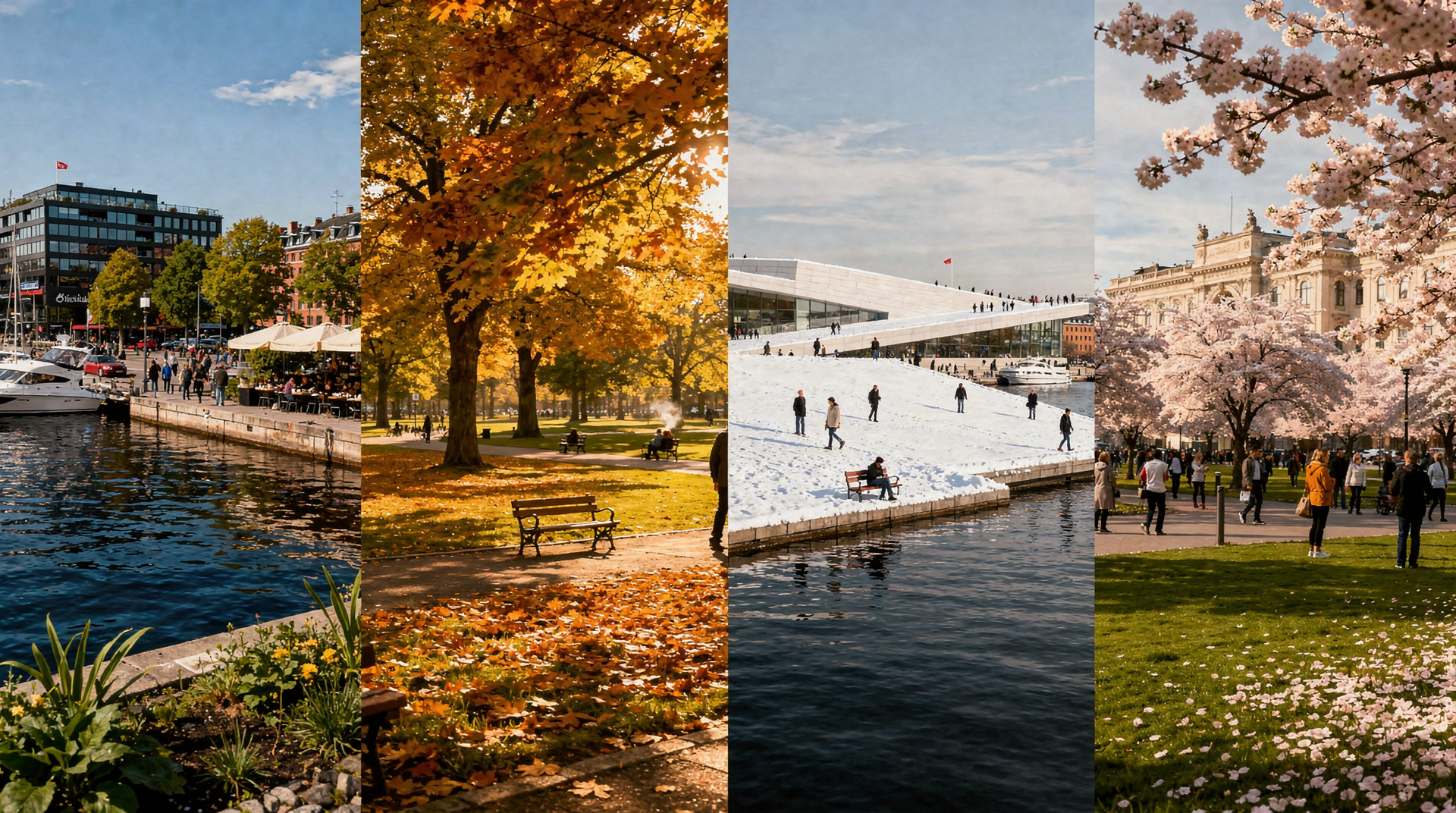
For first-time visitors, the essential framework remains what it has been: choose your season carefully (summer for outdoor and fjord activity; winter for skiing and cultural immersion), budget realistically for the costs, and prioritise depth over breadth.
The how many days in Oslo guide gives our honest assessment of what different trip lengths allow. The is Oslo worth visiting guide addresses the cost-value question directly.
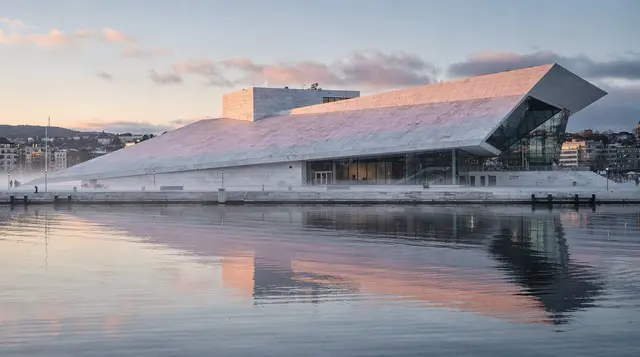
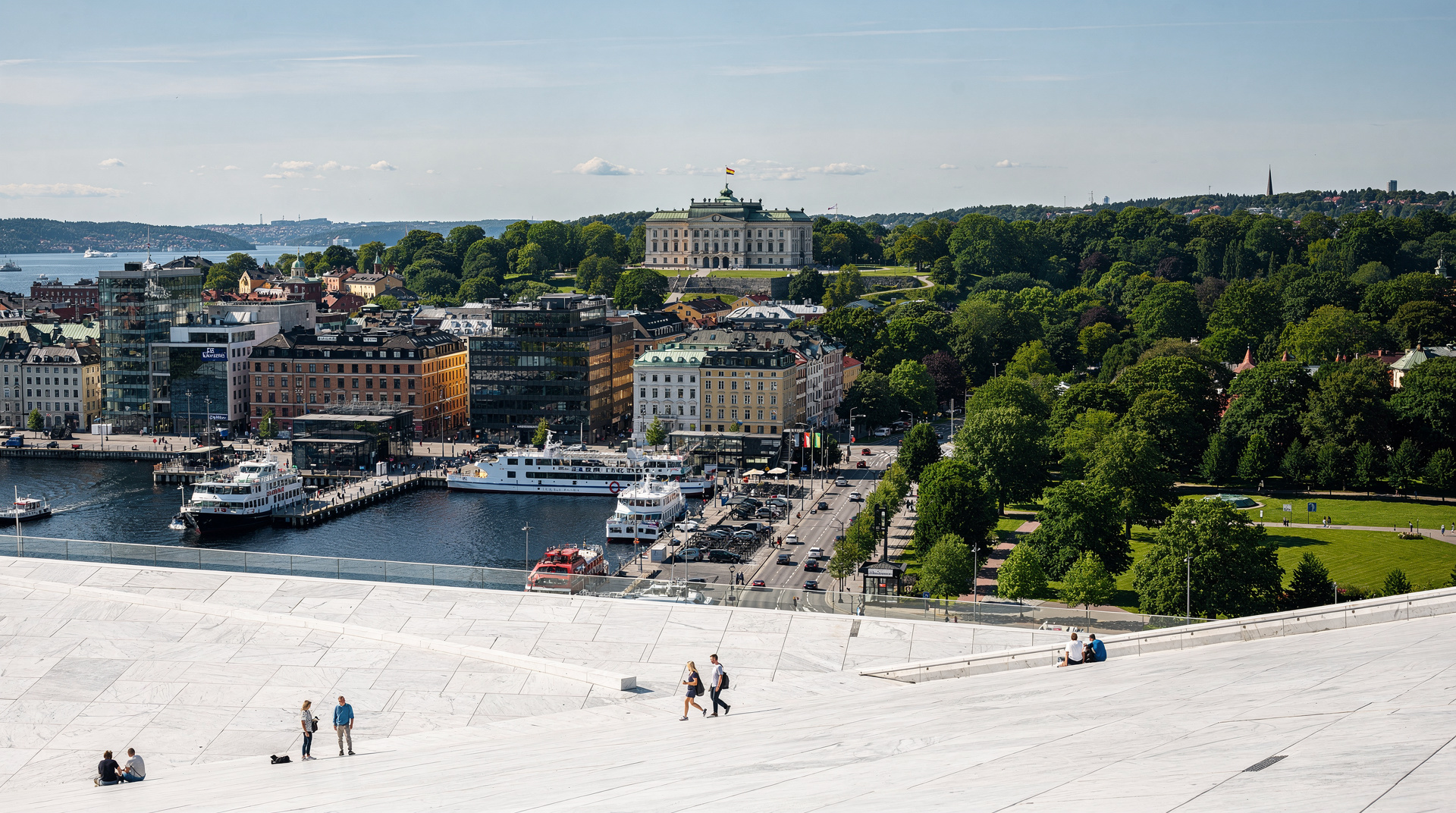
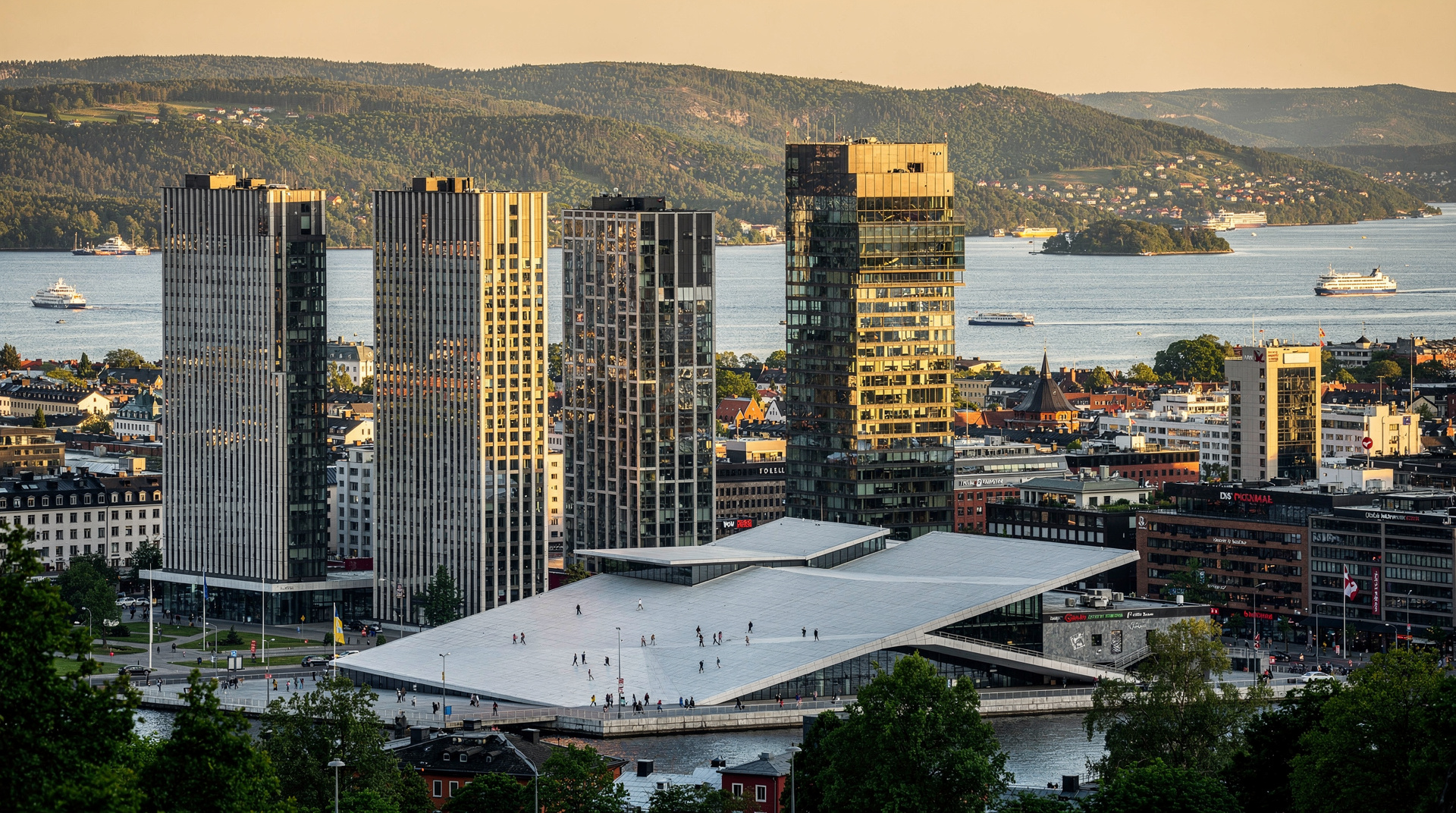
Oslo in 2026 is not a city in transformation — the big changes are behind it (Opera House 2008, National Museum 2022, Munch Museum 2021, progressive car-free policy). It is a city that has built the version of itself it was aiming for and is now simply being it, which is a pleasant stage for a city to reach and a good time to visit.
Top experiences
Bookable activities with verified prices and instant confirmation on GetYourGuide.