Why Oslo is worth the price — an honest defence
Oslo: Oslo Pass with public transport and free museum entry
Duration: 24-72 hours
- Instant confirmation
- Free public transport
- Skip museum queues
The objection we hear most often
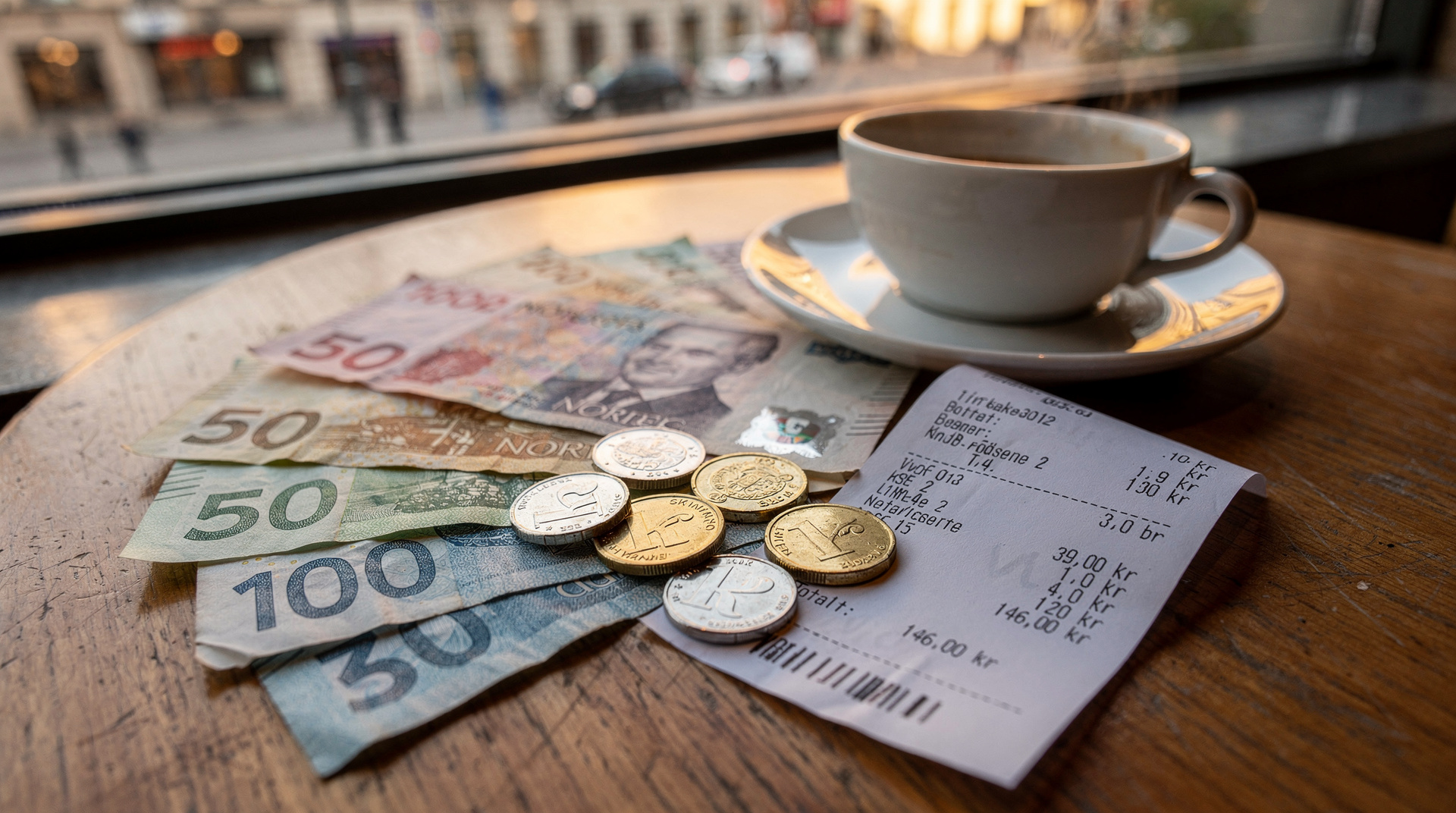
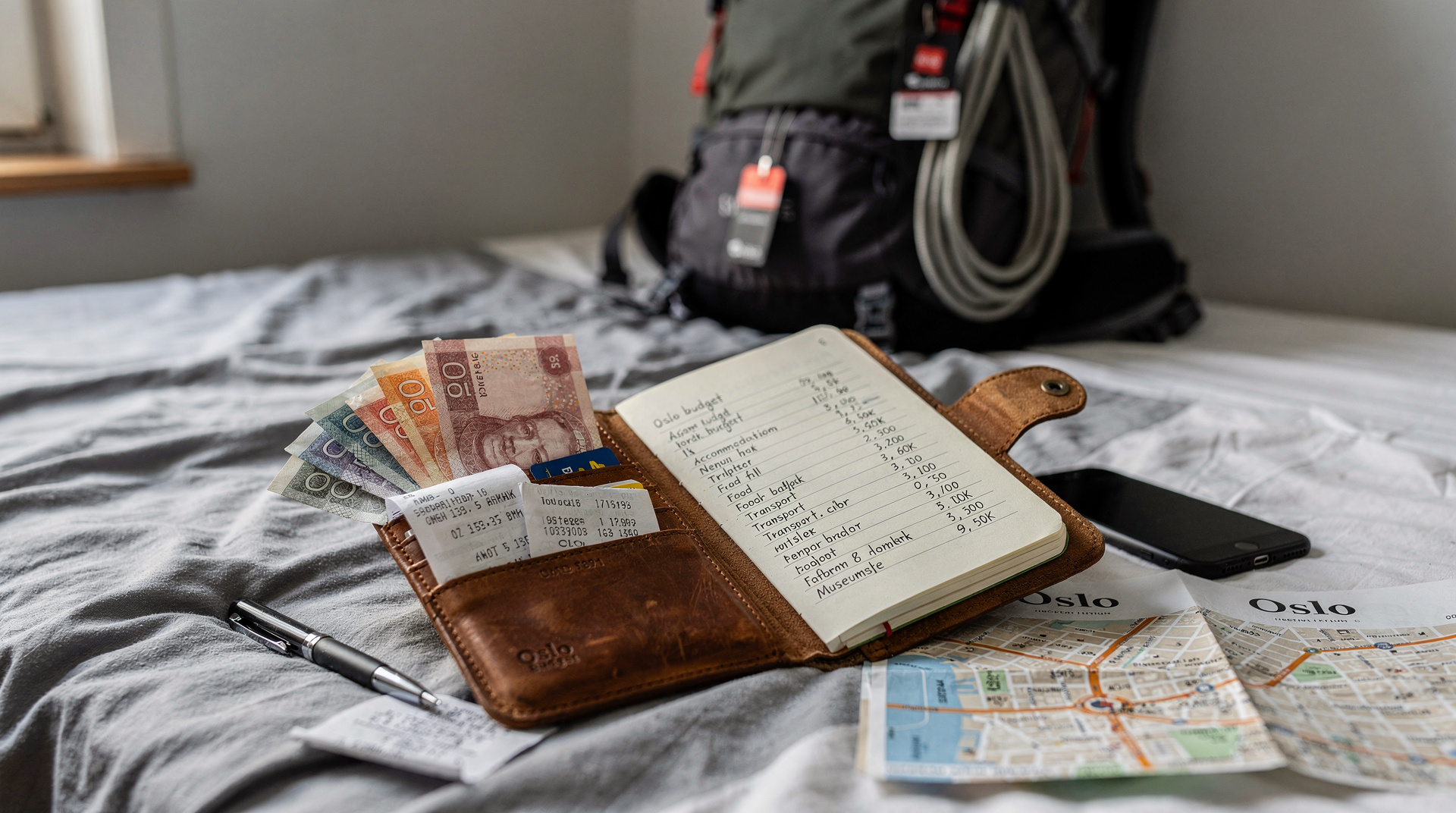
“I would love to visit Oslo, but isn’t it absurdly expensive?” We get some version of this question at least once a week, and we understand it completely. Oslo regularly appears near the top of European cost-of-living indexes. A cappuccino costs NOK 65–75 (USD 7–8). A pint of beer in a bar costs NOK 100–130 (USD 11–14). A sit-down dinner for two with wine will rarely come in under NOK 900 (USD 97), and often runs to NOK 1,200–1,500 (USD 129–161).
These numbers are real. We are not going to sugarcoat them or suggest that if you just know the right tricks you can travel Oslo for the same price as Prague. You cannot. Oslo is expensive, period.
But expensive is not the same as bad value. Here is our honest assessment of what the money buys you — and why we think it is often worth it. Our companion is Oslo expensive guide goes through the category-by-category comparison against other European capitals if you want the full breakdown before reading on.
| Cheapest daily budget (workable) | NOK 900–1,200/day (heavy use of free experiences) |
| Comfortable daily budget | NOK 1,500–2,000/day |
| Where money is unavoidable | Restaurants, alcohol, taxis |
| Where it is genuinely cheap or free | Transit, nature, many museums, parks |
| Best value season | May or September (lower rates, thinner crowds) |
What you get for the price
Infrastructure that actually works. Oslo’s public transport system — run by Ruter — is clean, punctual, and covers the whole city. A single Ruter journey costs NOK 42 (USD 4.50), and the network includes trams, buses, the T-bane metro, suburban trains, and the harbour ferries to Bygdøy and the islands. You will almost never wait more than 10 minutes for anything. After cities where the transit system is a daily ordeal, this alone has a measurable effect on holiday quality.
Safety. Oslo is one of the safest cities in the world by any measure. You can walk alone at 2 am in almost any neighbourhood without concern. This is not nothing. The cognitive tax of constant low-level alertness that you experience in some cities simply does not exist here.
A quality floor that is genuinely high. When you pay NOK 250 for a restaurant lunch in Oslo, you typically get good food, good service, clean surroundings, and a properly made coffee afterwards. The “tourist trap” problem exists — see our tourist traps guide — but even the average places are usually decent. The floor is raised. You are unlikely to have genuinely bad food experiences in the way you might in a cheaper city with lower quality standards.
Extraordinary natural surroundings that cost nothing. This is perhaps the most underrated aspect of Oslo’s value proposition. The city sits at the head of the Oslofjord, surrounded by forests and hills. Vigeland Sculpture Park in Frogner is free. The 9 km Akerselva river walk from Maridalsvannet to Bjørvika costs nothing.
Nordmarka forest — hundreds of square kilometres of hiking and ski trails — is accessible by metro (T-bane line 5 to Frognerseteren takes about 35 minutes from the city centre). In summer, swimming from the rocks and beaches near the city is free. In winter, cross-country skiing in Nordmarka is largely free once you have skis.
A place to stay that does not have to break you. Accommodation in Oslo is often assumed to carry the same premium as restaurants, but this is not quite true — mid-range hotels and apartments in Oslo are frequently comparable to or cheaper than equivalent options in London, Paris, or Zurich, especially outside the very centre. Our where to stay in Oslo guide covers the neighbourhoods where this holds truest.
World-class museums at reasonable prices. Entry to the Munch Museum is NOK 200 (USD 21). The Fram Museum, which houses the actual polar exploration vessel Fram in a hall you walk through, costs NOK 200 (USD 21). The Norsk Folkemuseum — an open-air museum of 150 historical buildings from across Norway, staffed with costumed interpreters in summer — is around NOK 220 (USD 24). By the standards of major cities, these are very reasonable prices for institutions of this quality.
The free Oslo that most visitors miss
The mistake most people make with Oslo is treating it like a theme park — entry fees everywhere, everything metered, nothing free. The reality is quite different.
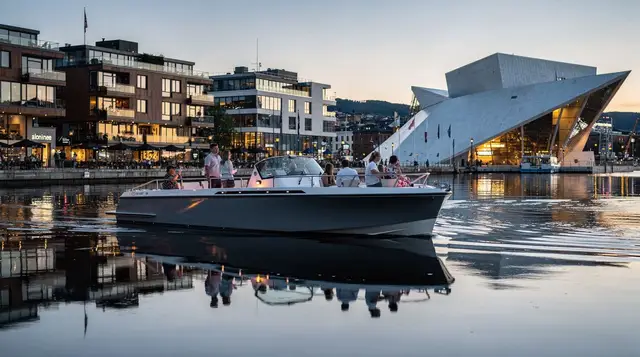
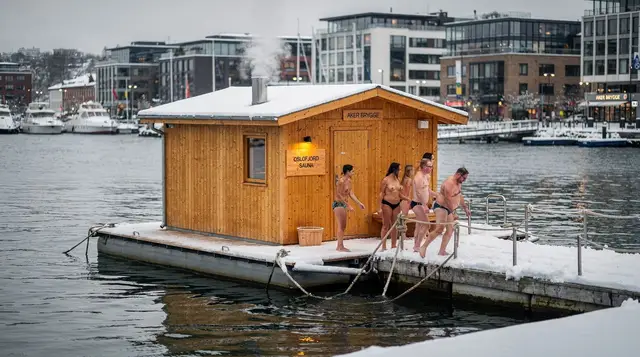
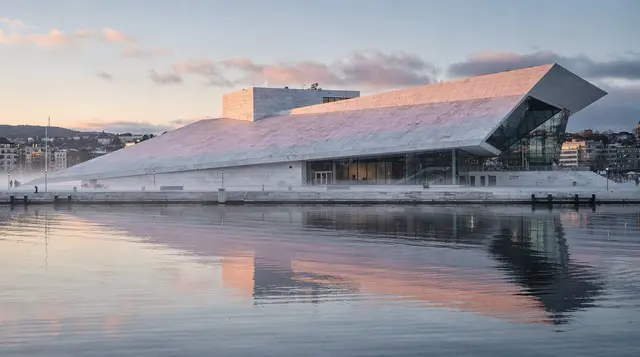
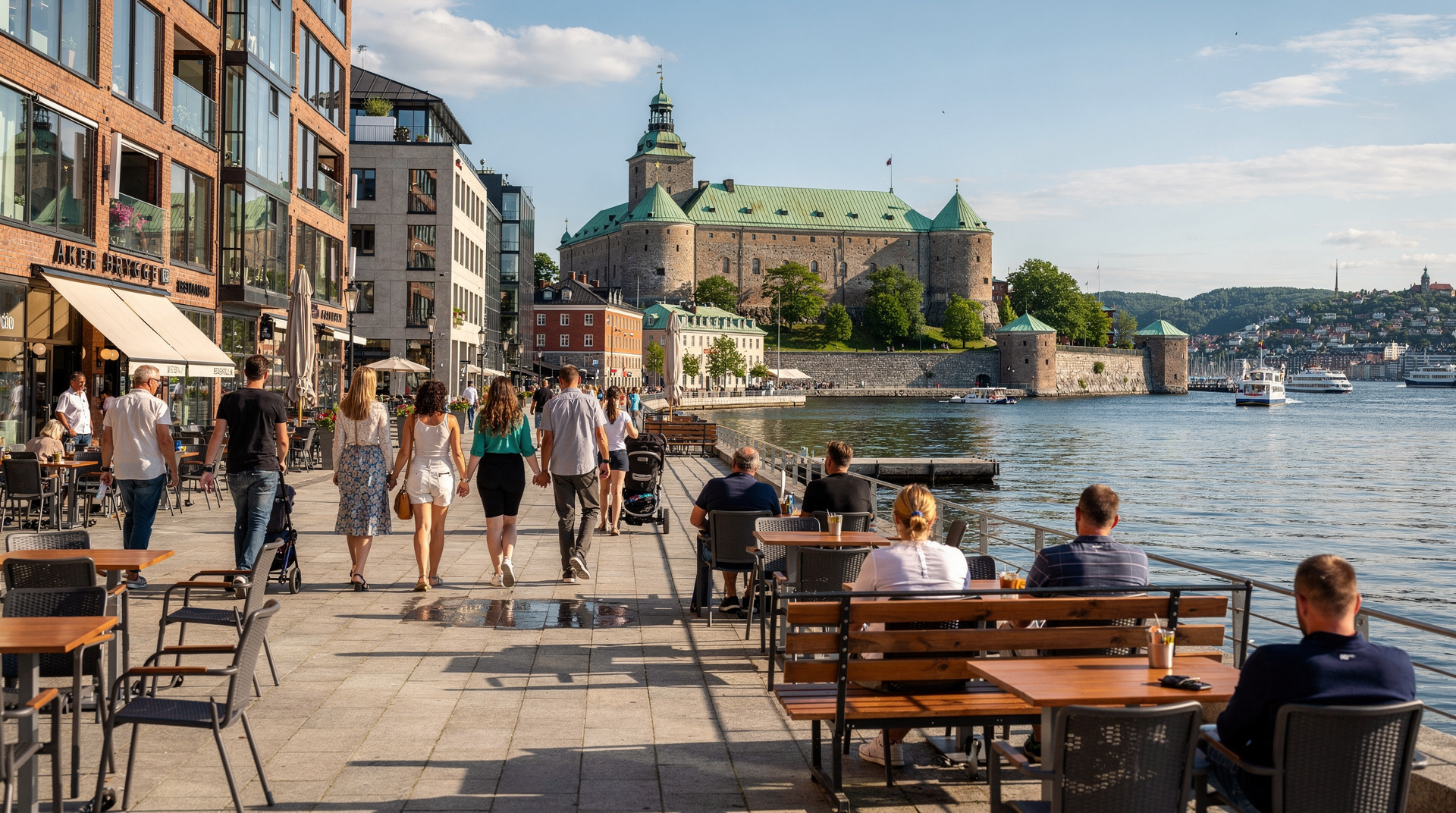
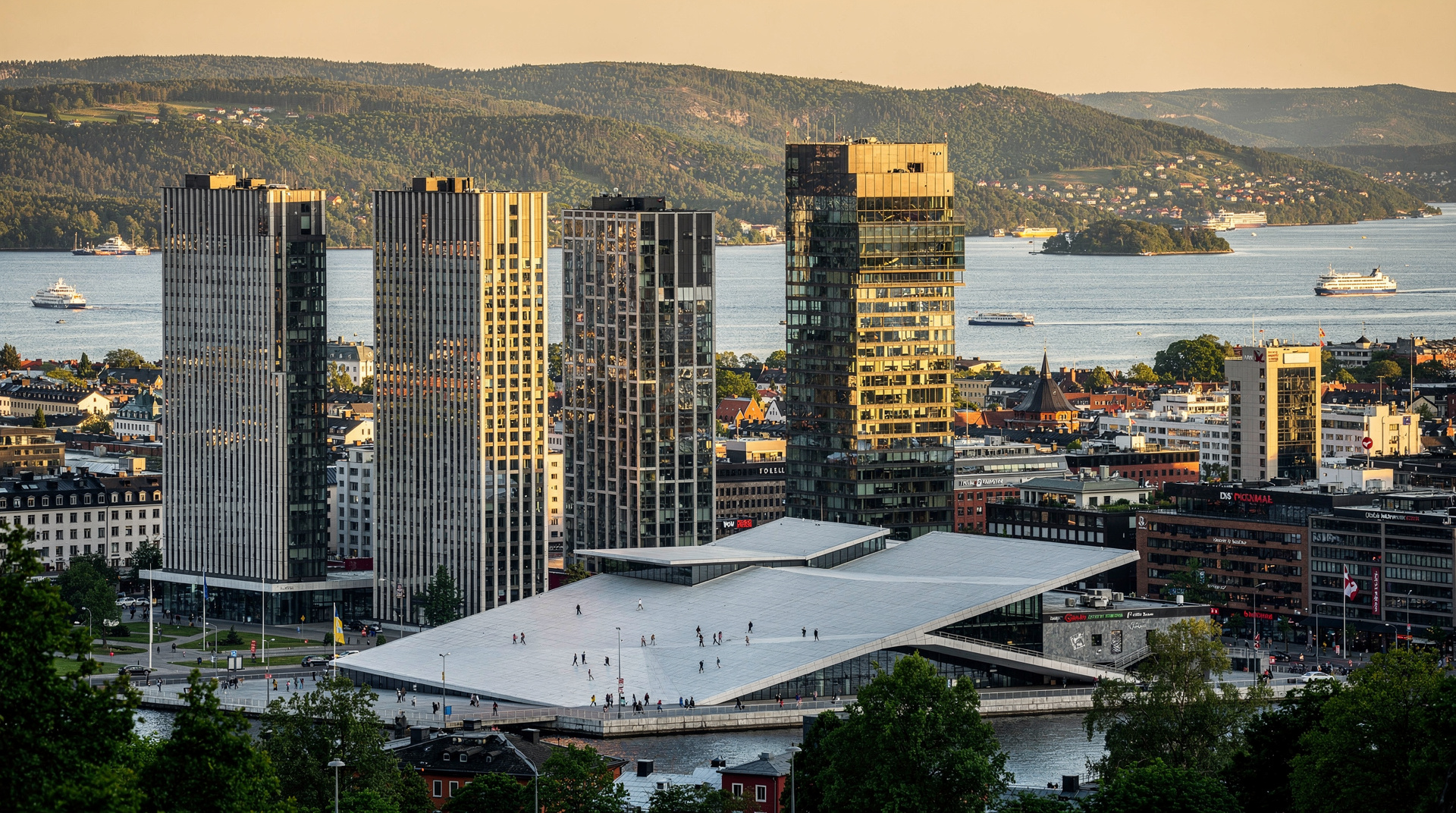
The roof of the Oslo Opera House is free and one of the finest urban viewpoints in Europe. The National Museum is free on Thursdays after 5 pm. Aker Brygge and Tjuvholmen are free to walk and genuinely beautiful. The Royal Palace grounds are free year-round (the palace interior tours run in summer for around NOK 175 / USD 19). Karl Johans gate, Grünerløkka, and the Akerselva walk are all free experiences. The city’s architecture itself — particularly the Bjørvika development — is worth substantial time and costs nothing.
Our complete guide to free things in Oslo lists over 25 activities that cost nothing. It is a long list.
Where not to spend
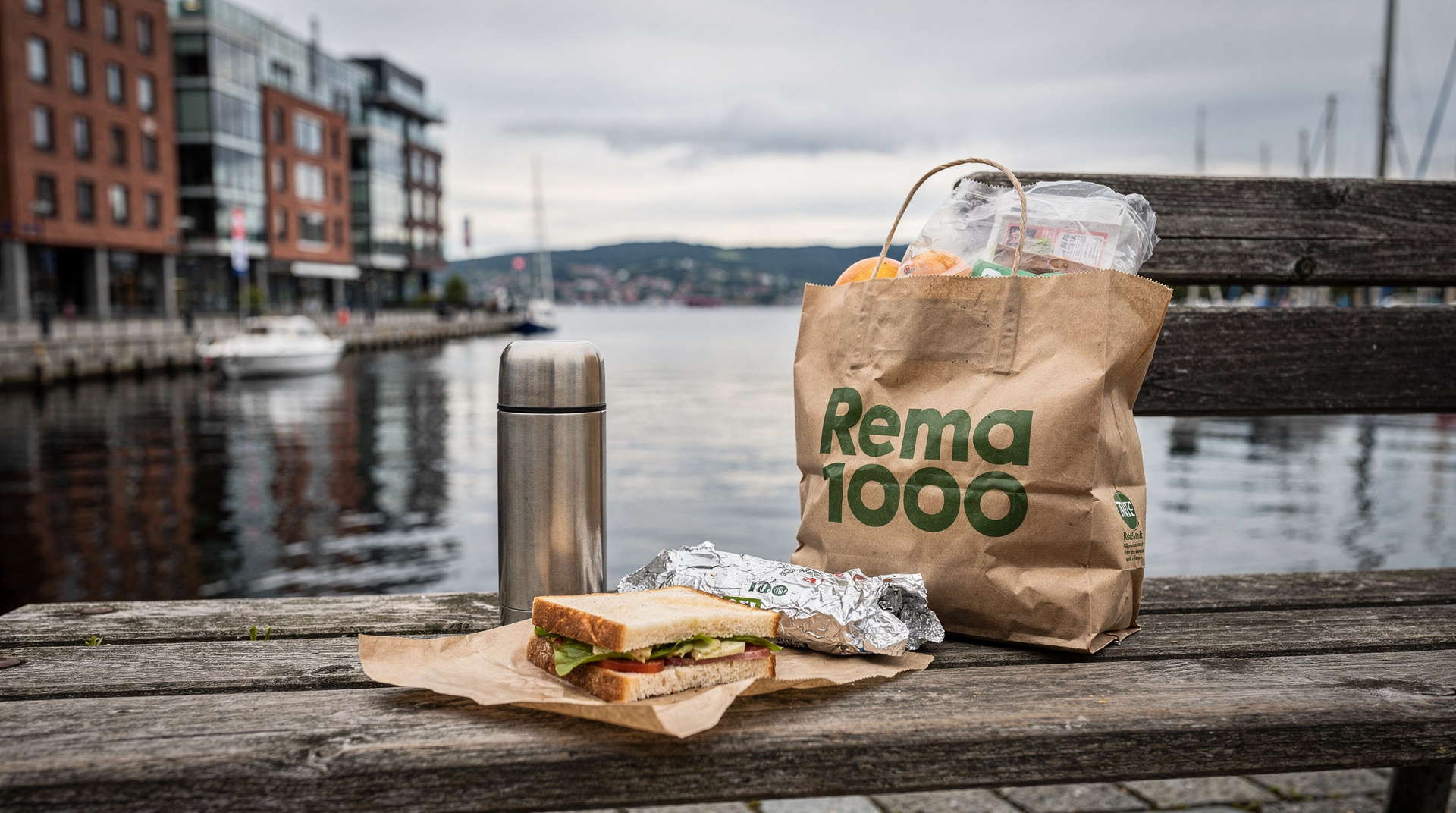
The single best piece of advice we give people visiting Oslo is: eat at least one meal a day from a supermarket. This is not deprivation — Norwegian supermarkets (Rema 1000, Kiwi, Coop Extra) stock excellent prepared foods, good cheese, smoked salmon, rye bread, and the kind of Nordic pickled and preserved things that are genuinely interesting to try. A supermarket dinner that costs NOK 150 (USD 16) for two people is often more culturally educational than a restaurant meal at ten times the price.
Similarly: pre-book alcohol if you drink. Norway’s alcohol retail monopoly (Vinmonopolet) means wine and spirits are only sold at state shops, and prices are significant — a decent bottle of wine from Vinmonopolet costs NOK 150–300 (USD 16–32). Bring wine from your home country if your airline allows it. Drink beer at home rather than in bars. When you do go to bars, factor in the cost and enjoy it deliberately rather than drinking on autopilot.
See our budget eats guide and the full Oslo on a budget guide for specific recommendations that save real money without sacrificing experience.
If you know you will visit several paid museums, work out the Oslo Pass maths before you arrive rather than deciding day by day — for two or more attractions daily it is often the cheapest route through the city’s best sights, transit included.
The honest comparison
Compare Oslo to other major European capitals you might spend the same total trip budget on. A week in Oslo costs more per day than a week in Paris, Prague, or Lisbon. But the experience is genuinely different — wilder, cleaner, safer, and with a natural environment woven into the city fabric that no Mediterranean or central European capital can match.
Whether it is “worth it” depends entirely on what you value. If you optimise for restaurant meals and nightlife, Oslo will punish your budget without proportionate reward. If you value outdoor access, design, safety, a functioning city, and a very particular Scandinavian quality of life, it is excellent value. The city has a strong case to make — you just need to meet it on its own terms.
What we tell people
We tell people: go in May or September if you can. The weather is still good, the prices are slightly lower (summer premium applies June–August), the crowds are thinner, and the light is extraordinary. Budget NOK 1,500–2,000 per day (USD 160–215) for a comfortable experience including one museum, one fjord activity, restaurant lunches and supermarket dinners. Plan your free experiences first. Do not try to replicate a Barcelona or Rome trip in Oslo and then complain that it costs more — it does, and it is a different kind of city offering a different kind of reward.
The people who love Oslo tend to love it deeply and return. The ones who feel burned by the cost are usually the ones who did not adapt their rhythm to the city. Our Oslo trip cost guide breaks down realistic daily budgets across different travel styles, and the budget calculator lets you run your own numbers before you book, alongside the broader Oslo daily costs guide covering every category. There is no trick. The city is expensive. It is also, if you go in with open eyes, entirely worth it.
Top experiences
Bookable activities with verified prices and instant confirmation on GetYourGuide.