Solo travel in Oslo: safety, costs, and what to expect
Oslo: Oslo Pass with public transport and free museum entry
Duration: 24-72 hours
- Instant confirmation
- Free public transport
- Skip museum queues
Is Oslo good for solo travel?
Yes. Oslo is one of the safest capitals in Europe, highly walkable, and English is spoken almost universally. The main challenge is cost — solo travellers pay the full single supplement at hotels. Hostels and the city's generally sociable café and outdoor culture make it manageable and genuinely enjoyable solo.
Why Oslo works well solo
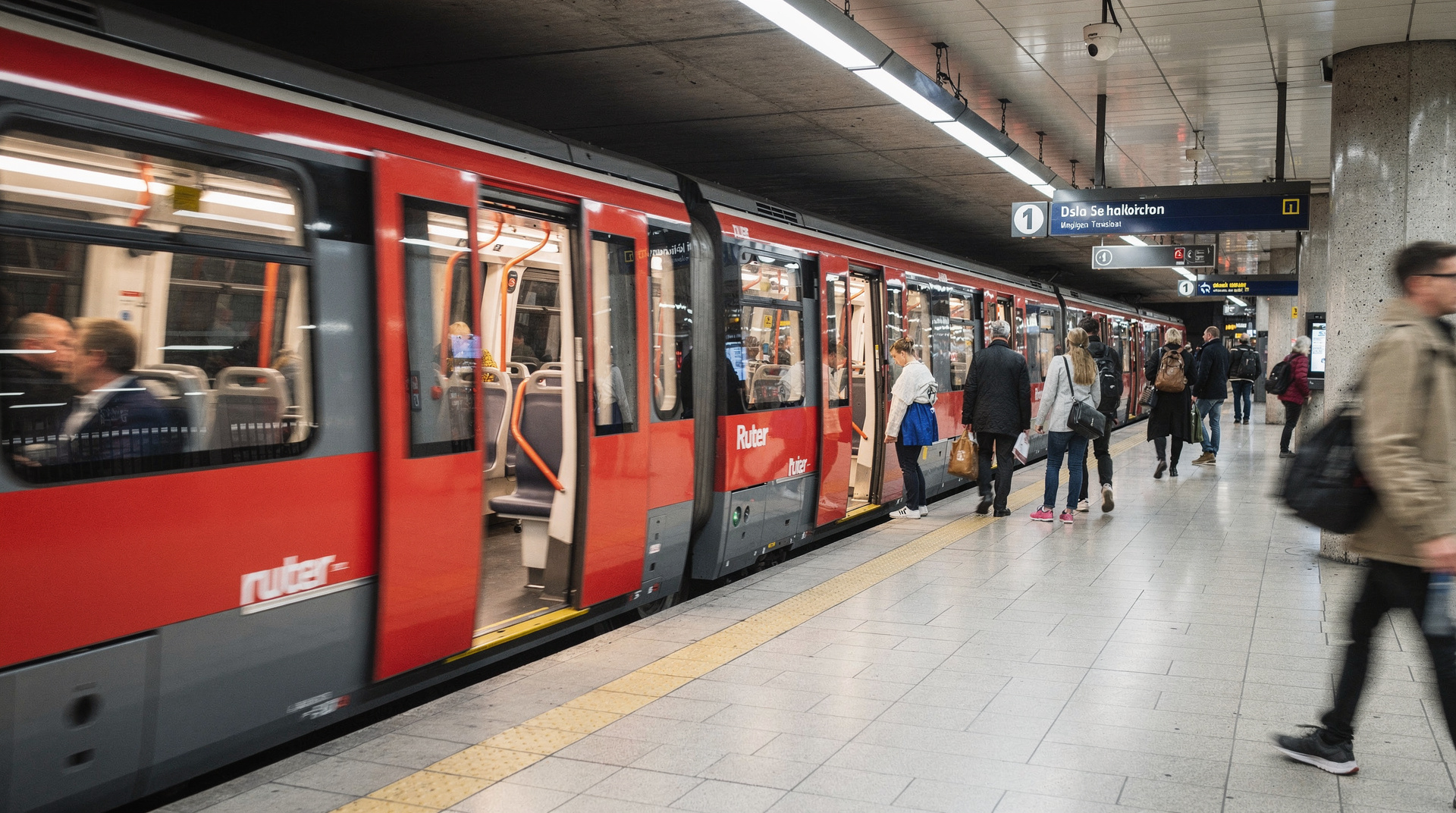
Oslo’s fundamental character suits solo travel well. It is compact, orderly, English-language-friendly, and almost entirely cashless — which means you never need to navigate confusing change or unfamiliar notes. The public transport network is a solo traveller’s ideal: well-signed, punctual, and easy to use via the Ruter app.
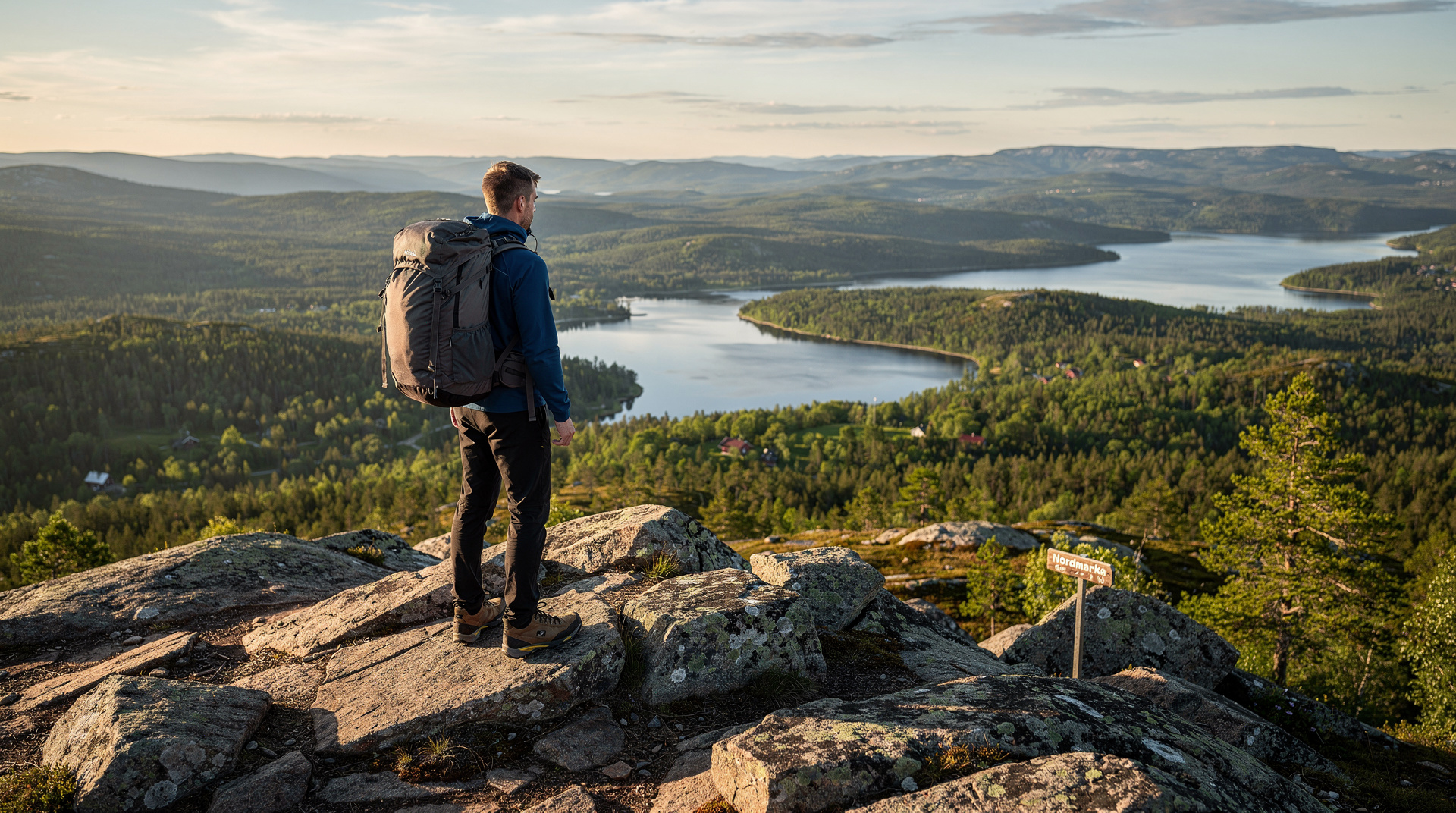
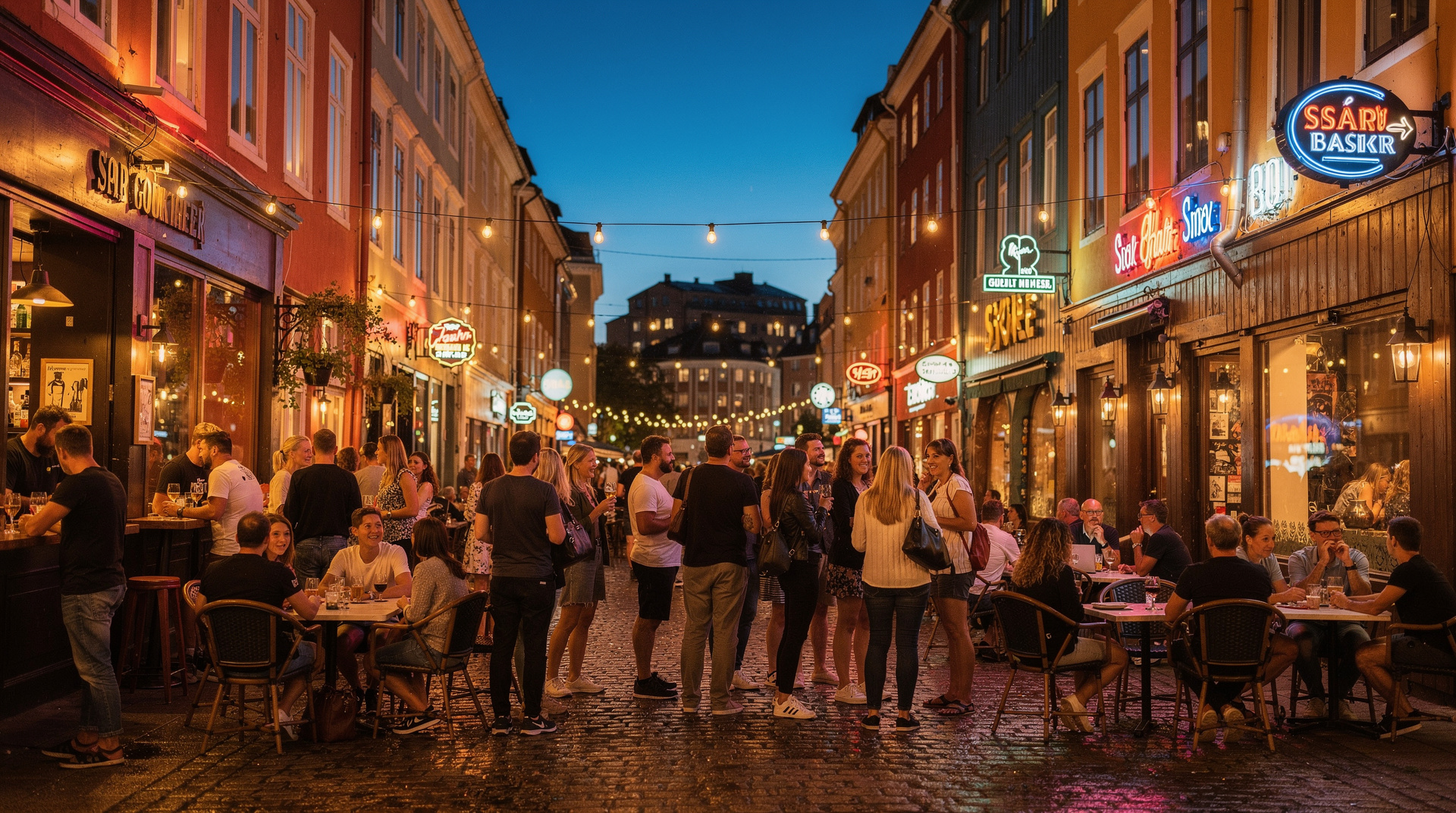
The city also has a strong outdoor culture. Solo hikers on Nordmarka trails, solo cyclists along the harbour, and solo visitors at the floating saunas are entirely normal sights. Unlike some European capitals where you stand out as a lone traveller, Oslo has a culture of comfortable solitude in public spaces.
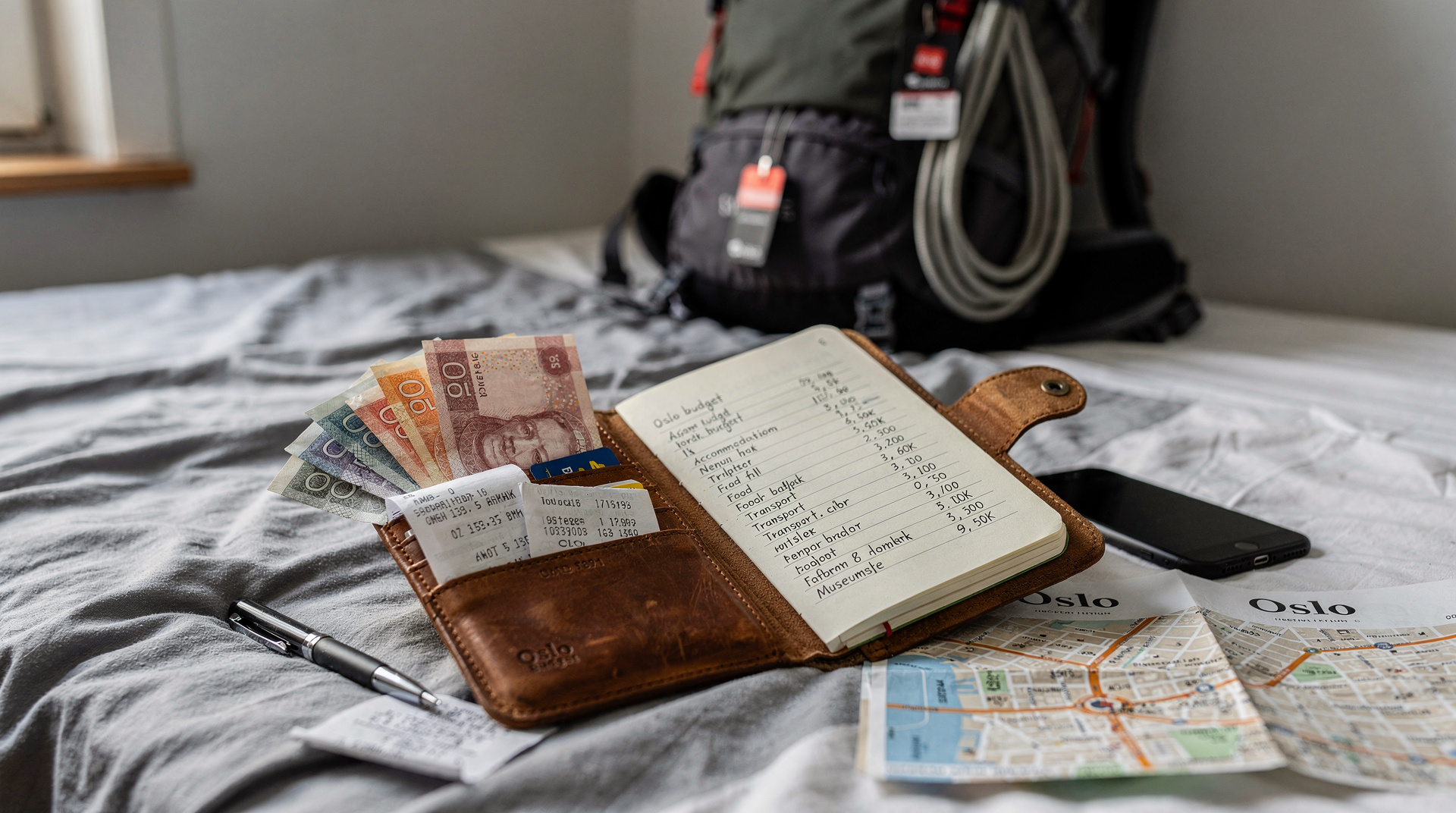
The practical challenge for solo travel in Oslo is economic: it’s an expensive city and the single supplement is real. A hotel room designed for two costs almost as much for one person. This guide addresses both the logistics and the cost strategies.
| Safety | One of Europe’s safest capitals; low-risk day or night |
| Daily budget | NOK 750–3 000 / USD 81–323 depending on style |
| Best base | Grünerløkka (social, hostels) or Sentrum (central, walkable) |
| Language | English near-universal; no Norwegian required |
| Getting around | Ruter app + T-bane/tram; no car needed |
Safety overview
Oslo is one of the safest European capitals by crime statistics. The Global Peace Index consistently ranks Norway in the top five globally. For travellers, this translates into practical confidence: walking alone at midnight in the city centre is genuinely low-risk by any European standard.
Low-concern areas: Most of central Oslo, Grünerløkka, Bygdøy, Frogner, Aker Brygge, Tjuvholmen, and the T-bane network.
Areas requiring normal urban awareness: Grønland (Oslo’s most multicultural neighbourhood) is perfectly safe by day but has more boisterous activity late at night. Akerselva riverside parks are popular during the day and at dusk, but the darker stretches after 22:00 are best walked with company. Oslo S (Central Station) has pickpockets in summer — keep your phone and wallet in a front pocket or zipped bag.
General Oslo safety norms:
- Almost no street harassment
- Very low knife crime compared to other European capitals of similar size
- Police presence in tourist areas during summer evenings
- 24-hour tram and night bus service means you’re never stranded
For solo female travellers specifically: Scandinavia’s strong gender equality norms are visible in public spaces. The floating saunas operate a mixed-gender public session model where clothing-optional bathing is normal and conduct is self-policed to a high standard. Oslo has a welcoming, non-threatening public culture.
Managing solo travel costs
The biggest financial disadvantage of solo travel in Oslo is the hotel single supplement. A double room that costs NOK 1 400 / USD 150 for two people costs NOK 1 100–1 300 / USD 118–140 for one — effectively a 60–80% per-person premium over a shared room.
The hostel solution: Oslo has several decent hostels that genuinely solve the single supplement issue.
- Anker Hostel (Grünerløkka): From NOK 340 / USD 37 per night in a dorm bed. The in-house bar Blå (which doubles as one of Oslo’s better jazz and indie venues) is a bonus for social travellers.
- Oslo Vandrerhjem Haraldsheim: NOK 300–380 / USD 32–41 per dorm bed. Clean, well-run, slightly east of centre (25 minutes on bus 30 from Nationaltheatret).
- Budget private rooms in hostels: NOK 850–1 100 / USD 91–118. Worth considering if you value privacy but want hostel pricing.
Aparthotels and guesthouses are often better value than standard hotels for solo travellers. Citybox (with properties near Oslo S) charges NOK 700–1 000 / USD 75–108 per room regardless of occupancy.
Solo accommodation options compared:
| Option | Price/night (solo) | Best for |
|---|---|---|
| Hostel dorm bed | NOK 300–380 / USD 32–41 | Budget + meeting people |
| Hostel private room | NOK 850–1 100 / USD 91–118 | Privacy without hotel prices |
| Aparthotel (Citybox-type) | NOK 700–1 000 / USD 75–108 | No single-supplement penalty |
| Mid-range hotel | NOK 1 100–1 600 / USD 118–172 | Comfort, central location |
| Boutique/upper hotel | NOK 1 800+ / USD 194+ | Full-supplement, higher standard |
Total realistic solo budget per day:
- Hostel dorm + supermarket eating + public transport: NOK 750–950 / USD 81–102
- Budget hotel + mixed eating: NOK 1 500–2 000 / USD 161–215
- Mid-range hotel + restaurants: NOK 2 200–3 000 / USD 237–323
Eating alone in Oslo
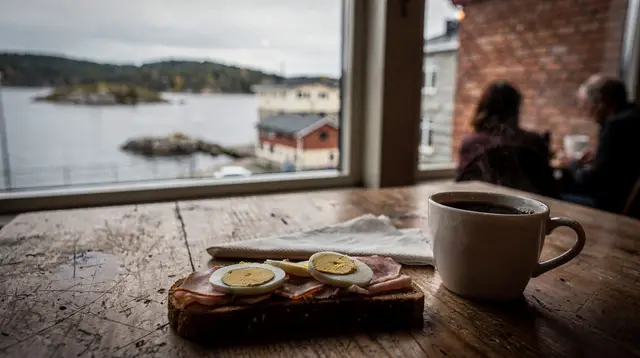
Eating alone is entirely normal in Norway. Oslo’s café culture does not stigmatise solo dining — many Norwegian workers eat lunch alone with a book or phone. You will not be seated at a bad table or given worse service.
Best solo dining formats:
- Mathallen food hall (Grünerløkka): Counters and shared tables, easy for solo eating, excellent range from NOK 120–220 / USD 13–24 per meal.
- Market stalls at Grønland Torg: Quick, cheap, genuinely multicultural — Lebanese, Vietnamese, Pakistani, and Ethiopian options from NOK 90–150 / USD 10–16.
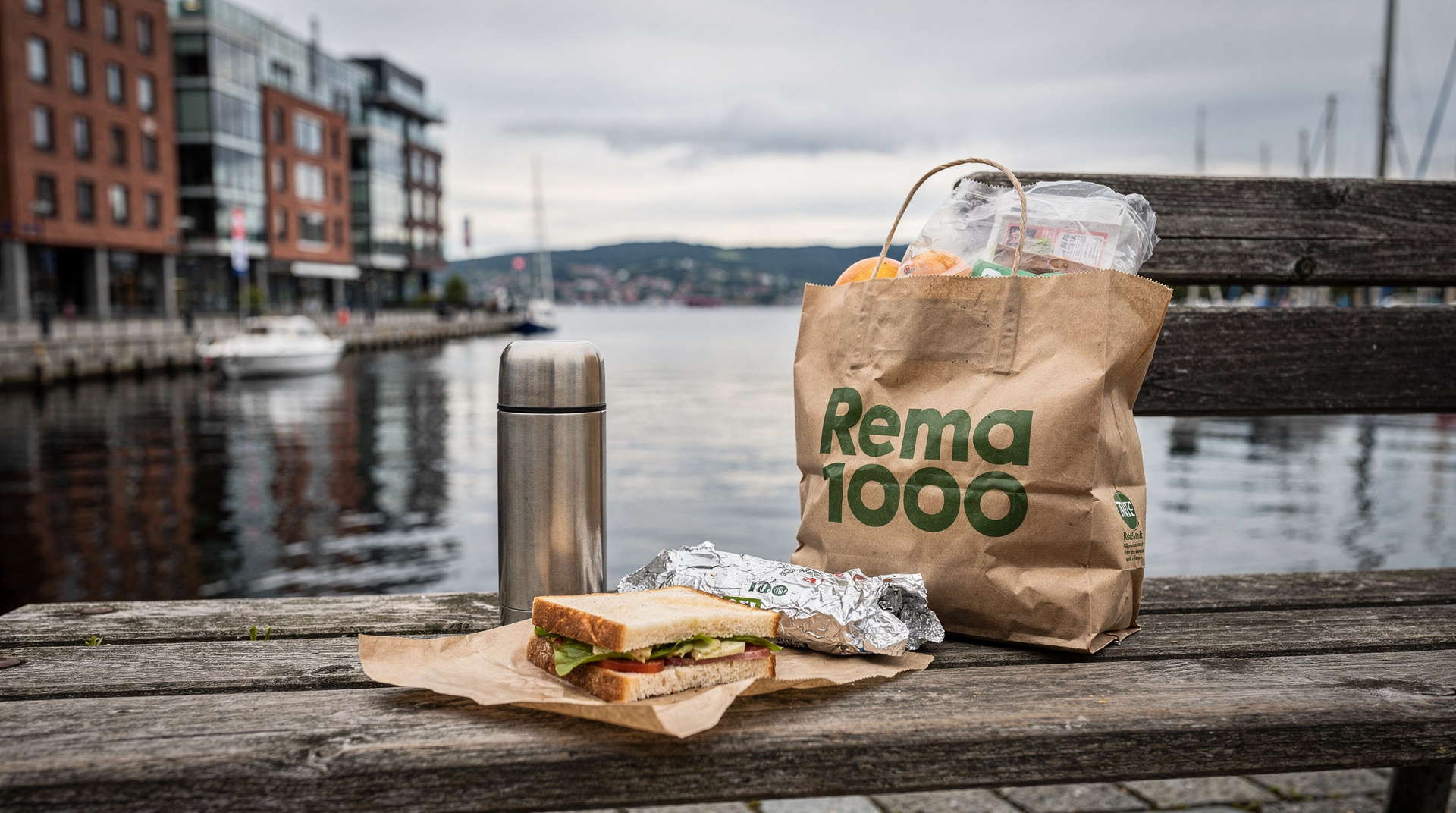
- Supermarket hot counters: Several Meny supermarkets have ready-to-eat hot counters. Genuinely good quality for NOK 80–120 / USD 9–13.
- Kebab shops on Thorvald Meyers gate (Grünerløkka): Famous among Oslo locals for late-night eating; a full meal from NOK 100–130 / USD 11–14.
Read the cheap eats guide for a full list.
Meeting people
Oslo’s culture of outdoor activity is your best tool for organic social connection.
Walking tours: Freetour Oslo and similar tip-based walking tour operators run free English-language tours daily from the Stortinget steps. These are natural meeting points for solo travellers.
Hiking in Nordmarka: Trails on summer weekends are lively. The path from Frognerseteren down to Sognsvann lake passes groups of Norwegians on day walks. Friendly conversation around lake benches is normal. See the Nordmarka guide for routes.
Grünerløkka café culture: Bring a book to Fuglen on Universitetsgata (original location; excellent vintage furniture and coffee from NOK 45 / USD 5) or Tim Wendelboe on Grünersbakken. These are social spaces where people make occasional eye contact.
The floating saunas: Oslo’s public floating saunas at Tjuvholmen operate on a mixed-gender, public session basis. A 1-hour session costs roughly NOK 250 / USD 27. Sauna culture in Norway is social; it’s normal to share a bench with strangers and chat. This is one of the genuinely unique Oslo experiences that works especially well for solo travellers.
Oslo’s English-language community: Meetup.com has active Oslo groups for hiking, language exchange, and social activities. If you’re staying more than a week, these fill social gaps quickly.
Solo activities that work especially well
- Nordmarka day hike: A full day in the forest is a solo traveller’s ideal — no coordination needed, beautiful trails, and you set the pace.
- Bicycle tour: The Oslo Bysykkel city bike (NOK 49 / USD 5.30 for 24 hours) lets you ride the Havnepromenaden, Aker Brygge, Bygdøy, and Frogner at your own speed.
- Museum day at your own pace: Norsk Folkemuseum especially rewards slow exploration. Allow 3–4 hours to wander the 160 buildings and stave church without anyone waiting.
- Island hop on the Oslofjord: Take the ferry from Vippetangen to Hovedøya and Gressholmen. Pack food. Swim if it’s warm. These islands are popular solo destinations for Norwegians too.
- Guided bike tour: A group Oslo highlights bike tour is a good way to cover the city’s main sights with a guide and other travellers without the commitment of a long walking tour.
Practical logistics
Language: English works everywhere. Menus, apps, signs, and staff are consistently English-friendly. You don’t need Norwegian, though a few words of appreciation (takk = thank you; hei = hello) are always received warmly.
Cashless: Norway is essentially cashless. Card and contactless payment is accepted at every café, museum, supermarket, transport system, and even most market stalls. You do not need to carry local cash, but having a card with no foreign transaction fees (Wise, Revolut, or similar) saves 1–3% on every transaction.
Phone and data: Most EU/UK plans work in Norway under roaming agreements. US plans vary — check before you travel. Norwegian SIM cards (Telenor, Telia, Ice) are available at the airport and 7-Eleven stores from around NOK 200 / USD 22 for a month of data.
Solo transport tip: The Ruter app is an excellent solo travel companion. Its journey planner (in English) handles every trip within Oslo from tram connections to island ferry timings. Download and set up before arrival.
For day-by-day planning, see the Oslo budget weekend itinerary or the active outdoors itinerary — both work well solo.
A realistic 3-day solo rhythm
Solo travel benefits from a loose but real structure — enough plan to avoid decision fatigue, enough flexibility to follow what interests you. A workable default for a first Oslo visit:
- Day 1 — orientation: Free walking tour from Stortinget in the morning, lunch at Mathallen, afternoon at the Munch Museum or National Museum, evening at Blå or a Grünerløkka bar.
- Day 2 — outdoors: T-bane to Frognerseteren, hike down through Nordmarka to Sognsvann lake, swim if the season allows, dinner back in the centre.
- Day 3 — water and wellness: Morning at Vigeland Park (quiet before 09:00), afternoon floating sauna session at Tjuvholmen, evening ferry to one of the fjord islands if daylight allows.
This rhythm alternates museum time, outdoor time, and social/wellness time — deliberately, since solo trips that are all one type of activity tend to feel flatter by day three. See the Oslo in 3 days itinerary for a fuller version of this structure.
Honest solo experiences by category
Museums solo
Oslo’s museums are among the best in Europe for solo visitors — they’re designed for self-guided exploration, the audio guides are excellent, and spending 3 hours in the Norsk Folkemuseum at your own pace is far more satisfying than trying to coordinate with a group.
The Munch Museum has a particularly good solo experience: the permanent collection is arranged thematically (anxiety, death, love, melancholy) and works best when you move between sections at will. The building itself — 13 floors with harbour views from the café — rewards wandering.
For museum strategy, see the Oslo museum rankings which orders them by solo visitor value.
The Oslo sauna scene solo
Oslo’s floating saunas at Tjuvholmen are one of the city’s most distinctive experiences, and they work particularly well for solo travellers. The public sauna sessions (NOK 230–280 / USD 25–30 for an hour at one of the floating sauna operators) are mixed-gender and conducted in the Nordic tradition of mixed, clothing-optional bathing. You sit on a bench with strangers, sweat, jump in the fjord, and repeat. Conversation happens naturally.
This is not an experience that translates well to many other cities, and the social dynamic is more comfortable solo than it might sound. The key is understanding the etiquette — enter the sauna, pour water on the hot stones if needed, don’t hog the prime bench, jump in the fjord at your own pace.
Day trips solo
Solo day trips from Oslo are well-suited to independent travellers:
- Drøbak (bus from Oslo, 90 minutes): A quiet fjord town with no particular tourist infrastructure. Wander the harbour, eat shrimp at a local café, take the bus back. See the Drøbak day trip guide.
- Fredrikstad (train, 1.5 hours): Old Town of wooden painted houses, largely car-free. Extremely pleasant for a solo day walk.
- Nordmarka forest: Best solo hiking destination in the Oslo area. T-bane line 1 to Frognerseteren, then choose your own trail. You’ll see plenty of other walkers and runners but need no company.
Nightlife solo
Oslo’s nightlife is not the city’s strongest suit in general, but several venues are comfortable for solo visitors:
- Blå (Grünerløkka): Jazz, indie, and live music venue attached to Anker Hostel. Regular concerts; shows NOK 0–250 / USD 0–27 depending on the act. A natural space to go alone.
- Kulturhuset (city centre, Youngstorget): Multi-floor arts venue with a bar that fills with a mixed local and international crowd. Good for solo drinks.
- Grünerløkka pub scene: Several small bars on Thorvald Meyers gate and Markveien have the feel of local spots rather than tourist bars. Bar Boca, Mir, and Café Amsterdam are regulars.
Beer prices remain NOK 100–130 / USD 11–14 at all these places. Pre-loading from Vinmonopolet before going out remains the most financially sensible strategy.
Entry requirements for solo travellers
Norway is in the Schengen Area. Citizens of the US, UK, Canada, Australia, and EU countries can enter visa-free for up to 90 days within any 180-day period.
ETIAS: Expected in late 2026, this will be a mandatory online pre-registration (approximately EUR 7 / USD 8, valid 3 years) for visa-exempt visitors to Schengen countries. Monitor official sources before travel.
Health: Norway has a very good healthcare system. EU citizens can use the European Health Insurance Card (EHIC) for emergency treatment. Non-EU travellers should carry comprehensive travel insurance — medical costs in Norway without insurance can be significant.
Emergency number: 112 (police and ambulance across Norway). Oslo police (non-emergency): 02800.
Planning resources for solo travellers
For building a realistic solo itinerary:
- The Oslo trip cost guide shows solo budgets explicitly alongside per-couple costs.
- The is Oslo expensive guide sets realistic expectations before you book.
- The 3-day Oslo itinerary and budget weekend itinerary both work for solo pacing.
- The Oslo budget calculator lets you input your specific plans and get a cost estimate.
Frequently asked questions about Solo travel in Oslo
Is Oslo safe for solo female travellers?
Very much so. Oslo consistently ranks among Europe's safest cities for women travelling alone. The main precaution is standard urban awareness — avoid dark, empty streets after 02:00 on weekends near Grønland and Akerselva riverside. The centre and tourist areas are safe at all hours.How much does solo travel in Oslo cost per day?
On a hostel-and-self-catering budget: NOK 900–1 100 / USD 97–118 per day. Mid-range hotel with some restaurants: NOK 1 800–2 400 / USD 195–258 per day. The single supplement at hotels adds roughly 30–50% to the per-person cost of double rooms.What are the best hostels for solo travellers in Oslo?
Anker Hostel in Grünerløkka has a social bar and is well-located. Oslo Vandrerhjem Haraldsheim is clean and well-organised on the east side. For summer-only, Oslo Vandrerhjem Lyngholmen on an island in the Oslofjord is a unique experience, though it requires a ferry.Are there good ways to meet people in Oslo?
Yes. Walking tours (the free-tip model like Freetour Oslo), the city's hiking culture (Nordmarka trails on weekends are social), and Grünerløkka's café scene make it easy to meet people. Oslo has a reputation for being slightly reserved but not unfriendly — persistence and initiative work.Is it easy to navigate Oslo alone without speaking Norwegian?
Very easy. English proficiency in Norway is among the highest in the world — essentially all Norwegians under 70 speak English fluently. Signs, menus, apps, and public announcements are all available in English.
Top experiences
Bookable activities with verified prices and instant confirmation on GetYourGuide.